

-
SOLUTIONSIn recent years, “Hegerls" HD shuttle storage system have improved, upgraded, more intelligent, flexible, and more systematic, which can meet the different needs of customers in various industries.
 SERVICE
 -
-
R & DObtained more than ten national patents for automated logistics warehousing equipment such as shuttle cars, stackers, and mobile shelves, awarded SGS, BV, and TUV international product quality inspection agency certificates, as well as the "Quality, Environment, Health" ISO three major system certification certificates.
SERVICE
-
PROJECTSAfter Haigelis entered the international market in 2011, it exported supermarket equipment, warehousing equipment, and related supporting products to countries and regions such as North America, South America, Europe, Southeast Asia, and Africa. In recent years, the company has increased its efforts in the research and development of automated warehousing equipment.
SERVICE
-
BlogProfessional articles, guides, and insights on warehouse racking and automated storage systems.
SERVICE
-
HEGERLSIt's developed over 20 years, our company has become a one-stop integrated service provider of warehousing and logistics, integrating warehousing and logistics project design...
SERVICE

APPLICATION
What Is Smart Warehouse Technology? Complete 2026 Guide to Automation Systems
Classification:
Industry Info
Release time:
2026-04-10
What Is Smart Warehouse Technology?
Smart warehouse technology is a comprehensive system that combines automation, robotics, AI, IoT, and advanced warehouse software to create a highly efficient, data-driven warehouse environment.
Unlike traditional warehousing, which relies heavily on manual labor and static processes, smart warehouse technology enables dynamic decision-making and real-time optimization across all operations—from inbound receiving to outbound shipping.
Smart warehouse technology refers to the use of automation systems, robotics, artificial intelligence, and real-time data analytics to optimize warehouse operations, improve efficiency, and reduce labor costs.
Core Features
- Real-time visibility: Every SKU, movement, and operation is tracked instantly
- Automation-driven execution: Robots and systems replace manual processes
- Data-based decision making: AI analyzes trends and optimizes workflows
- Scalable architecture: Easily expand as business grows
According to industry reports:
- Over 65% of large warehouses are expected to adopt smart technologies by 2027
- Companies using smart warehouse automation reduce operational costs by up to 30%

How Does a Smart Warehouse System Work?
A smart warehouse system functions as an interconnected ecosystem where software and hardware communicate seamlessly to automate and optimize workflows.
1. Data Acquisition Layer
This layer collects real-time data through:
- Barcode scanners
- RFID systems
- IoT sensors
- Vision systems
👉 Example: When a pallet enters the warehouse, it is instantly identified and logged into the system.
2. System Intelligence Layer
This is the “brain” of the warehouse:
- WMS manages inventory and orders
- WCS coordinates equipment
- AI algorithms optimize storage locations and picking paths
👉 Example: The system automatically assigns the best storage location based on SKU turnover rate.
3. Execution Layer
Automation equipment performs tasks:
- Shuttle systems transport goods
- Robots pick and sort items
- Conveyors move inventory
👉 Result: Human intervention is minimized, and operations become faster and more accurate.
4. Feedback & Optimization Loop
- Performance data is continuously analyzed
- Bottlenecks are identified automatically
- System adjusts workflows in real time
📊 Smart warehouses can improve operational efficiency by 25–50% through continuous optimization.
What Technologies Power Smart Warehouse Automation?
Modern warehouse technology is built on multiple integrated systems working together.
1. Warehouse Management System (WMS)
The WMS acts as the central platform:
- Inventory tracking
- Order management
- Reporting and analytics
👉 Advanced WMS features:
- AI-based slotting
- Demand forecasting
- Multi-warehouse coordination

2. Warehouse Control System (WCS)
The WCS bridges software and hardware:
- Controls automation equipment
- Executes real-time tasks
- Optimizes workflows
👉 Without WCS, automation equipment cannot operate efficiently.
3. Robotics and Automation Equipment
Includes:
- Autonomous Mobile Robots (AMRs)
- Automated Guided Vehicles (AGVs)
- Robotic picking arms
📊 Robots can reduce picking time by up to 70%
4. Automated Storage and Retrieval Systems (AS/RS)
- High-density storage
- Automated retrieval
- Space utilization increased by up to 80%
5. Internet of Things (IoT)
- Real-time monitoring
- Equipment health tracking
- Predictive maintenance
6. Artificial Intelligence (AI)
AI enables:
- Demand forecasting
- Inventory optimization
- Route planning
👉 AI-driven warehouses reduce errors by up to 90%
What Are the Benefits of Smart Warehouse Technology?
1. Significant Efficiency Improvement
Automation eliminates manual bottlenecks:
- Faster picking
- Faster sorting
- Faster shipping
📊 Throughput increases by 30–50%
2. Labor Cost Reduction
Labor is one of the biggest warehouse expenses.
Smart warehouse automation can:
- Reduce workforce dependency
- Reassign labor to higher-value tasks
📊 Labor costs reduced by 20–40%
3. Improved Accuracy
Manual errors are drastically reduced:
- Inventory accuracy reaches 99.9%
- Order errors minimized
4. Real-Time Visibility
Managers gain full control:
- Live dashboards
- Inventory tracking
- Performance analytics

5. Scalability and Flexibility
- Modular systems allow expansion
- Easily adapt to peak seasons
6. Enhanced Safety
Automation reduces:
- Workplace injuries
- Human error risks
Smart Warehouse Technology vs Traditional Warehousing
| Feature | Smart Warehouse | Traditional Warehouse |
|---|---|---|
| Efficiency | High | Medium |
| Labor Dependency | Low | High |
| Accuracy | 99%+ | 90–95% |
| Scalability | High | Limited |
| Visibility | Real-time | Delayed |
What Industries Use Smart Warehouse Solutions?
E-commerce
- High SKU diversity
- Fast delivery expectations
👉 Smart warehouses enable same-day shipping
Third-Party Logistics (3PL)
- Multi-client complexity
- High throughput requirements
Manufacturing
- Integration with production lines
- Just-in-time inventory
Retail
- Omnichannel fulfillment
- Inventory synchronization
Cold Chain Logistics
- Temperature-sensitive goods
- Requires precision and reliability
👉 Automation ensures compliance and reduces risk

How to Implement a Smart Warehouse System Step by Step?
Step 1: Operational Assessment
Analyze:
- Warehouse size
- SKU characteristics
- Order volume
Step 2: Goal Definition
Define KPIs:
- Throughput
- Accuracy
- Cost reduction
Step 3: Solution Design
Choose the right smart warehouse solution:
- Shuttle system
- AS/RS
- Robotics
Step 4: System Integration
Ensure seamless integration between:
- WMS
- WCS
- ERP
Step 5: Deployment & Testing
- Pilot testing
- Staff training
- System calibration
Step 6: Continuous Optimization
Use analytics to:
- Improve efficiency
- Reduce downtime
- Optimize workflows
What Is the ROI of Smart Warehouse Automation?
ROI depends on multiple factors:
Key Cost Factors
- Equipment investment
- Software integration
- Maintenance
Key Returns
- Labor savings
- Efficiency gains
- Error reduction
ROI Example
- Investment: $1M
- Annual savings: $400K
- ROI period: 2.5 years
Hidden ROI Benefits
- Customer satisfaction increase
- Faster delivery times
- Competitive advantage
Real-World Example of Smart Warehouse Technology
A logistics company implemented a smart warehouse system with shuttle technology and robotics:
Before Implementation
- Manual picking
- Low efficiency
- High labor cost
After Implementation
- 40% faster order fulfillment
- 35% labor cost reduction
- 99.8% accuracy
Key Takeaway
Automation not only improves efficiency but also enhances scalability and long-term competitiveness.

What Are the Latest Trends in Smart Warehouse Technology?
1. AI-Powered Decision Making
Warehouses are becoming “self-optimizing systems.”
2. Fully Automated Warehouses
- Lights-out operations
- Minimal human involvement
3. Robotics Expansion
Robots now handle:
- Picking
- Sorting
- Packing
4. Digital Twin Technology
- Virtual warehouse simulation
- Predictive optimization
5. Green Warehousing
- Energy-efficient systems
- Reduced carbon footprint
6. Robotics-as-a-Service (RaaS)
- Lower upfront cost
- Subscription-based model
7. 5G-Enabled Warehouses
- Faster communication
- Real-time control

How to Choose the Right Smart Warehouse Solution?
Key Considerations
- Business size
- SKU complexity
- Budget
- Growth plans
Vendor Evaluation
Choose providers with:
- Proven experience
- Customization ability
- Strong after-sales support
Common Mistakes to Avoid
- Over-automation
- Poor integration
- Ignoring scalability
FAQ: Smart Warehouse Technology
1. What is the difference between WMS and WCS?
WMS manages inventory and orders, while WCS controls and executes automation equipment tasks.
2. What is a smart warehouse solution?
It is an integrated system combining automation, robotics, and software to optimize warehouse operations.
3. What technologies are used in smart warehouses?
Technologies include WMS, robotics, IoT, AI, and AS/RS systems.
4. How much does smart warehouse automation cost?
Costs range from $50,000 to several million dollars depending on system complexity.
5. Is warehouse automation worth it?
Yes, most companies achieve ROI within 1–3 years through efficiency gains and cost savings.
6. What industries benefit most?
E-commerce, manufacturing, retail, and logistics.
Build Your Smart Warehouse Today
Looking to implement a smart warehouse system?
HEGERLS offers:
- Smart warehouse automation solutions
- Shuttle systems and AS/RS
- Customized warehouse design
📩 Contact us today for a free consultation and start your automation journey!

Key words:
smart warehouse technology,smart warehouse automation,smart warehouse system,smart warehouse solution,warehouse technology
Related Solutions
Related Cases
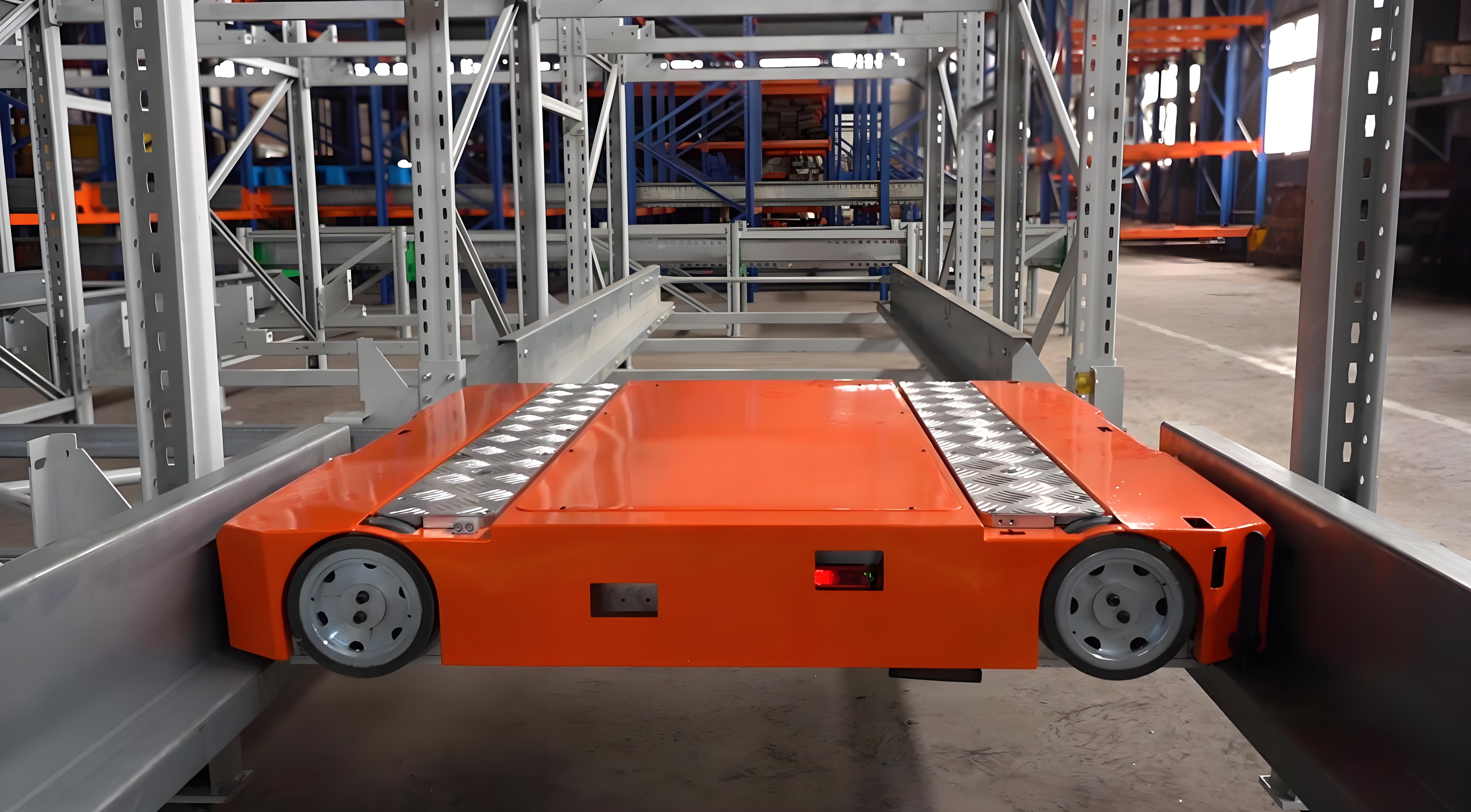

Integrated Warehouse Rack Project in Morocco | Rack Supported Warehouse
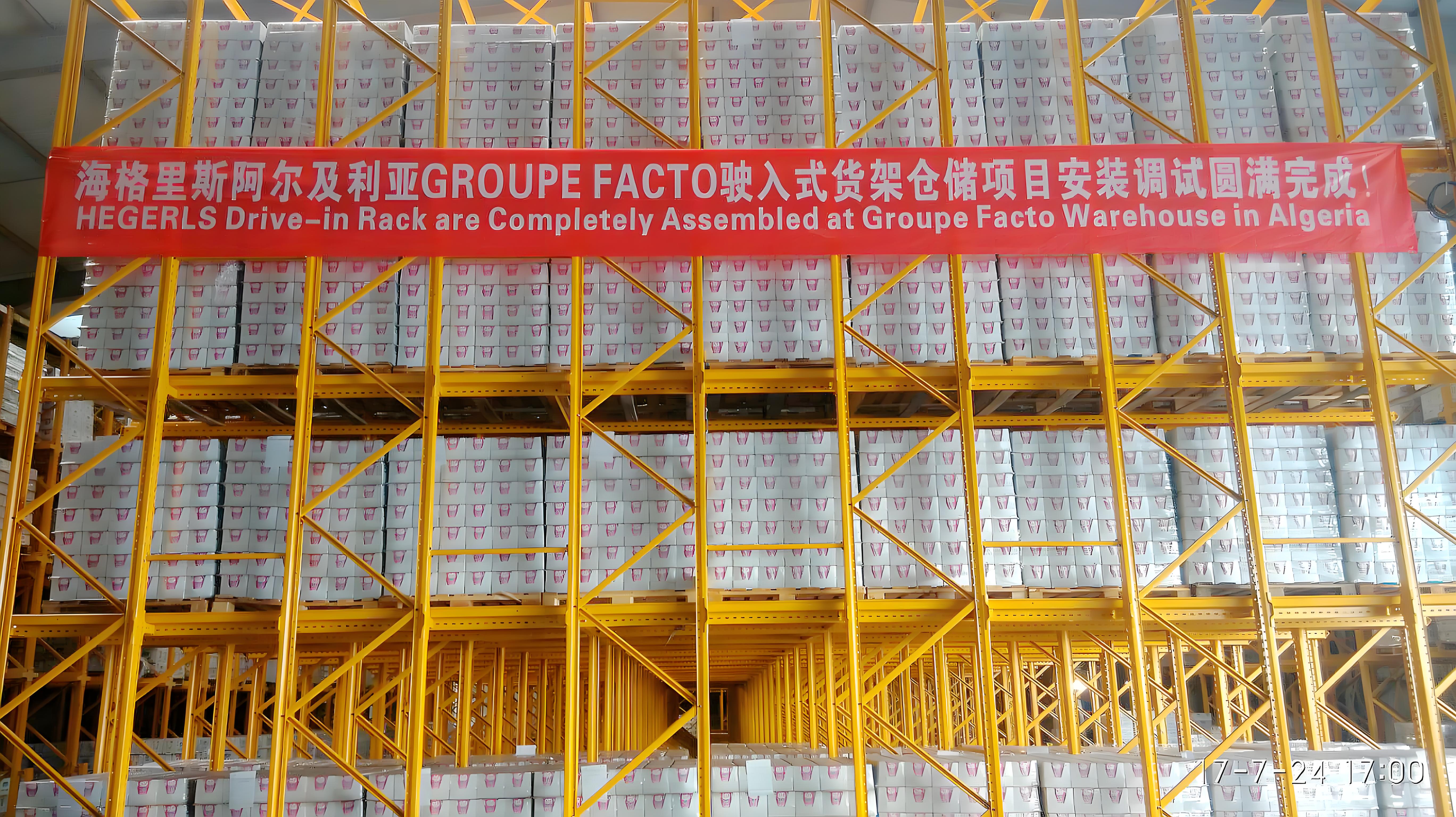
Algeria FACTO Group Storage Project
Related Products

MOBILE: +86 133 1595 3337
E-mails: hgls-wm@hbgysw.com
Office: Room 1118, Building No.6, Tatan Mall, Tatong Street, Shijiazhuang, China
Production base: 68 Shidai Road,Xinhe Industrial Park,Hebei Province
Website: https://www.woke-hercules.com



All rights reserved©2025 Hebei Woke Metal Products Co., ltd.