

-
SOLUTIONSIn recent years, “Hegerls" HD shuttle storage system have improved, upgraded, more intelligent, flexible, and more systematic, which can meet the different needs of customers in various industries.
 SERVICE
 -
-
R & DObtained more than ten national patents for automated logistics warehousing equipment such as shuttle cars, stackers, and mobile shelves, awarded SGS, BV, and TUV international product quality inspection agency certificates, as well as the "Quality, Environment, Health" ISO three major system certification certificates.
SERVICE
-
PROJECTSAfter Haigelis entered the international market in 2011, it exported supermarket equipment, warehousing equipment, and related supporting products to countries and regions such as North America, South America, Europe, Southeast Asia, and Africa. In recent years, the company has increased its efforts in the research and development of automated warehousing equipment.
SERVICE
-
BlogProfessional articles, guides, and insights on warehouse racking and automated storage systems.
SERVICE
-
HEGERLSIt's developed over 20 years, our company has become a one-stop integrated service provider of warehousing and logistics, integrating warehousing and logistics project design...
SERVICE

APPLICATION
AI Warehouse Management: How Artificial Intelligence Is Transforming Modern Warehousing
Classification:
FAQ
Release time:
2026-03-11
Artificial intelligence is rapidly reshaping the logistics and warehousing industry. As global supply chains become more complex and customer expectations continue to rise, companies are increasingly adopting AI warehouse management systems to improve operational efficiency, reduce errors, and optimize inventory control.
According to McKinsey & Company, warehouse automation technologies—including AI in warehouse automation—can increase operational productivity by 20–40% while reducing logistics costs by up to 30%. This growing demand for intelligent systems is accelerating the adoption of AI warehousing solutions worldwide.
This article explores how AI warehouse management, warehouse AI software, and artificial intelligence warehouse management software are transforming modern warehouse operations.
What Is AI Warehouse Management?
AI warehouse management refers to the use of artificial intelligence technologies—such as machine learning, computer vision, predictive analytics, and robotics—to optimize warehouse operations.
Unlike traditional warehouse management systems (WMS), automated warehouse management AI software can analyze massive amounts of operational data and continuously improve decision-making processes.
Core capabilities include:
- AI-powered inventory optimization
- Intelligent warehouse slotting
- Automated picking and sorting
- Predictive demand forecasting
- Smart warehouse robotics coordination
By combining AI software with automated warehouse systems, companies can create highly adaptive and efficient logistics environments.

Why Is AI in Warehouse Automation Becoming Essential?
The global logistics industry is under increasing pressure due to e-commerce growth and labor shortages.
According to Statista, the global warehouse automation market is expected to exceed $41 billion by 2027.
AI technologies are becoming essential because they help address several critical challenges:
Key Warehouse Challenges
| Challenge | Impact on Operations |
|---|---|
| Labor shortages | Slower fulfillment operations |
| Inventory inaccuracies | Higher operational costs |
| Inefficient storage layout | Wasted warehouse space |
| Slow order processing | Reduced customer satisfaction |
By integrating warehouse AI systems, companies can automate decision-making and optimize workflows in real time.
How AI Warehousing Improves Warehouse Operations
AI warehousing introduces intelligence into nearly every warehouse function, from receiving to shipping.
1. AI-Based Inventory Management
One of the most valuable applications of artificial intelligence warehouse management software is inventory optimization.
AI algorithms analyze:
- historical demand
- seasonal trends
- supply chain disruptions
- order frequency
This allows the system to predict inventory requirements more accurately.
Benefits include:
- Reduced stockouts
- Lower inventory holding costs
- Improved supply chain planning

2. Intelligent Warehouse Layout Optimization
Warehouse AI can analyze movement patterns within a warehouse and recommend the most efficient product placement.
Using AI-based warehouse slotting optimization, frequently picked items can be placed closer to picking stations.
This results in:
- shorter travel distances
- faster picking times
- improved operational productivity
3. AI-Powered Robotics and Automation
Many modern automated warehouses integrate AI-controlled robotic systems to improve material handling efficiency.
Examples include:
- robotic picking systems
- automated guided vehicles (AGVs)
- autonomous mobile robots (AMRs)
- robotic palletizing systems
These technologies represent the next generation of AI in warehouse automation, enabling faster and more reliable operations.
4. Predictive Maintenance for Warehouse Equipment
AI-powered analytics can monitor equipment performance and predict failures before they occur.
Using sensors and machine learning algorithms, warehouse AI systems can detect anomalies in equipment performance.
This reduces:
- unexpected downtime
- maintenance costs
- operational disruptions
AI Warehouse Management vs Traditional Warehouse Management
The difference between traditional warehouse management systems and AI-driven systems is significant.
| Feature | Traditional WMS | AI Warehouse Management |
|---|---|---|
| Data Processing | Manual analysis | Real-time AI analytics |
| Inventory Forecasting | Historical data | Predictive AI models |
| Order Optimization | Limited | Dynamic optimization |
| Equipment Coordination | Manual scheduling | AI automated control |
| Operational Efficiency | Moderate | High |
AI-powered systems create self-learning warehouses capable of adapting to changing operational conditions.
Real-World Applications of AI Warehouse Management
AI warehouse management systems are already being used across many industries.
Key industries adopting AI warehousing:
- E-commerce fulfillment centers
- Manufacturing warehouses
- Pharmaceutical logistics
- Retail distribution centers
- Third-party logistics (3PL)
For example, large logistics companies use automated warehouse management AI software combined with robotics to process thousands of orders per hour.

How AI Works with Automated Warehouse Systems
AI technologies often work together with advanced automation equipment such as:
- four-way shuttle systems
- AS/RS systems
- robotic picking stations
- automated conveyor systems
When integrated with warehouse AI software, these technologies create highly efficient automated warehouses.
Example AI Warehouse Workflow
- AI analyzes incoming order data.
- Warehouse AI determines optimal picking routes.
- Automated robots retrieve goods.
- AI optimizes packing and shipping operations.
This intelligent coordination significantly improves warehouse throughput.
Key Benefits of AI Warehouse Management
Companies implementing AI warehousing solutions can achieve significant operational advantages.
Major Benefits
| Benefit | Impact |
|---|---|
| Increased efficiency | Faster order processing |
| Higher inventory accuracy | Reduced errors |
| Lower labor costs | Reduced manual operations |
| Improved space utilization | Higher storage density |
| Data-driven decision making | Better supply chain planning |
According to Deloitte, warehouses that implement AI-driven automation can improve operational efficiency by up to 35%.
Future Trends in AI Warehousing
The future of AI warehouse management will be driven by several emerging technologies.
Key trends include:
1. Autonomous Warehouse Operations
AI will allow warehouses to operate with minimal human intervention.
2. Digital Twin Warehouses
Virtual warehouse simulations will enable real-time optimization.
3. AI + Robotics Integration
Next-generation robotic systems will be fully AI-controlled.
4. AI-Powered Demand Forecasting
AI will predict demand changes across entire supply chains.
These innovations will continue to redefine modern warehouse management.

Why Businesses Are Investing in Warehouse AI
As global logistics networks become increasingly complex, businesses must adopt smarter technologies to remain competitive.
AI warehouse management allows companies to:
- improve operational efficiency
- reduce logistics costs
- increase order fulfillment speed
- adapt to changing market demand
For many organizations, AI in warehouse automation is no longer a future concept—it is becoming a critical component of modern supply chain strategy.
Conclusion
AI is revolutionizing warehouse management by introducing intelligence, automation, and predictive capabilities into logistics operations.
From inventory optimization to robotic coordination, AI warehouse management systems enable businesses to build faster, smarter, and more efficient warehouses.
As technologies such as warehouse AI software, robotics, and machine learning continue to evolve, the future of AI warehousing will play an increasingly important role in global supply chain innovation.
FAQ
What is AI warehouse management?
AI warehouse management refers to the use of artificial intelligence technologies to automate and optimize warehouse operations, including inventory management, order processing, and logistics planning.
How does AI improve warehouse efficiency?
AI improves efficiency by analyzing operational data, optimizing inventory placement, coordinating automated equipment, and predicting demand patterns.
What industries use AI warehousing?
Industries such as e-commerce, manufacturing, retail, pharmaceuticals, and logistics companies widely use AI-powered warehouse management systems.
Is AI used in warehouse automation?
Yes. AI is commonly integrated with warehouse automation technologies such as robotics, AS/RS systems, and automated sorting equipment.
Ready to Upgrade Your Warehouse with AI?
Modern supply chains demand faster, smarter, and more scalable warehouse operations.
With the help of AI warehouse management and intelligent warehouse automation, businesses can dramatically improve storage efficiency, order accuracy, and operational productivity.
HEGERLS provides complete AI-powered warehouse solutions, including:
- AI warehouse management systems
- Automated warehouse management AI software
- Four-way shuttle storage systems
- AS/RS automated storage and retrieval systems
- Intelligent robotic picking solutions
- Integrated WMS + WCS warehouse control platforms
Our engineering team designs customized warehouse automation solutions for manufacturing, logistics, e-commerce, and distribution centers worldwide.
What You Can Achieve with HEGERLS AI Warehouse Solutions
| Improvement Area | Expected Impact |
|---|---|
| Storage Capacity | Increase warehouse capacity by up to 300% |
| Order Processing Speed | Improve picking efficiency by 2–4× |
| Inventory Accuracy | Achieve 99.9% inventory accuracy |
| Labor Cost | Reduce manual labor by 40–70% |
| Warehouse Visibility | Real-time monitoring with AI warehouse analytics |
Talk to an Automation Expert
Whether you're planning a new automated warehouse or upgrading an existing facility with AI warehousing technology, HEGERLS can help you design the optimal solution.
Our specialists will help you:
✔ Evaluate your warehouse automation potential
✔ Design a high-density storage system
✔ Integrate AI warehouse management software
✔ Improve operational efficiency and ROI
Get Your Free Warehouse Automation Plan
📩 Contact HEGERLS today to receive:
- A free warehouse automation consultation
- A customized AI warehouse design proposal
- Estimated ROI and efficiency improvements
Key words:
ai warehouse management,ai in warehouse automation,ai warehousing,artificial intelligence warehouse management software,warehouse ai
Related Solutions
Related Cases
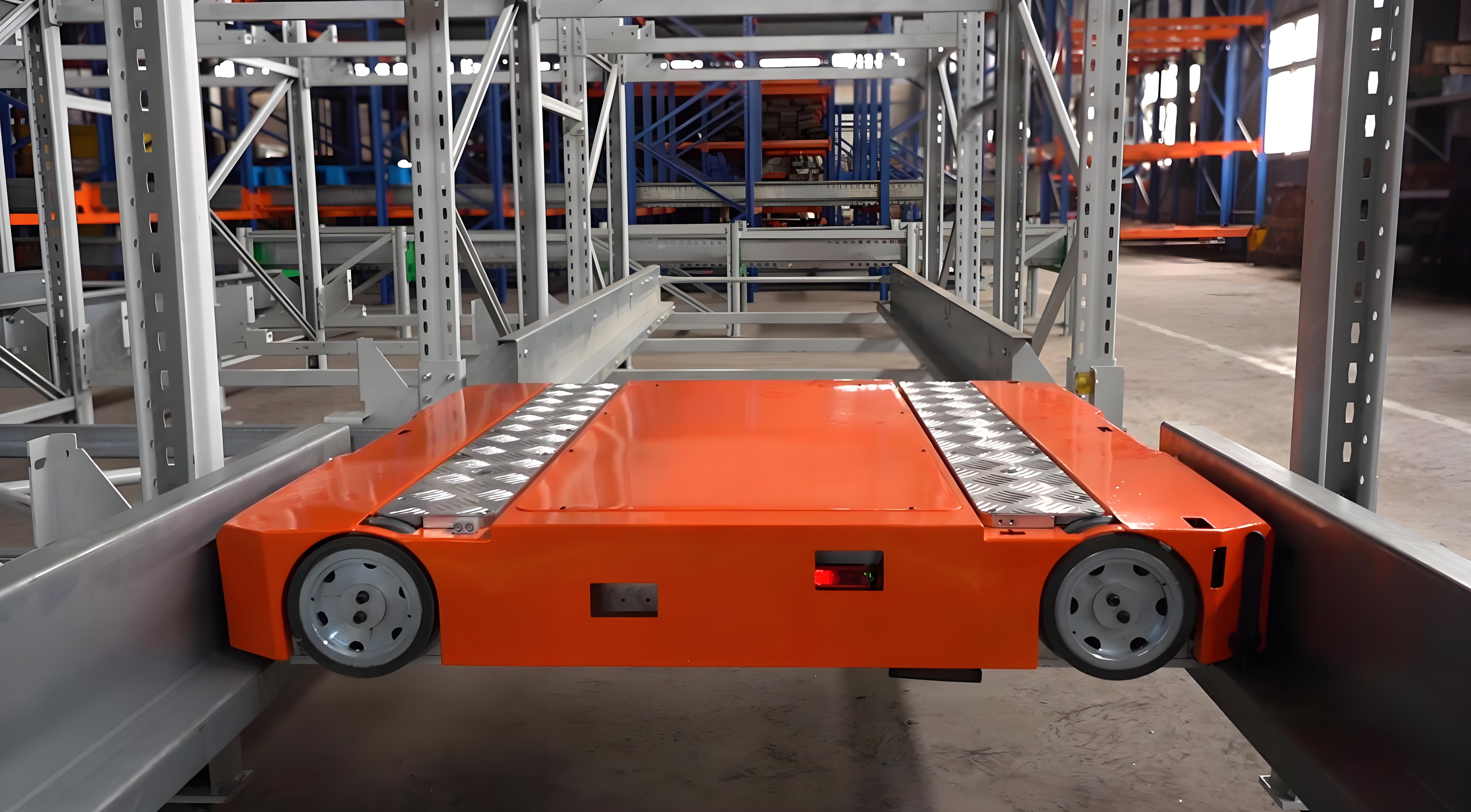

Integrated Warehouse Rack Project in Morocco | Rack Supported Warehouse
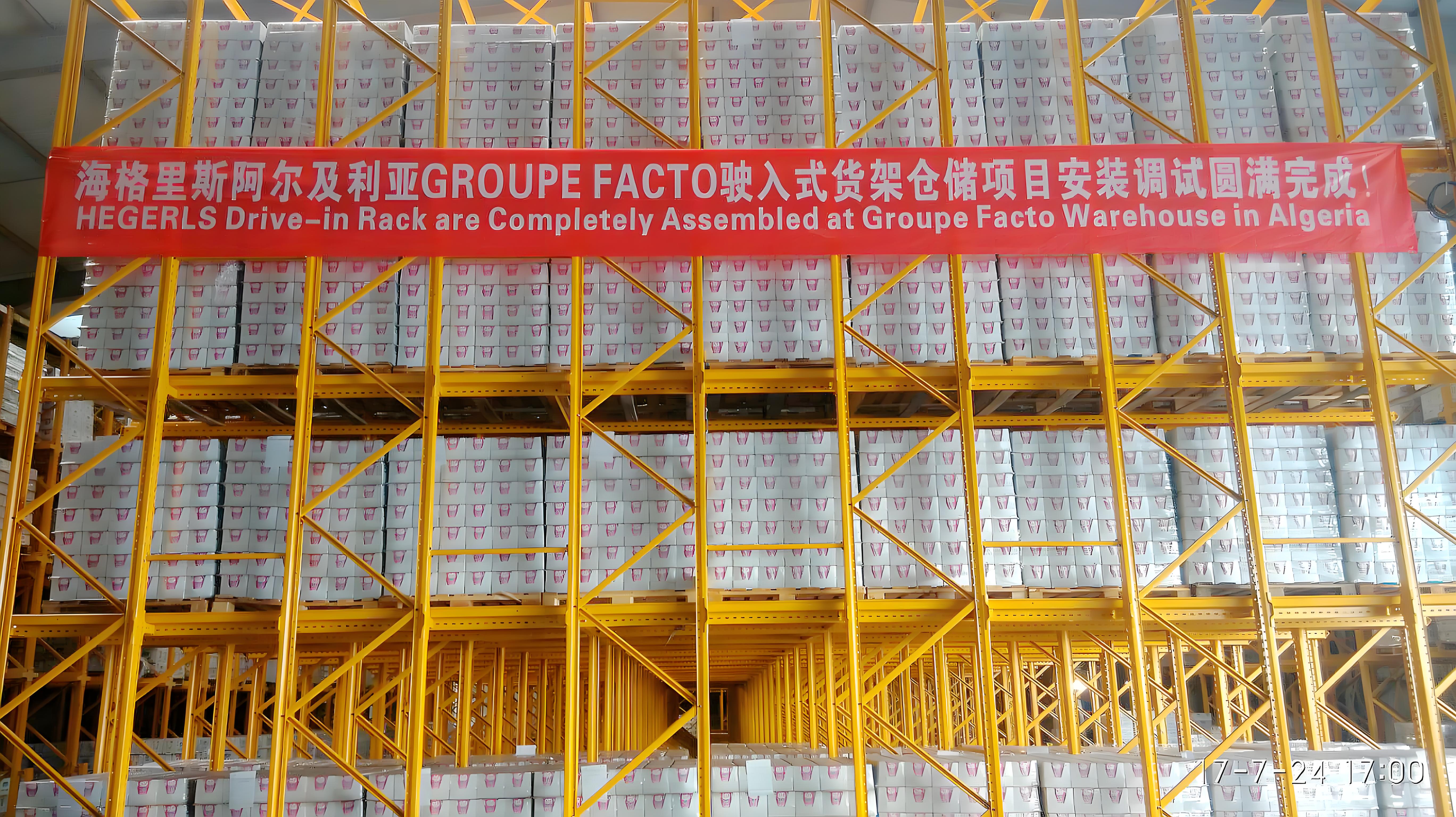
Algeria FACTO Group Storage Project
Related Products

MOBILE: +86 133 1595 3337
E-mails: hgls-wm@hbgysw.com
Office: Room 1118, Building No.6, Tatan Mall, Tatong Street, Shijiazhuang, China
Production base: 68 Shidai Road,Xinhe Industrial Park,Hebei Province
Website: https://www.woke-hercules.com



All rights reserved©2025 Hebei Woke Metal Products Co., ltd.