

-
SOLUTIONSIn recent years, “Hegerls" HD shuttle storage system have improved, upgraded, more intelligent, flexible, and more systematic, which can meet the different needs of customers in various industries.
 SERVICE
 -
-
R & DObtained more than ten national patents for automated logistics warehousing equipment such as shuttle cars, stackers, and mobile shelves, awarded SGS, BV, and TUV international product quality inspection agency certificates, as well as the "Quality, Environment, Health" ISO three major system certification certificates.
SERVICE
-
PROJECTSAfter Haigelis entered the international market in 2011, it exported supermarket equipment, warehousing equipment, and related supporting products to countries and regions such as North America, South America, Europe, Southeast Asia, and Africa. In recent years, the company has increased its efforts in the research and development of automated warehousing equipment.
SERVICE
-
BlogProfessional articles, guides, and insights on warehouse racking and automated storage systems.
SERVICE
-
HEGERLSIt's developed over 20 years, our company has become a one-stop integrated service provider of warehousing and logistics, integrating warehousing and logistics project design...
SERVICE

APPLICATION
AGV Material Handling Equipment: The Ultimate Guide to Automated Logistics Solutions
Classification:
Industry Info
Release time:
2026-03-30
In modern logistics and manufacturing, efficiency, accuracy, and cost control are more critical than ever. Businesses are increasingly adopting AGV material handling equipment to automate internal transportation and improve operational performance.
AGV systems are a core component of warehouse automation technology and industrial automation systems, enabling seamless movement of goods with minimal human intervention.
This guide provides a comprehensive overview of AGV material handling equipment, including types, benefits, costs, applications, and how to choose the right system.

What Is AGV Material Handling Equipment?
AGV (Automated Guided Vehicle) material handling equipment refers to driverless vehicles used to transport materials within warehouses, factories, and logistics centers.
These vehicles follow predefined paths using:
- magnetic strips
- laser guidance
- QR codes
- navigation software
Key Functions
- pallet transport
- raw material movement
- finished goods handling
- line-side delivery
How Do AGV Systems Work in Logistics?
AGV System Logistics Workflow
- Warehouse Management System (WMS) sends task
- AGV receives instructions via control system
- AGV navigates using sensors and guidance system
- Materials are transported automatically
- System updates inventory in real time
Core Components of an AGV System
| Component | Function |
|---|---|
| AGV vehicle | Material transport |
| Navigation system | Route guidance |
| Control system (WCS) | Task scheduling |
| Sensors | Obstacle detection |
| Charging system | Power supply |
Types of AGV Material Handling Equipment
1. Tow AGVs
- pull carts or trailers
- ideal for bulk material handling
2. Unit Load AGVs
- carry pallets or containers
- common in warehouse logistics
3. Forklift AGVs
- automated forklifts
- handle pallet stacking

4. Heavy Load AGVs
- designed for bulk material handling
- used in manufacturing industries
5. Hybrid AGV/AMR Systems
- combine fixed guidance + flexible navigation
- advanced autonomous vehicle solutions
AGV vs AMR: What’s the Difference?
| Feature | AGV | AMR |
|---|---|---|
| Navigation | Fixed path | Dynamic path |
| Flexibility | Low–Medium | High |
| Cost | Lower | Higher |
| Deployment | Structured environments | Dynamic environments |
👉 AGVs are ideal for predictable, repetitive workflows, while AMRs suit flexible operations.
Key Benefits of AGV Material Handling Equipment
1. Increased Efficiency
AGVs operate continuously without fatigue.
👉 Productivity improvement: 20–40%
2. Reduced Labor Costs
- fewer operators required
- minimized manual transport
👉 Labor cost reduction: 30–50%
3. Improved Safety
- collision avoidance sensors
- controlled movement
4. High Accuracy
- precise navigation
- reduced handling errors
5. Scalability
- easy to add vehicles
- adaptable to growing operations
AGV System Logistics Applications
1. Warehouse Automation
- pallet transport
- order fulfillment support
2. Manufacturing
- raw material supply
- production line delivery
3. Bulk Material Handling
AGVs are widely used in:
- steel industry
- automotive manufacturing
- heavy equipment transport
4. E-commerce Logistics
- order picking support
- goods movement
AGV in Bulk Material Handling
Why AGVs Are Ideal for Bulk Handling
- high load capacity
- consistent performance
- reduced human intervention
Use Cases
| Industry | Application |
|---|---|
| Steel | Coil transport |
| Automotive | Parts delivery |
| Construction | Heavy material handling |
Cost of AGV Material Handling Equipment
Investment Overview
| System Type | Cost Range |
|---|---|
| Basic AGV | $50K – $150K per unit |
| Advanced AGV | $150K – $500K |
| Full AGV system | $500K – $5M+ |
Cost Factors
- number of vehicles
- navigation technology
- software integration
- facility layout
ROI of AGV Systems
Key ROI Drivers
- labor savings
- improved efficiency
- reduced damage
ROI Metrics
| Factor | Improvement |
|---|---|
| Labor cost | -30–50% |
| Efficiency | +20–40% |
| Errors | -70% |
👉 Typical ROI timeline: 1.5–3 years
How to Choose the Right AGV Material Handling Equipment
Step 1: Define Application
- warehouse logistics
- manufacturing
- bulk material handling
Step 2: Analyze Load Requirements
- weight
- size
- transport frequency
Step 3: Evaluate Layout
- fixed routes vs dynamic
- obstacles
- traffic flow
Step 4: Choose Navigation Technology
| Type | Use Case |
|---|---|
| Magnetic | simple layouts |
| Laser | high precision |
| Vision-based | flexible environments |
Step 5: Consider Integration
Ensure compatibility with:
- WMS
- WCS
- ERP
Future Trends in AGV Systems
As automation technologies continue to evolve, AGV material handling equipment is rapidly transforming into smarter, more flexible, and highly integrated systems. The future of AGV system logistics will be shaped by artificial intelligence, robotics, and digital connectivity.
Understanding these trends is essential for businesses planning long-term investments in autonomous vehicle solutions.
1. AI-Driven Autonomous Navigation
Traditional AGVs rely on fixed paths, but next-generation systems are integrating AI-powered navigation.
Key Improvements:
- real-time path optimization
- dynamic obstacle avoidance
- adaptive routing
👉 Result: 20–40% efficiency improvement
2. Convergence of AGV and AMR Technologies
The line between AGVs and AMRs is rapidly blurring.
Hybrid Systems Will:
- combine fixed-path reliability with dynamic navigation
- adapt to both structured and unstructured environments
👉 This trend creates more flexible autonomous vehicle solutions
3. Integration with Warehouse Robotics
AGVs will increasingly work alongside:
- robotic picking arms
- shuttle systems
- goods-to-person systems

Benefits:
- end-to-end automation
- reduced manual intervention
- faster material flow
4. Digital Twin and Simulation Technology
Digital twin technology allows companies to simulate AGV systems before implementation.
Applications:
- layout optimization
- traffic flow simulation
- performance prediction
👉 Result: reduced risk and improved ROI
5. IoT and Real-Time Data Connectivity
Future AGV systems will be fully connected through IoT.
Capabilities:
- real-time tracking
- system health monitoring
- predictive maintenance
👉 Enables smart logistics automation
6. High-Capacity AGVs for Bulk Material Handling
Demand for bulk material handling automation is driving the development of:
- heavy-load AGVs (10–100+ tons)
- specialized industrial transport vehicles
Industries Benefiting:
- steel
- automotive
- heavy manufacturing
7. Energy Efficiency and Smart Charging
Modern AGVs are becoming more energy-efficient.
Innovations:
- lithium-ion batteries
- fast charging systems
- automatic charging stations
- energy-saving modes
👉 Energy consumption reduction: 10–30%
8. Cloud-Based Fleet Management
AGV systems will increasingly use cloud platforms.
Advantages:
- centralized control
- remote monitoring
- scalability across multiple warehouses
9. Autonomous Decision-Making Systems
Future AGVs will not just execute tasks—they will make decisions.
Examples:
- selecting optimal routes
- prioritizing urgent deliveries
- balancing workloads
10. Fully Autonomous Smart Factories and Warehouses
The long-term vision is a fully automated ecosystem where:
- AGVs handle transport
- robots handle picking
- AI manages operations
👉 Result: lights-out operations (minimal human involvement)
Trend Summary Table
| Trend | Impact |
|---|---|
| AI navigation | Higher efficiency |
| AGV + AMR hybrid | Greater flexibility |
| Robotics integration | Full automation |
| Digital twin | Reduced risk |
| IoT connectivity | Real-time visibility |
| Heavy-load AGVs | Industrial expansion |
Key Takeaway
The future of AGV material handling equipment is:
👉 intelligent, flexible, connected, and fully autonomous
Businesses investing today should prioritize future-ready AGV systems to stay competitive.
Common Mistakes to Avoid
❌ choosing wrong navigation system
❌ underestimating traffic complexity
❌ ignoring scalability
Conclusion
AGV material handling equipment is a critical component of modern logistics and industrial automation.
It offers:
- improved efficiency
- reduced costs
- enhanced safety
- scalable operations
Businesses that adopt AGV systems gain a competitive advantage in both warehouse logistics and manufacturing environments.
FAQ: AGV Material Handling Equipment
1. What is AGV material handling equipment used for?
AGV material handling equipment is used to transport materials automatically within warehouses, factories, and logistics centers, reducing manual labor and improving efficiency.
2. How does an AGV system improve logistics efficiency?
AGV systems improve logistics by:
- reducing transport time
- minimizing human error
- optimizing material flow
- enabling 24/7 operations
3. What industries use AGV systems?
AGVs are widely used in:
- manufacturing
- warehousing
- automotive
- e-commerce
- heavy industries
4. Are AGV systems suitable for bulk material handling?
Yes, AGVs are ideal for bulk material handling automation, especially in industries that require transporting heavy loads such as steel, automotive parts, and construction materials.
5. How safe are AGV systems?
AGVs are equipped with:
- sensors
- collision avoidance systems
- emergency stop functions
👉 making them safer than manual transport methods.
6. Can AGV systems integrate with warehouse automation systems?
Yes, AGVs can integrate with:
7. What are autonomous vehicle solutions in logistics?
Autonomous vehicle solutions refer to systems like AGVs and AMRs that transport goods automatically without human drivers.
8. How scalable are AGV systems?
AGV systems are highly scalable:
- additional vehicles can be added
- routes can be expanded
- software can be upgraded
9. What are the limitations of AGV systems?
- limited flexibility (compared to AMRs)
- requires predefined paths
- initial setup complexity
10. How long does it take to implement an AGV system?
| System Size | Implementation Time |
|---|---|
| Small | 1–2 months |
| Medium | 2–4 months |
| Large | 4–8 months |
11. What navigation technologies do AGVs use?
Common navigation types include:
- magnetic guidance
- laser navigation
- vision-based navigation
- QR code navigation
12. How do AGVs support smart warehouses?
AGVs enable:
- automated material flow
- real-time tracking
- integration with AI systems
Automate Your Material Handling with AGV Solutions
Looking to improve efficiency and reduce labor costs?
HEGERLS provides:
- AGV system logistics solutions
- autonomous vehicle systems
- warehouse automation integration
Get Your Free AGV Solution Plan
📩 Contact us for:
- customized system design
- cost estimation
- ROI analysis
Key words:
agv material handling equipment,agv system logistics,automated guided vehicle system,autonomous vehicle solutions,material handling automation
Related Solutions
Related Cases
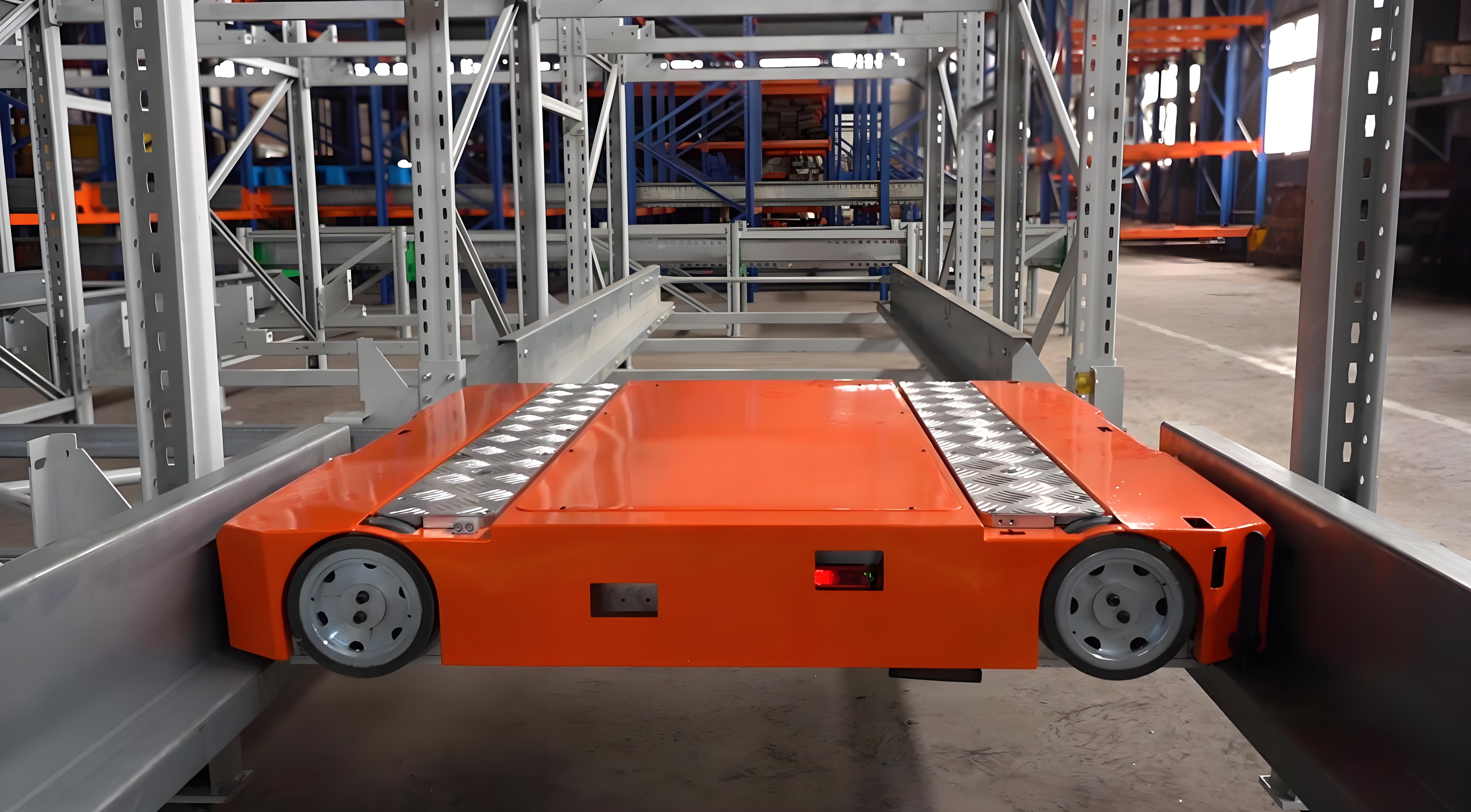

Integrated Warehouse Rack Project in Morocco | Rack Supported Warehouse
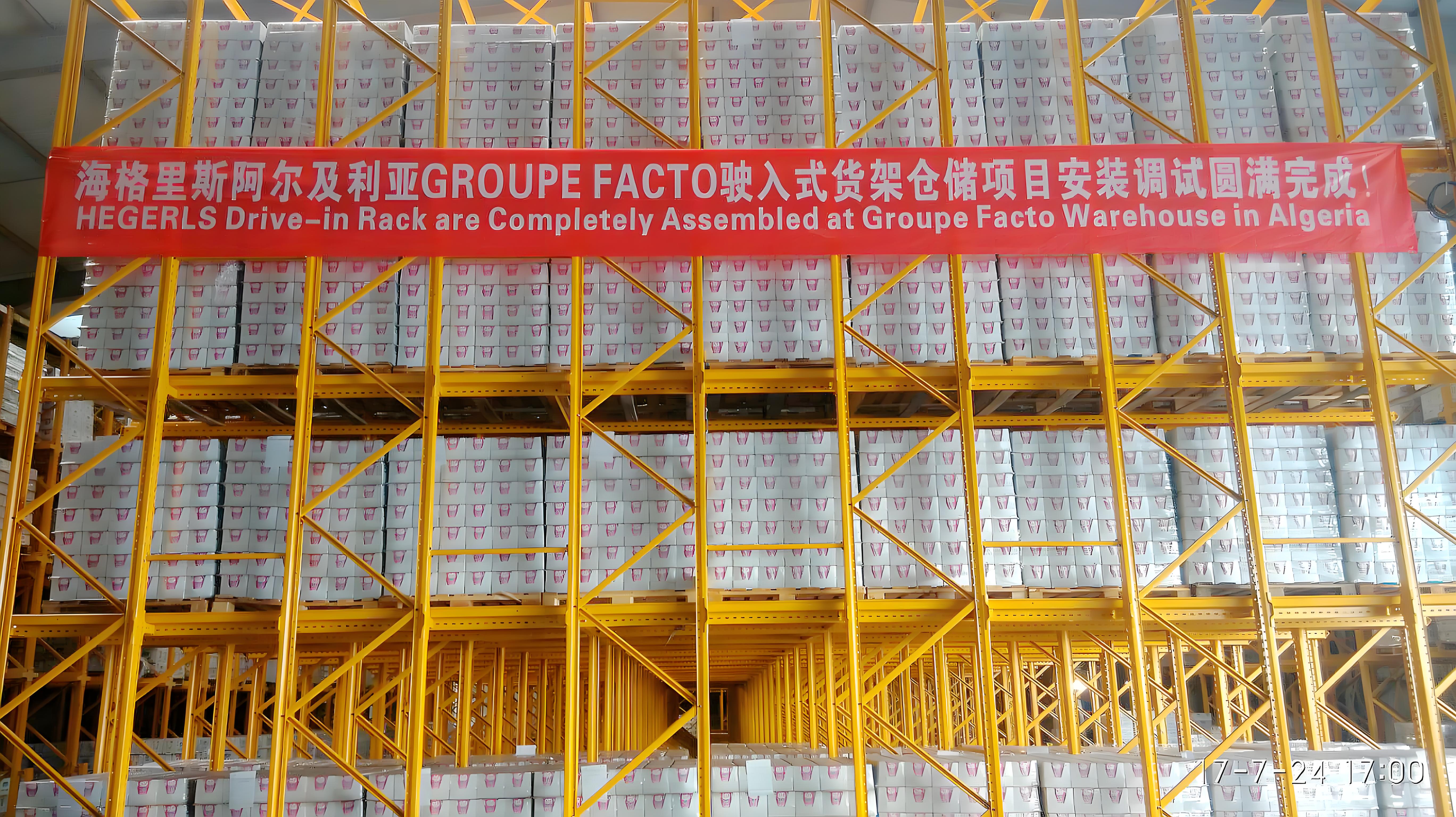
Algeria FACTO Group Storage Project
Related Products

MOBILE: +86 133 1595 3337
E-mails: hgls-wm@hbgysw.com
Office: Room 1118, Building No.6, Tatan Mall, Tatong Street, Shijiazhuang, China
Production base: 68 Shidai Road,Xinhe Industrial Park,Hebei Province
Website: https://www.woke-hercules.com



All rights reserved©2025 Hebei Woke Metal Products Co., ltd.