

-
SOLUTIONSIn recent years, “Hegerls" HD shuttle storage system have improved, upgraded, more intelligent, flexible, and more systematic, which can meet the different needs of customers in various industries.
 SERVICE
 -
-
R & DObtained more than ten national patents for automated logistics warehousing equipment such as shuttle cars, stackers, and mobile shelves, awarded SGS, BV, and TUV international product quality inspection agency certificates, as well as the "Quality, Environment, Health" ISO three major system certification certificates.
SERVICE
-
PROJECTSAfter Haigelis entered the international market in 2011, it exported supermarket equipment, warehousing equipment, and related supporting products to countries and regions such as North America, South America, Europe, Southeast Asia, and Africa. In recent years, the company has increased its efforts in the research and development of automated warehousing equipment.
SERVICE
-
BlogProfessional articles, guides, and insights on warehouse racking and automated storage systems.
SERVICE
-
HEGERLSIt's developed over 20 years, our company has become a one-stop integrated service provider of warehousing and logistics, integrating warehousing and logistics project design...
SERVICE

APPLICATION
Automated Warehouse vs Traditional Warehouse: Which Storage System Is Better?
Classification:
FAQ
Release time:
2026-03-05
As global supply chains become increasingly complex, warehouses are under pressure to process larger volumes of goods with greater efficiency and accuracy. Companies must now decide whether to continue operating traditional warehouses or invest in automated warehouse systems.
Traditional warehouses rely heavily on manual labor and forklifts, while automated warehouses use advanced technologies such as robotics, automated storage systems, and intelligent software to manage inventory and material handling processes.
According to MarketsandMarkets, the global warehouse automation market was valued at approximately USD 26.5 billion in 2024 and is expected to exceed USD 70 billion by 2032, with a compound annual growth rate of over 15%. This growth reflects a major shift in logistics infrastructure worldwide.
What Is a Traditional Warehouse?
A traditional warehouse is a storage facility where most logistics operations are handled manually. Workers use forklifts and pallet trucks to move goods, manage inventory, and prepare orders.
Common storage systems include:
- Selective pallet racking
- Drive-in racking
- Cantilever racking
- Mezzanine platforms
Characteristics of Traditional Warehouses
| Feature | Description |
|---|---|
| Labor dependency | High reliance on manual workers |
| Equipment used | Forklifts and pallet trucks |
| Storage density | Medium |
| Inventory accuracy | 95–97% |
| Operational hours | Limited by labor shifts |
Traditional warehouses offer lower initial investment but may face challenges with rising labor costs and limited operational efficiency.
What Is an Automated Warehouse?
An automated warehouse is a modern storage facility that uses robotics, automated storage systems, and intelligent software to manage inventory and logistics with minimal human intervention.
Technologies typically used include:
- Automated Storage and Retrieval Systems (AS/RS)
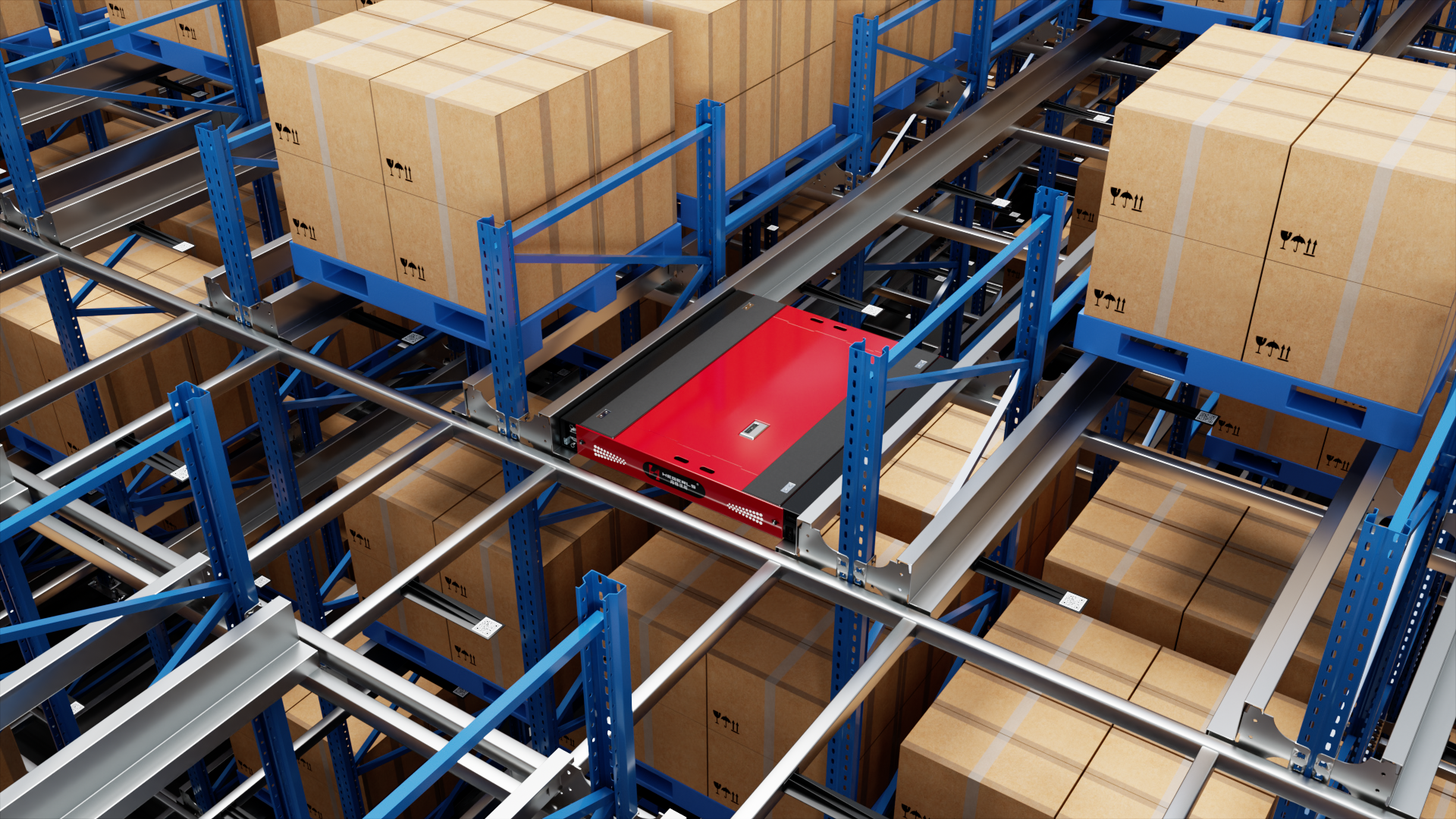
- Four-way shuttle systems
- Automated Guided Vehicles (AGV)
- Conveyor systems
- Warehouse Management Systems (WMS)
Key Features of Automated Warehouses
| Feature | Description |
|---|---|
| Robotics integration | Automated movement of goods |
| High-density storage | Maximizes vertical space utilization |
| Digital inventory control | Real-time stock monitoring |
| 24/7 operation | Continuous logistics operations |
| High accuracy | Up to 99.9% inventory accuracy |
Automated Warehouse vs Traditional Warehouse: Key Differences
| Factor | Traditional Warehouse | Automated Warehouse |
|---|---|---|
| Storage density | Medium | Very high |
| Labor requirement | High | Low |
| Inventory accuracy | 95–97% | Up to 99.9% |
| Operating hours | Limited | 24/7 |
| Operational efficiency | Moderate | High |
| Initial investment | Lower | Higher |
| Long-term operating cost | Higher | Lower |
How Warehouse Automation Improves Storage Density
Automated warehouses maximize vertical and horizontal space. Wide aisles for forklifts in traditional warehouses limit storage. Automated systems use multi-level racks, shuttles, and stacker cranes, increasing capacity by 200–400%.

Why Companies Are Moving Toward Warehouse Automation
Rising Labor Costs
Automation reduces reliance on labor while maintaining consistent operational productivity.
E-commerce Growth
Automated warehouses process hundreds of pallets per hour, meeting fast order fulfillment demands.
Inventory Accuracy
Automated systems provide real-time tracking, reducing errors and discrepancies.
Limited Warehouse Space
High-density racks and automated systems allow more goods in the same footprint.
Typical Components of an Automated Warehouse
| System Component | Function |
|---|---|
| High-density racking | Maximizes vertical storage space |
| Four-way shuttle robots | Horizontal pallet transport |
| Vertical lifts/stacker cranes | Multi-level pallet movement |
| Conveyor systems | Move goods between zones |
| Warehouse Management System | Coordinates and optimizes operations |
Case Study: Automated Tire Warehouse Project in Morocco
Large tire storage presents unique logistics challenges due to size and weight. Traditional warehouses are inefficient for high-volume tire storage.
Project Overview
| Project Item | Details |
|---|---|
| Location | Morocco |
| Warehouse Size | 166 m × 102 m × 40.5 m |
| Total Storage Capacity | 71,280 pallet positions |
| Storage Type | Automated high-density warehouse |
| Core Technologies | Two-way shuttle + stacker crane + rack-supported structure |
| Industry | Tire manufacturing & distribution |
System Architecture
- Rack-supported warehouse structure
- Two-way shuttle robots
- Automated stacker cranes
- Conveyor transport systems
- Warehouse Management System (WMS)
Benefits
- Increased Storage Capacity: Over 71,000 pallet positions.
- Faster Material Handling: Two-way shuttles & stacker cranes improve throughput.
- Reduced Labor Costs: Minimal human intervention required.
- Improved Inventory Accuracy: Real-time tracking via WMS.
- Scalable Design: Easy to expand with additional shuttles or racks.

Industries That Benefit Most from Warehouse Automation
| Industry | Application |
|---|---|
| E-commerce | Rapid order fulfillment |
| Manufacturing | Production line supply |
| Automotive | Spare parts storage |
| Tire Industry | High-volume pallet storage |
| Food & Beverage | Cold chain logistics |
| 3PL | Multi-client distribution centers |
Quick Answer
An automated warehouse uses robotics, AS/RS, and WMS for minimal human intervention, offering higher storage density, faster handling, and up to 99.9% inventory accuracy.
Traditional warehouses rely on manual labor and forklifts, suitable for smaller operations but less efficient at scale.
Warehouse Automation Market Statistics
| Year | Market Size |
|---|---|
| 2022 | USD 21.0B |
| 2024 | USD 26.5B |
| 2026 | USD 38B (est.) |
| 2030 | USD 55B (forecast) |
| 2032 | > USD 70B |
- Over 65% of large DCs will adopt automation by 2030
- Storage density can increase up to 4×
- Labor cost reduction: 30–60%
How HEGERLS Supports Smart Warehouse Automation
HEGERLS provides custom automated warehouse solutions:
- Four-way shuttle storage systems
- Rack-supported automated warehouses
- Automated vertical storage systems
- Integrated racking + automation solutions
Designed for e-commerce, manufacturing, tire storage, 3PL, and more, enabling scalable, efficient logistics.

Build Your Automated Warehouse with HEGERLS
Upgrade your logistics operations with HEGERLS custom automated solutions, including design, integration, high-density racking, and WMS support.
Contact HEGERLS today to optimize your warehouse efficiency.
FAQ
What is an automated warehouse?
A warehouse that uses robotics, AS/RS, and WMS to manage storage and logistics with minimal human intervention.
Are automated warehouses more efficient than traditional warehouses?
Yes. They offer faster order fulfillment, higher storage density, and inventory accuracy up to 99.9%.
Which industries benefit most from warehouse automation?
E-commerce, manufacturing, automotive, tire distribution, food & beverage, and 3PL logistics.
Key words:
warehouse automation,automated warehouse,smart warehouse,four way shuttle system,intralogistics,high density warehouse storage
Related Solutions
Related Cases
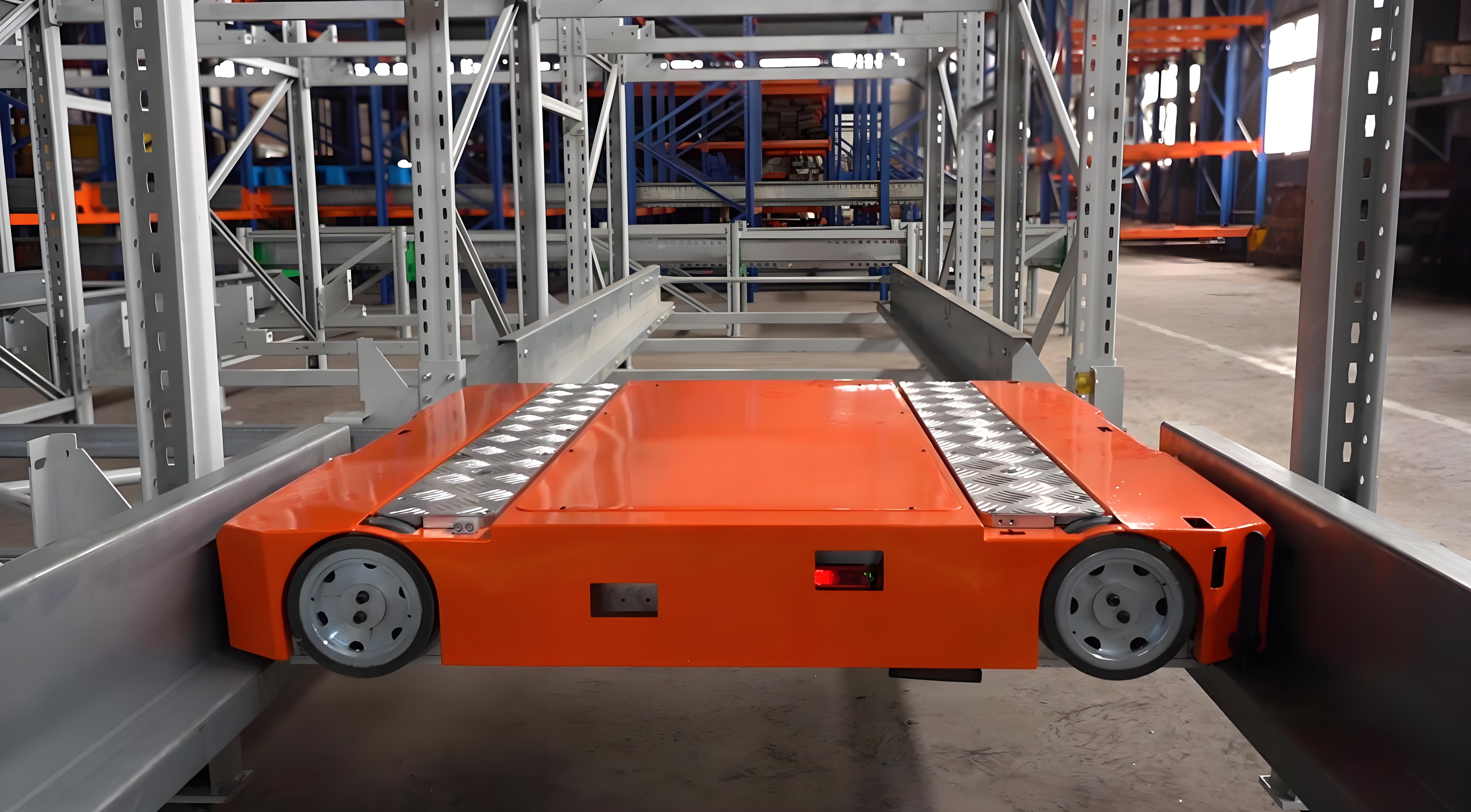

Integrated Warehouse Rack Project in Morocco | Rack Supported Warehouse
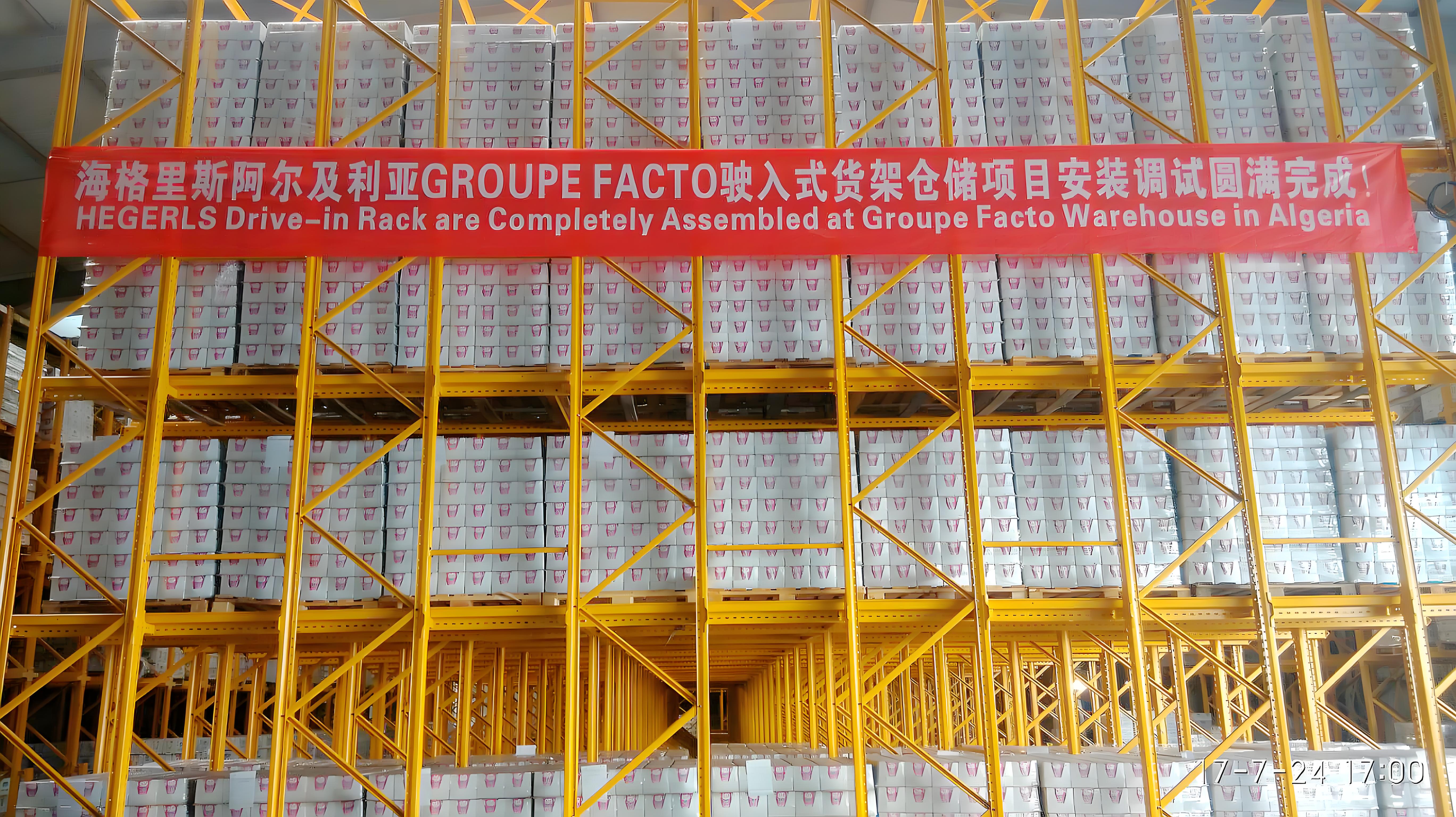
Algeria FACTO Group Storage Project
Related Products

MOBILE: +86 133 1595 3337
E-mails: hgls-wm@hbgysw.com
Office: Room 1118, Building No.6, Tatan Mall, Tatong Street, Shijiazhuang, China
Production base: 68 Shidai Road,Xinhe Industrial Park,Hebei Province
Website: https://www.woke-hercules.com



All rights reserved©2025 Hebei Woke Metal Products Co., ltd.