

-
SOLUTIONSIn recent years, “Hegerls" HD shuttle storage system have improved, upgraded, more intelligent, flexible, and more systematic, which can meet the different needs of customers in various industries.
 SERVICE
 -
-
R & DObtained more than ten national patents for automated logistics warehousing equipment such as shuttle cars, stackers, and mobile shelves, awarded SGS, BV, and TUV international product quality inspection agency certificates, as well as the "Quality, Environment, Health" ISO three major system certification certificates.
SERVICE
-
PROJECTSAfter Haigelis entered the international market in 2011, it exported supermarket equipment, warehousing equipment, and related supporting products to countries and regions such as North America, South America, Europe, Southeast Asia, and Africa. In recent years, the company has increased its efforts in the research and development of automated warehousing equipment.
SERVICE
-
BlogProfessional articles, guides, and insights on warehouse racking and automated storage systems.
SERVICE
-
HEGERLSIt's developed over 20 years, our company has become a one-stop integrated service provider of warehousing and logistics, integrating warehousing and logistics project design...
SERVICE

APPLICATION
Warehouse Robots: Transforming Modern Logistics and Fulfillment Centers
Classification:
Industry Info
Release time:
2026-04-03
The modern warehouse is rapidly evolving. From traditional manual labor to highly automated warehouse robots, the logistics industry is embracing robotics and automation to increase efficiency, reduce costs, and optimize storage.
This guide explores types of warehouse robots, their applications, benefits, ROI, future trends, and top companies in the sector.
What Are Warehouse Robots?
Warehouse robots are automated machines designed to perform material handling, picking, sorting, and transportation tasks in warehouses, distribution centers, and fulfillment centers.
Key capabilities include:
- Autonomous navigation within warehouse aisles
- Robotic order fulfillment
- Inventory monitoring and stock optimization
- Integration with warehouse management systems (WMS)

Types of Warehouse Robots
Warehouse robots can be categorized based on their function, automation level, and mobility. Understanding each type helps businesses select the right system for their operations.
1. Autonomous Mobile Robots (AMRs)
Description:
AMRs navigate warehouses autonomously using sensors, cameras, and AI algorithms. Unlike AGVs (Automated Guided Vehicles), AMRs do not require fixed paths, which gives them flexibility in dynamic warehouse environments.
Key Features:
- Dynamic path planning
- Obstacle detection and avoidance
- Real-time task allocation
Applications:
- Internal transportation of goods
- Order consolidation
- Inventory relocation
Example Case:
A large e-commerce fulfillment center implemented 50 AMRs, which reduced intra-warehouse travel time by 35% and improved daily throughput by 25%.
2. Robotic Order Fulfillment Systems
Description:
These robots pick, pack, and prepare orders automatically. They integrate with Warehouse Management Systems (WMS) to retrieve the correct SKU for each order.
Key Features:
- High-speed picking
- SKU-level accuracy (99%+)
- Integration with conveyors and AMRs
Applications:
- E-commerce fulfillment
- Retail distribution
- 3PL logistics
ROI Impact:
- Labor savings: 40–60%
- Picking speed increase: 2–3x
3. Warehouse Pallet Robots
Description:
These robots specialize in handling heavy pallets. They are designed to move, stack, and store pallets in high-density warehouse configurations.
Key Features:
- High load capacity (500–2000 kg per pallet)
- Continuous operation with minimal human supervision
- Compatible with automated racking systems
Applications:
- Manufacturing warehouses
- Large-scale distribution centers

4. Collaborative Robots (Cobots)
Description:
Cobots are designed to safely work alongside humans in warehouses. They assist with repetitive tasks like picking, packaging, or lifting.
Key Features:
- Safety sensors to prevent collisions
- Easy programming and re-tasking
- Flexible deployment for mixed workflows
Applications:
- Retail replenishment
- Small parcel sorting
- Semi-automated picking
Example Case:
A grocery retailer deployed cobots in its distribution center to assist with picking high-volume SKUs. The cobots reduced human strain injuries by 30% and increased throughput by 20%.
5. Automated Guided Vehicles (AGVs)
Description:
AGVs follow pre-defined paths using magnetic tracks or QR codes. They transport materials efficiently but are less flexible than AMRs.
Key Features:
- High reliability for fixed routes
- Integration with conveyor systems
- Centralized control via warehouse software
Applications:
- Transport of raw materials
- Finished goods transfer
- Fixed-path replenishment
Comparison Table: AMRs vs AGVs
| Feature | AMRs | AGVs |
|---|---|---|
| Navigation | Dynamic | Fixed path |
| Flexibility | High | Low |
| Cost | Medium–High | Medium |
| Best For | High variability warehouses | Standardized workflows |
6. Specialty Robots
- Drone inventory scanners: Fly within warehouses to scan inventory locations
- Sorting robots: Automatically sort parcels based on size, weight, or destination
- Vertical lift robots: Move goods between floors or mezzanine levels

Benefits of Using Warehouse Robots
| Benefit | Description | Estimated ROI Impact |
|---|---|---|
| Labor savings | Reduces manual labor dependency | 30–50% |
| Accuracy | Minimizes picking errors | 95–99% |
| Throughput | Faster order fulfillment | +25–40% |
| Safety | Reduces workplace injuries | High |
| Scalability | Easy to expand operations | Medium |
Top Use Cases for Warehouse Robots
E-Commerce Fulfillment
- High-volume, high-speed order processing
- Reduces shipping errors
3PL & Distribution Centers
- Efficient handling of multi-client inventories
- Seamless integration with WMS
Retail & Grocery
- Just-in-time replenishment
- Efficient restocking of shelves
How to Choose the Right Warehouse Robot
Step 1: Analyze Your Operations
- SKU volume and variety
- Picking speed requirements
- Warehouse layout and ceiling height
Step 2: Determine Automation Goals
| Goal | Recommended Robot |
|---|---|
| Reduce labor costs | AMRs or pallet robots |
| Increase picking speed | Robotic order fulfillment systems |
| Improve safety | Cobots |
Step 3: Evaluate ROI
- Consider upfront cost vs labor savings
- Expected ROI: 1–3 years for medium to large centers
Step 4: Vendor Evaluation
Top factors:
- Experience in warehouse robotics
- Integration with WMS
- Maintenance and support
- Customization options
Future Trends in Warehouse Robots
The future of warehouse robots is being shaped by AI, IoT, and modular automation systems. Businesses investing in these trends can significantly improve efficiency and scalability.
1. AI-Powered Robotics
Trend:
AI enables robots to make intelligent decisions, predict demand, and optimize workflows in real time.
Applications:
- Predictive task allocation
- Dynamic route optimization
- Stock replenishment prioritization
Impact:
- Operational efficiency improvement: 20–35%
- Reduction in human errors: 50–70%

2. Robotics-as-a-Service (RaaS)
Trend:
Instead of purchasing robots outright, warehouses can lease robots as a service.
Advantages:
- Lower upfront investment
- Flexible scalability
- Maintenance included
Example:
A 3PL provider leased 100 AMRs under a RaaS model, reducing CAPEX by $1.5M and scaling capacity during peak seasons without permanent investment.
3. Fully Autonomous Warehouses
Trend:
“Lights-out” warehouses operating with minimal human intervention are increasingly feasible.
Features:
- Complete integration of AMRs, robotic pickers, conveyors, and AGVs
- Centralized AI control
- 24/7 operation
Impact:
- Maximize throughput
- Minimal operational errors
- Reduced labor costs
4. IoT and Real-Time Analytics
Trend:
IoT sensors allow real-time monitoring of robots and inventory.
Applications:
- Condition monitoring of robotic equipment
- Real-time location tracking
- Predictive maintenance
Impact:
- Reduced downtime: 15–25%
- Increased operational reliability
5. Collaborative Human-Robot Workflows
Trend:
Robots will work alongside humans in hybrid operations for flexibility.
Applications:
- Cobots handling repetitive or heavy tasks
- Human operators performing complex decision-making
- Adaptive task allocation based on demand
ROI Impact:
- Labor efficiency +30%
- Safety improvement +40%
6. Energy-Efficient Robotics
Trend:
Sustainability becomes a key factor in warehouse automation.
Innovations:
- Regenerative braking in mobile robots
- Low-energy drive systems
- Smart battery management
Impact:
- Energy cost savings: 10–20%
- Reduced environmental footprint
7. Integration with Digital Twin Technology
Trend:
Digital twins replicate warehouse operations virtually for optimization and simulation.
Benefits:
- Testing warehouse layout before implementation
- Predicting robot fleet performance
- Scenario planning for peak seasons
8. Modular and Scalable Robotics Systems
Trend:
Future warehouse robots will be modular and easy to expand.
Benefits:
- Incremental deployment
- Adaptable to warehouse layout changes
- Lower initial investment
Trend Summary Table
| Trend | Key Benefits | Example ROI |
|---|---|---|
| AI-Powered Robotics | Dynamic task allocation | +20–35% efficiency |
| RaaS | Flexible scalability | Lower CAPEX |
| Fully Autonomous Warehouses | 24/7 operation | Max throughput |
| IoT Integration | Real-time monitoring | Reduced downtime 15–25% |
| Cobots | Human-robot collaboration | +30% labor efficiency |
| Energy-Efficient Robotics | Sustainability | -10–20% energy cost |
| Digital Twin | Virtual simulation | Lower implementation risk |
| Modular Robotics | Easy expansion | Lower upfront investment |
Top Warehouse Robotics Companies
| Company | Headquarters | Key Products |
|---|---|---|
| HEGERLS | China | Four-way shuttle, AMRs, warehouse integration |
| Boston Dynamics | Boston, MA | Mobile warehouse robots, logistics robots |
| Fetch Robotics | Bay Area, CA | AMRs, autonomous material handling |
| GreyOrange | Singapore/US | Fulfillment robots, AI-driven warehouse systems |
| KUKA | Germany | Industrial warehouse robots, robotic arms |
FAQ: Warehouse Robots
What are warehouse robots used for?
Automating storage, picking, packing, and transporting goods to improve efficiency and reduce labor costs.
What is the difference between AGVs and AMRs?
- AGVs follow fixed paths
- AMRs navigate dynamically using AI and sensors
How much do warehouse robots cost?
- Cobots: $25K–$50K
- AMRs: $50K–$150K
- Robotic order fulfillment systems: $200K–$1M+
What is the ROI of warehouse robots?
- Labor savings: 30–50%
- Efficiency improvement: 25–40%
- Typical ROI: 1–3 years
Which warehouses benefit most from robots?
- Medium to large fulfillment centers
- Distribution centers handling high SKU volumes
- 3PL warehouses
Can warehouse robots integrate with WMS?
Yes. Most modern warehouse robots are compatible with WMS and ERP systems for real-time inventory and task management.
Are warehouse robots safe for humans?
Yes, especially collaborative robots designed to operate alongside humans with safety sensors.
How scalable are warehouse robotics solutions?
Highly scalable. Businesses can add AMRs, robots, and systems modularly as demand grows.
Upgrade Your Warehouse with Intelligent Robots
Looking to boost efficiency and ROI in your warehouse?
HEGERLS offers:
- Automated robots for order fulfillment
- AMRs and AGVs for material handling
- Robotic pallet and picking systems
- Full warehouse automation solutions
📩 Contact us today for a free warehouse assessment and solution plan!
Key words:
warehouse robots,warehouse robotics companies,autonomous warehouse robots,warehouse automation companies,robotic warehouse systems
Related Solutions
Related Cases
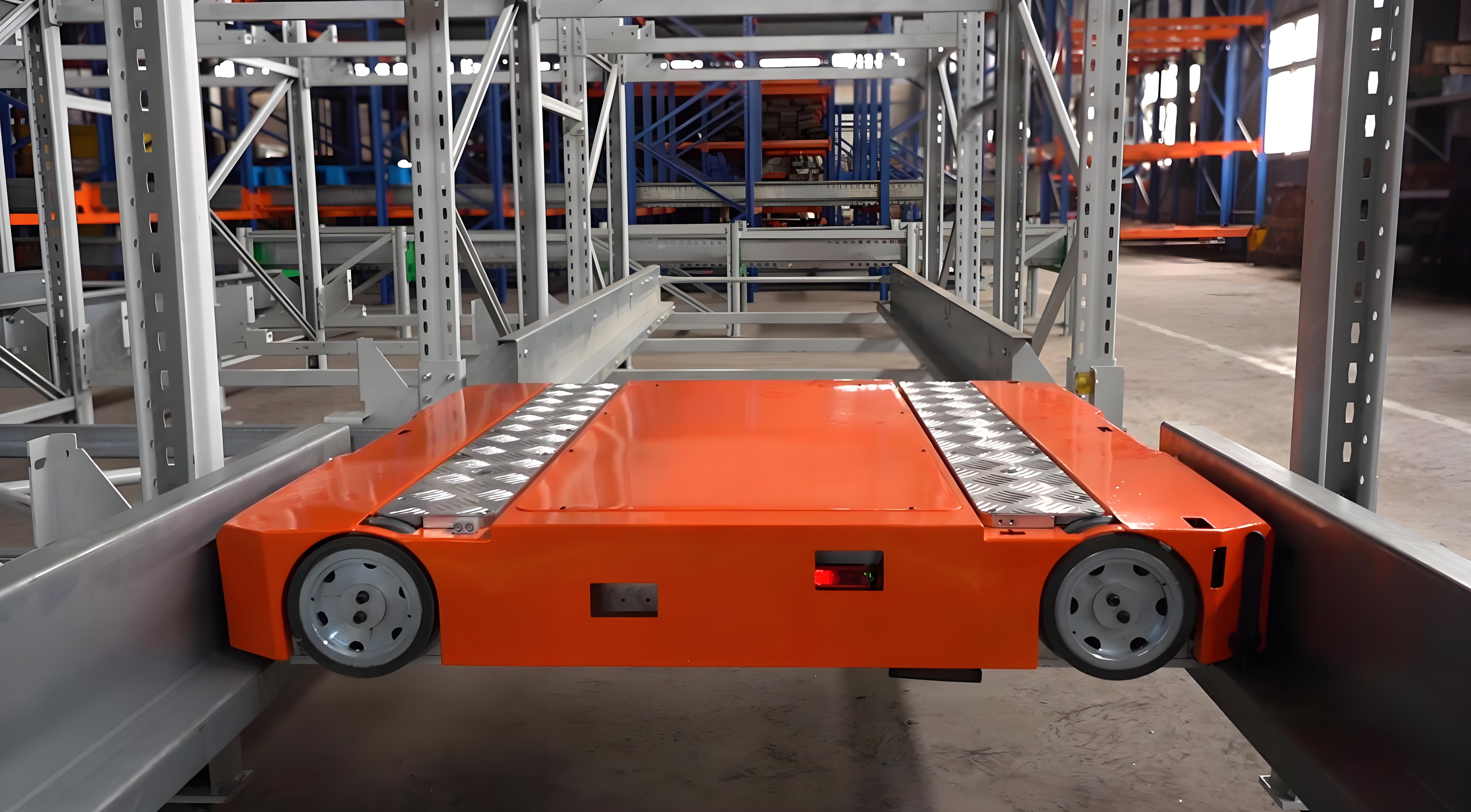

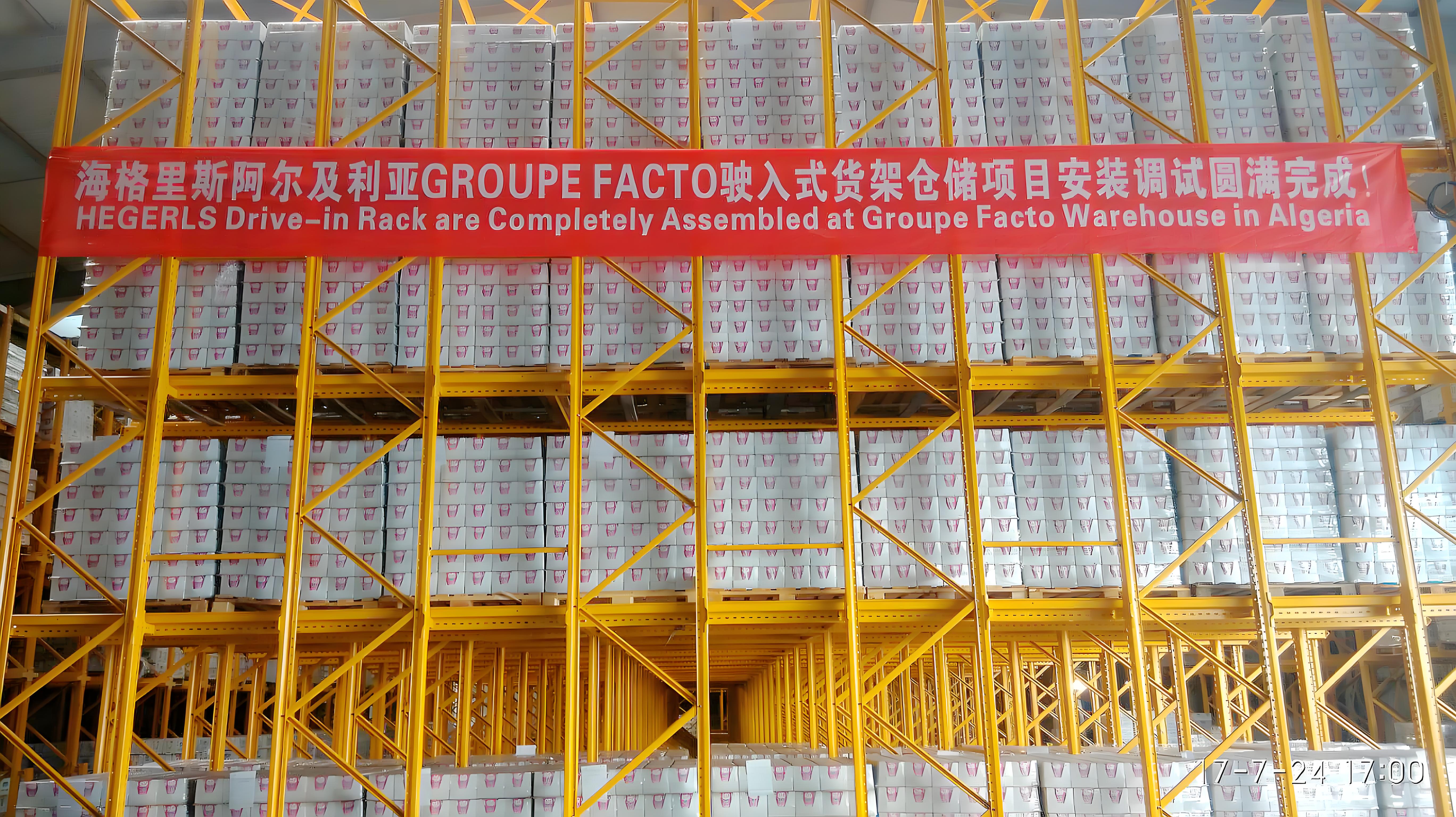
Algeria FACTO Group Storage Project
Related Products

MOBILE: +86 133 1595 3337
E-mails: hgls-wm@hbgysw.com
Office: Room 1118, Building No.6, Tatan Mall, Tatong Street, Shijiazhuang, China
Production base: 68 Shidai Road,Xinhe Industrial Park,Hebei Province
Website: https://www.woke-hercules.com



All rights reserved©2025 Hebei Woke Metal Products Co., ltd.