

-
SOLUTIONSIn recent years, “Hegerls" HD shuttle storage system have improved, upgraded, more intelligent, flexible, and more systematic, which can meet the different needs of customers in various industries.
 SERVICE
 -
-
R & DObtained more than ten national patents for automated logistics warehousing equipment such as shuttle cars, stackers, and mobile shelves, awarded SGS, BV, and TUV international product quality inspection agency certificates, as well as the "Quality, Environment, Health" ISO three major system certification certificates.
SERVICE
-
PROJECTSAfter Haigelis entered the international market in 2011, it exported supermarket equipment, warehousing equipment, and related supporting products to countries and regions such as North America, South America, Europe, Southeast Asia, and Africa. In recent years, the company has increased its efforts in the research and development of automated warehousing equipment.
SERVICE
-
BlogProfessional articles, guides, and insights on warehouse racking and automated storage systems.
SERVICE
-
HEGERLSIt's developed over 20 years, our company has become a one-stop integrated service provider of warehousing and logistics, integrating warehousing and logistics project design...
SERVICE

APPLICATION
Best Warehouse Automation Companies: 2026 Complete Guide
Classification:
Industry Info
Release time:
2026-04-17
Warehouse automation is rapidly transforming global logistics. Companies are increasingly adopting warehouse automation equipment, robotics, and intelligent software systems to improve efficiency, reduce labor costs, and scale operations.
Choosing the right partner is critical. The best warehouse automation companies provide not just equipment, but complete end-to-end logistics automation solutions, including design, integration, software, and long-term support.
This guide explains how to evaluate providers, what solutions exist, and what defines the top warehouse automation companies in 2026.
What Are Warehouse Automation Companies?
Warehouse automation companies are specialized providers that design, manufacture, and integrate systems that automate warehouse operations. These systems include:
- Automated storage and retrieval systems (AS/RS)
- Shuttle systems
- Conveyor systems
- Robotics (AMRs/AGVs)
- Warehouse control software (WMS/WCS integration)
Warehouse automation companies are businesses that provide technologies, systems, and integration services to automate warehouse operations such as storage, picking, packing, and material handling.

What Do Warehouse Automation Providers Do?
Modern warehouse automation providers deliver full solutions rather than standalone equipment.
Core responsibilities:
1. Warehouse Design & Consulting
- Layout planning
- Storage optimization
- Workflow analysis
2. Equipment Supply
- Warehouse automation equipment
- Robotics systems
- Conveyor and shuttle systems
3. System Integration
- WMS integration
- ERP connection
- Real-time control systems
4. Maintenance & Support
- System upgrades
- Technical support
- Performance optimization
👉 The best providers act as long-term logistics partners, not just suppliers.

Best Warehouse Automation Companies (2026 Overview)
Below are key categories of leading companies in the warehouse automation industry.
1. Global Warehouse Automation Leaders
These companies provide large-scale logistics automation solutions for enterprise warehouses:
Examples include:
- HEGERLS
- Dematic
- Swisslog
- Daifuku
- Vanderlande
- Honeywell Intelligrated
Strengths:
- Global integration capability
- Large-scale AS/RS systems
- Advanced software platforms
Weakness:
- High cost
- Longer implementation cycles
2. Robotics-Focused Automation Companies
These companies specialize in automated warehouse picking and packing solutions:
Examples:
- AutoStore
- Locus Robotics
- GreyOrange
- Geek+
Strengths:
- High flexibility
- Scalable robotics systems
- Strong e-commerce application
3. Warehouse Integrators (System Builders)
These are critical players in automation projects.
What they do:
- Combine multiple systems
- Integrate hardware + software
- Customize warehouse solutions
Examples:
- System integrator firms (regional and global)
- Engineering EPC companies
👉 They are often the most important part of successful automation projects.
4. Mid-Market Warehouse Automation Providers
These companies focus on cost-effective warehouse automation equipment for SMEs and growing enterprises.
Strengths:
- Lower investment cost
- Flexible customization
- Faster deployment

What Makes the Best Warehouse Automation Companies?
To identify the top warehouse automation companies, evaluate the following factors:
1. System Integration Capability
A top provider must integrate:
👉 Without integration, automation cannot function efficiently.
2. Technology Coverage
Strong providers offer:
- Robotics systems
- AS/RS systems
- Shuttle systems
- Conveyor systems
3. Customization Ability
Every warehouse is different. The best companies offer:
- Tailored layouts
- Industry-specific solutions
- Scalable systems
4. After-Sales Support
Critical for long-term operation:
- Maintenance services
- Spare parts supply
- Remote monitoring
5. ROI Performance
Top providers help customers achieve:
- 30–60% efficiency improvement
- 20–40% labor cost reduction
- 99%+ inventory accuracy
Warehouse Automation Equipment Overview
Modern warehouse automation equipment includes:
1. Automated Storage Systems
- AS/RS
- Vertical lift modules
- Shuttle systems
2. Material Handling Systems
- Conveyors
- Sortation systems
- Pallet transport systems
3. Robotics Systems
4. Picking Systems
- Robotic picking arms
- Goods-to-person systems

Logistics Automation Solutions Explained
Logistics automation solutions combine software and hardware to optimize:
- Storage
- Picking
- Packing
- Shipping
Key benefits:
- Faster order fulfillment
- Reduced operational errors
- Improved warehouse visibility
- Higher scalability
👉 These solutions are essential for e-commerce and 3PL industries.
Warehouse Automation Providers vs Integrators
When evaluating best warehouse automation companies, it is essential to understand the difference between automation providers and warehouse integrators. While these roles may overlap, they serve fundamentally different functions in an automation project.
Key Differences
| Factor | Providers | Integrators |
|---|---|---|
| Core Role | Equipment supply | System integration |
| Focus | Technology | End-to-end solution |
| Flexibility | Limited to product range | High (multi-vendor) |
| Project Responsibility | Partial | Full responsibility |
Why Integrators Are Critical
In modern warehouses, automation systems are highly complex. A typical project may include:
- Robotics from one supplier
- Storage systems from another
- Software from a third provider
Without a strong integrator, these systems may not communicate effectively.
👉 Key Insight:
The success of warehouse automation depends more on integration quality than equipment quality.
Best Practice
The best warehouse automation strategy is often:
👉 Provider + Integrator combination
- Choose high-quality equipment providers
- Work with an experienced integrator to unify the system
How to Choose the Right Warehouse Automation Company?
Step 1: Define Business Needs
- Order volume
- SKU complexity
- Growth expectations
Step 2: Evaluate Technology Stack
- Robotics
- AS/RS
- Software systems
Step 3: Check Integration Capability
Ensure compatibility with:
- ERP
- WMS
- Supply chain systems
Step 4: Compare ROI Performance
Ask:
- Payback period
- Efficiency gains
- Maintenance cost
Step 5: Assess Industry Experience
Look for experience in:
- E-commerce
- Manufacturing
- 3PL logistics

Trends Among Top Warehouse Automation Companies
The top warehouse automation companies are evolving rapidly to meet the demands of modern supply chains. Several key trends are shaping the future of logistics automation solutions.
1. AI-Driven Warehouse Optimization
Artificial intelligence is transforming warehouse operations from reactive to predictive.
Key applications:
- Demand forecasting
- Dynamic slotting optimization
- Intelligent picking path planning
📊 Impact:
AI-driven warehouses can improve operational efficiency by 20–30%.
2. Robotics Expansion and Flexibility
Robotics is no longer limited to transport—it now includes:
- Robotic picking arms
- Autonomous mobile robots (AMRs)
- Collaborative robots (cobots)
👉 Modern robotics systems are modular and scalable, allowing businesses to expand gradually.
3. Modular and Scalable Automation Systems
Traditional automation required heavy upfront investment. Today’s systems are:
- Modular
- Scalable
- Faster to deploy
👉 Companies can start small and expand as demand grows.
4. Cloud-Based Warehouse Systems
Cloud technology enables:
- Real-time monitoring
- Remote system control
- Data-driven decision-making
👉 This reduces IT infrastructure costs and improves flexibility.
5. Robotics-as-a-Service (RaaS)
RaaS is a growing model where companies lease automation systems instead of buying them.
Benefits:
- Lower initial investment
- Faster deployment
- Flexible scaling
📊 This model is expected to grow significantly in the next 5 years.
6. Digital Twin Technology
Digital twins create a virtual replica of the warehouse, allowing companies to:
- Simulate operations
- Test layouts
- Predict bottlenecks
👉 This significantly reduces implementation risk.
7. Sustainability and Green Automation
Top companies are focusing on:
- Energy-efficient equipment
- Reduced carbon footprint
- Smart energy management systems
👉 Sustainability is becoming a key competitive factor in logistics.
Key Takeaway
The future of warehouse automation is:
👉 Intelligent + Flexible + Scalable + Sustainable
Companies that adopt these trends early will gain a significant competitive advantage.

Common Mistakes When Choosing Automation Providers
Selecting the wrong automation partner can lead to cost overruns, system failures, and poor ROI. Below are the most common mistakes companies make when choosing warehouse automation providers.
1. Focusing Only on Price
Many businesses choose the lowest-cost provider, but this often leads to:
- Poor system performance
- Limited scalability
- Higher long-term costs
👉 Reality: The cheapest solution is rarely the most cost-effective.
2. Ignoring System Integration
Automation systems must work together seamlessly.
Common issues include:
- Software incompatibility
- Data silos
- Communication failures
👉 Without proper integration, even the best equipment cannot deliver results.
3. Over-Automation
Not all processes require automation.
Over-automation can result in:
- Unnecessary complexity
- Higher maintenance costs
- Reduced flexibility
👉 Best practice: Automate only high-impact, repetitive processes.
4. Lack of Scalability Planning
Many companies design systems for current needs only.
This leads to:
- Capacity limitations
- Expensive future upgrades
👉 Always plan for future growth and expansion.
5. Choosing the Wrong Technology
Different industries require different solutions:
- E-commerce → Robotics + goods-to-person
- Manufacturing → AS/RS + pallet systems
- 3PL → Flexible automation systems
👉 A mismatch leads to poor ROI.
6. Overlooking After-Sales Support
Automation systems require ongoing support.
Risks of poor support:
- Downtime
- Delayed maintenance
- High operational risk
👉 Always evaluate:
- Service response time
- Spare parts availability
- Technical support capability
7. Not Defining Clear ROI Goals
Without clear KPIs, it is difficult to measure success.
Define metrics such as:
- Throughput increase
- Labor cost reduction
- Accuracy improvement
👉 Clear goals ensure measurable ROI.
Final Insight
Choosing the right automation partner is not just a technical decision—it is a strategic business decision.
👉 The best warehouse automation companies deliver:
- Integrated solutions
- Long-term scalability
- Measurable ROI
FAQ: Best Warehouse Automation Companies
1. What are the best warehouse automation companies?
The best warehouse automation companies are providers that deliver end-to-end automation solutions, including robotics, automated storage and retrieval systems (AS/RS), warehouse management software (WMS), and system integration services. Leading companies typically offer scalable, high-efficiency solutions tailored to different industries such as e-commerce, manufacturing, and logistics.
2. What do warehouse automation providers do?
Warehouse automation providers design, manufacture, and implement automation systems that improve storage, picking, packing, and material handling processes. Their services often include system planning, equipment supply, software integration, installation, and ongoing technical support.
3. What are warehouse integrators?
Warehouse integrators are specialized companies that combine multiple technologies—such as robotics, conveyors, AS/RS, and software—into a fully integrated warehouse automation system. They ensure all components work seamlessly together to maximize efficiency, accuracy, and throughput.
4. What is warehouse automation equipment?
Warehouse automation equipment includes a wide range of technologies such as:
- Automated Storage and Retrieval Systems (AS/RS)
- Shuttle systems and four-way shuttle solutions
- Conveyor systems and sortation equipment
- Robotic picking and palletizing systems
- Warehouse management and control systems (WMS/WCS)
These tools help streamline operations and significantly improve productivity.
5. Is warehouse automation worth it?
Yes, warehouse automation is a highly valuable investment. Most businesses achieve a return on investment (ROI) within 1–3 years by reducing labor costs, increasing operational efficiency, improving accuracy, and enabling faster order fulfillment.
Find the Right Automation Partner
Looking for reliable warehouse automation providers or integrators?
We offer:
- Warehouse automation equipment
- Shuttle and AS/RS systems
- Custom logistics automation solutions
- Full warehouse system integration
👉 Contact us today to design a high-efficiency automated warehouse system tailored to your business.
Key words:
best warehouse automation companies,top warehouse automation companies,warehouse automation providers,warehouse integrators,logistics automation solutions
Related Solutions
Related Cases
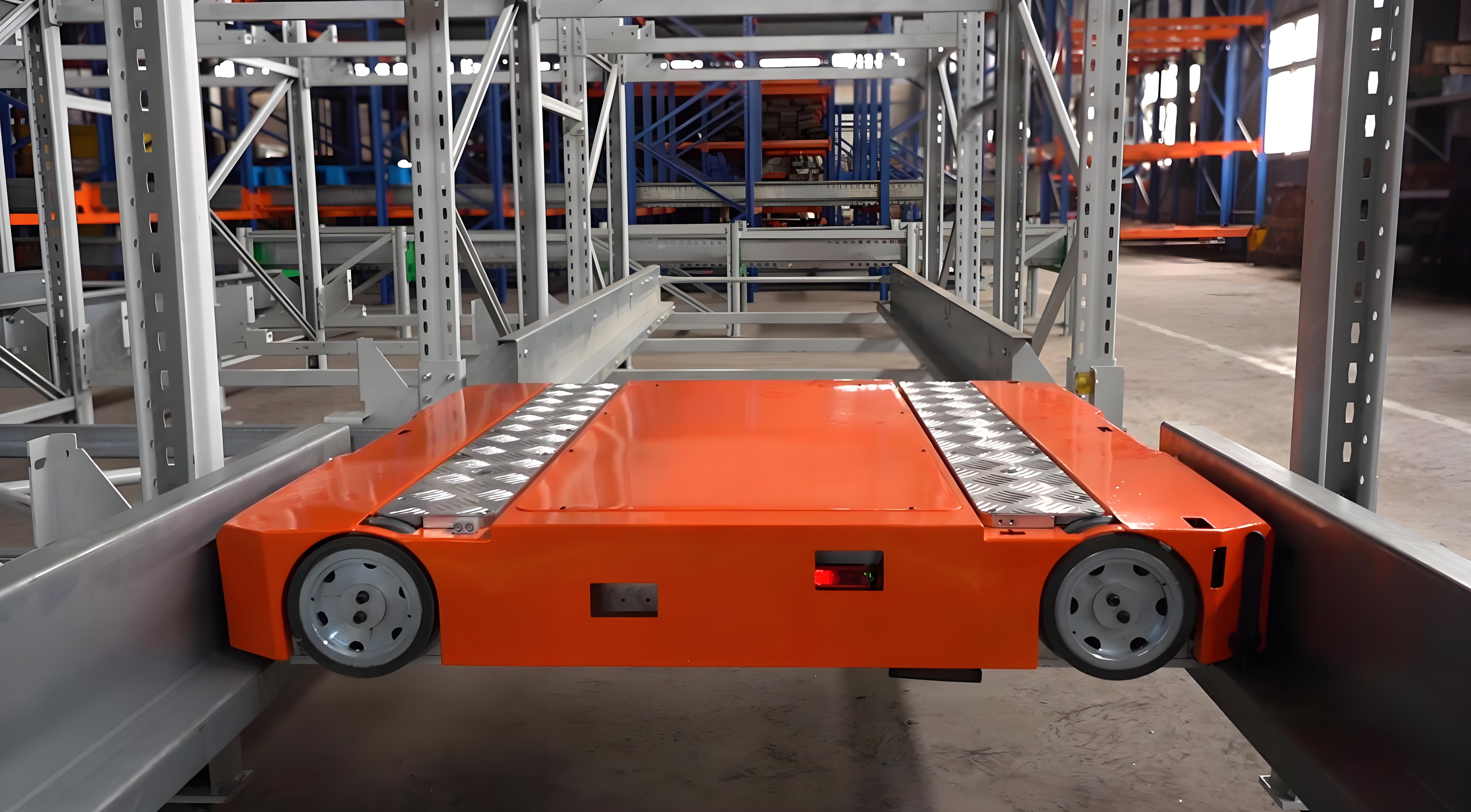

Integrated Warehouse Rack Project in Morocco | Rack Supported Warehouse
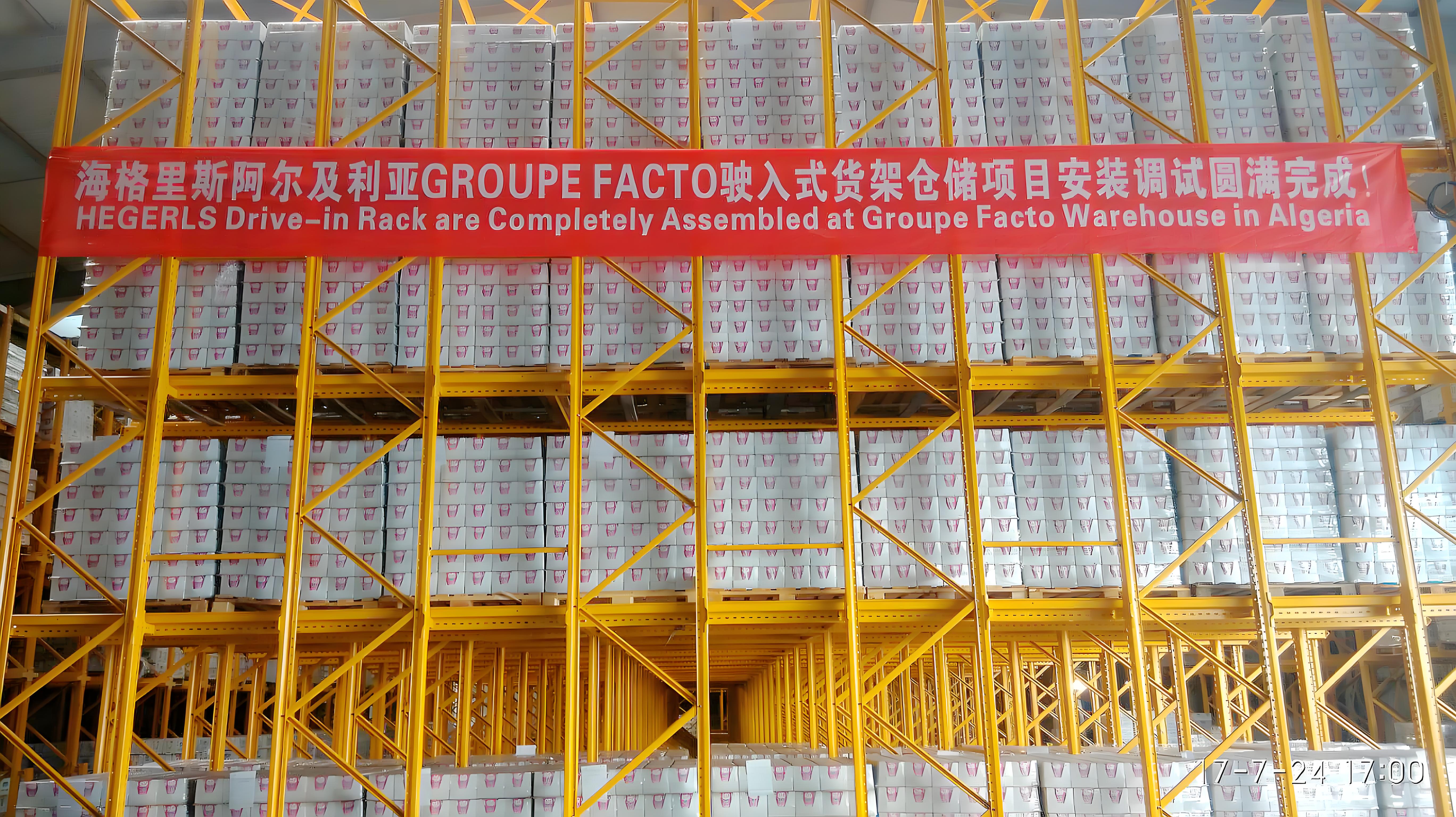
Algeria FACTO Group Storage Project
Related Products

MOBILE: +86 133 1595 3337
E-mails: hgls-wm@hbgysw.com
Office: Room 1118, Building No.6, Tatan Mall, Tatong Street, Shijiazhuang, China
Production base: 68 Shidai Road,Xinhe Industrial Park,Hebei Province
Website: https://www.woke-hercules.com



All rights reserved©2025 Hebei Woke Metal Products Co., ltd.