

-
SOLUTIONSIn recent years, “Hegerls" HD shuttle storage system have improved, upgraded, more intelligent, flexible, and more systematic, which can meet the different needs of customers in various industries.
 SERVICE
 -
-
R & DObtained more than ten national patents for automated logistics warehousing equipment such as shuttle cars, stackers, and mobile shelves, awarded SGS, BV, and TUV international product quality inspection agency certificates, as well as the "Quality, Environment, Health" ISO three major system certification certificates.
SERVICE
-
PROJECTSAfter Haigelis entered the international market in 2011, it exported supermarket equipment, warehousing equipment, and related supporting products to countries and regions such as North America, South America, Europe, Southeast Asia, and Africa. In recent years, the company has increased its efforts in the research and development of automated warehousing equipment.
SERVICE
-
BlogProfessional articles, guides, and insights on warehouse racking and automated storage systems.
SERVICE
-
HEGERLSIt's developed over 20 years, our company has become a one-stop integrated service provider of warehousing and logistics, integrating warehousing and logistics project design...
SERVICE

APPLICATION
Automated Warehouse Control Systems: The Foundation of Modern Warehouse Automation
Classification:
Industry Info
Release time:
2026-06-23
Introduction: Why Automated Warehouse Control Systems Matter
Warehouse automation has evolved far beyond simple conveyor belts and barcode scanners. Today’s distribution centers, manufacturing warehouses, and e-commerce fulfillment hubs operate in an increasingly complex environment characterized by rising labor costs, growing SKU diversity, shorter delivery expectations, and higher customer service requirements.
To remain competitive, businesses are investing heavily in:
- Automated Storage and Retrieval Systems (ASRS)
- Four-way shuttle systems
- Automated guided vehicles (AGVs)
- Autonomous mobile robots (AMRs)
- Robotic picking systems
- Conveyor and sortation systems
However, automation equipment alone cannot create an efficient warehouse.
Without a centralized system coordinating inventory movement, task execution, equipment scheduling, and operational priorities, even the most advanced automation technologies can become bottlenecks rather than productivity drivers.
This is where an Automated Warehouse Control System (WCS) becomes essential.
An automated warehouse control system acts as the operational brain of a warehouse automation ecosystem, ensuring that all automation technologies work together efficiently and intelligently.
As warehouse automation continues to expand globally, warehouse control systems are becoming one of the most important investments for companies pursuing fully automated warehouse operations.

What Is an Automated Warehouse Control System?
An Automated Warehouse Control System (WCS) is a real-time software platform that manages, coordinates, and optimizes automated warehouse equipment and material flow processes.
Unlike a Warehouse Management System (WMS), which focuses primarily on inventory management and order processing, a WCS directly controls automation equipment and executes operational tasks in real time.
The warehouse control system acts as the communication bridge between:
- Enterprise Resource Planning (ERP) systems
- Warehouse Management Systems (WMS)
- Automated warehouse equipment
- Robotics platforms
- Operators and supervisors
By continuously monitoring equipment status, inventory movement, and workflow priorities, the WCS ensures that warehouse automation systems operate at maximum efficiency.
Core Functions of a Warehouse Control System
Equipment Coordination
A WCS manages and synchronizes multiple automation technologies, including:
- ASRS cranes
- Four-way shuttle systems
- Pallet shuttle systems
- Conveyor systems
- Sortation equipment
- AGVs
- AMRs
- Robotic picking stations
Without a centralized control platform, these systems would operate independently and create inefficiencies.

Real-Time Task Scheduling
Warehouse operations are constantly changing.
A warehouse control system dynamically assigns tasks based on:
- Order priorities
- Equipment availability
- Inventory locations
- Throughput requirements
This enables efficient utilization of resources throughout the facility.
Route Optimization
In warehouses using AMRs, AGVs, or shuttle systems, route optimization is critical.
Advanced warehouse control software can:
- Calculate the fastest paths
- Reduce travel distance
- Avoid congestion
- Balance traffic flow
Traffic Management
As warehouses deploy larger fleets of robots and automated vehicles, traffic management becomes increasingly important.
A WCS prevents:
- Equipment collisions
- Route conflicts
- Congestion bottlenecks
- Resource contention
Real-Time Monitoring
Modern warehouse control systems provide visibility into:
- Equipment status
- Inventory movement
- Task completion
- Throughput performance
- System utilization
This allows managers to identify and resolve issues quickly.
Automated Warehouse Control System Architecture
An automated warehouse typically consists of four integrated layers.
ERP Layer
The ERP system manages enterprise-wide business processes such as:
- Procurement
- Sales
- Production planning
- Financial management
The ERP communicates business requirements to the warehouse.
WMS Layer
The Warehouse Management System handles:
- Inventory management
- Order processing
- Slotting strategies
- Replenishment planning
The WMS determines what needs to happen.
WCS Layer
The Warehouse Control System determines how tasks are executed.
Responsibilities include:
- Equipment control
- Workflow orchestration
- Traffic management
- Real-time scheduling
The WCS acts as the warehouse's operational brain.
Equipment Layer
This layer includes physical automation systems such as:
- ASRS systems
- Four-way shuttles
- AMRs
- AGVs
- Robotic picking systems
- Conveyors
The WCS directly communicates with this layer.
WMS vs WCS: Understanding the Difference
One of the most common questions in warehouse automation is:
What Is a Warehouse Management System?
A WMS focuses on inventory and order management.
It answers questions such as:
- What inventory is available?
- Where is inventory stored?
- Which orders need fulfillment?
What Is a Warehouse Control System?
A WCS focuses on equipment execution and workflow control.
It answers questions such as:
- Which robot should perform the task?
- Which route is optimal?
- Which equipment is available?
WMS vs WCS Comparison
| Function | WMS | WCS |
|---|---|---|
| Inventory Management | ✓ | Limited |
| Order Management | ✓ | No |
| Equipment Control | No | ✓ |
| Traffic Management | No | ✓ |
| Task Execution | Partial | ✓ |
| Route Optimization | No | ✓ |
| Real-Time Equipment Monitoring | No | ✓ |
Both systems are essential for a fully automated warehouse.

Key Components of an Automated Warehouse Management System
Inventory Management Module
Provides real-time inventory visibility across the warehouse.
Features include:
- Stock tracking
- Location management
- Cycle counting
- Inventory optimization
Task Management Module
Coordinates warehouse activities such as:
- Putaway
- Picking
- Replenishment
- Shipping
Equipment Control Module
Directly interfaces with automation equipment.
Controls:
- Shuttles
- Robots
- Conveyors
- ASRS cranes
Reporting and Analytics Module
Generates operational insights such as:
- Throughput rates
- Utilization rates
- Equipment performance
- Labor productivity
AI Optimization Module
Modern warehouse automation increasingly uses AI for:
- Slotting optimization
- Predictive maintenance
- Demand forecasting
- Dynamic scheduling
How Automated Warehouse Control Systems Improve Inventory Management
Inventory accuracy is one of the most important warehouse performance indicators.
Real-Time Inventory Tracking
Every inventory movement is automatically recorded.
Benefits include:
- Increased visibility
- Reduced stock discrepancies
- Faster order processing
Automated Replenishment
The system can automatically trigger replenishment tasks when inventory falls below predefined thresholds.
FIFO and FEFO Management
Warehouse control systems support:
- First-In-First-Out (FIFO)
- First-Expired-First-Out (FEFO)
These methods are particularly important in:
- Food logistics
- Pharmaceuticals
- Cold chain operations
Improved Inventory Accuracy
Many automated warehouses achieve inventory accuracy levels above 99.9% compared to manual operations.
Automation Technologies Controlled by WCS
Automated Storage and Retrieval Systems (ASRS)
ASRS systems automate pallet and tote storage.
The WCS controls:
- Crane movements
- Storage assignments
- Retrieval sequences
Four-Way Shuttle Systems
Four-way shuttles represent one of the fastest-growing warehouse automation technologies.
The WCS manages:
- Vehicle dispatching
- Path planning
- Lift coordination
- Multi-shuttle collaboration
HEGERLS four-way shuttle systems leverage intelligent scheduling algorithms to maximize throughput and storage density.

Pallet Shuttle Systems
The WCS coordinates pallet shuttle movement within storage lanes and integrates shuttle operations with warehouse workflows.
AGV Systems
Automated Guided Vehicles transport goods between warehouse zones.
The WCS ensures:
- Safe navigation
- Efficient routing
- Task prioritization
AMR Systems
Autonomous Mobile Robots provide flexible material transport.
Warehouse control software manages fleet coordination and dynamic task assignment.
Robotic Picking Systems
Robotic picking stations rely on WCS platforms to synchronize:
- Inventory delivery
- Picking operations
- Order consolidation
Conveyor and Sortation Systems
The WCS controls conveyor speed, routing logic, and sorting priorities to maintain smooth material flow.
Advantages of Automated Warehouses
Increased Storage Density
Automation technologies such as ASRS and four-way shuttle systems can increase storage density by 100%–300% compared with traditional racking.
Faster Throughput
Automated systems process orders significantly faster than manual operations.
Benefits include:
- Reduced cycle times
- Faster shipping
- Increased productivity
Reduced Labor Costs
Warehouse automation can reduce labor requirements by 30%–70% depending on the application.
Higher Inventory Accuracy
Automation minimizes human error and improves inventory visibility.
Improved Workplace Safety
Automation reduces forklift traffic and manual handling risks.
Better Scalability
Modern warehouse automation systems are modular and can grow alongside business requirements.
What Is a Fully Automated Warehouse?
A fully automated warehouse minimizes human involvement in routine operations.
Key Characteristics
Automated Storage
Inventory is stored automatically.
Automated Retrieval
Products are retrieved without manual intervention.
Automated Transport
Robots and conveyors move inventory throughout the facility.
Robotic Picking
Orders are picked using robotic systems.
Intelligent Decision-Making
Software platforms optimize operations continuously.
Warehouse Automation Solutions by Industry
E-Commerce
Requirements:
- High throughput
- Large SKU counts
- Rapid fulfillment
Recommended technologies:
- Four-way shuttles
- AMRs
- Robotic picking
Manufacturing
Requirements:
- Production line integration
- Raw material management
Recommended technologies:
- ASRS
- AGVs
- WCS integration
Food and Beverage
Requirements:
- FIFO management
- Traceability
Recommended technologies:
- Shuttle systems
- Automated inventory control
Cold Chain Logistics
Requirements:
- Low-temperature operation
- High-density storage
Recommended technologies:
- Four-way shuttle systems
- Automated pallet handling
Pharmaceutical Warehouses
Requirements:
- Regulatory compliance
- High accuracy
Recommended technologies:
- ASRS
- WMS/WCS integration
Third-Party Logistics (3PL)
Requirements:
- Flexibility
- Scalability
Recommended technologies:
- Modular automation systems
- Cloud-based warehouse control platforms
How to Design an Automated Warehouse
Step 1: Analyze Inventory Characteristics
Evaluate:
- SKU count
- Inventory turnover
- Storage requirements
Step 2: Define Throughput Goals
Determine:
- Orders per day
- Pallets per hour
- Peak demand levels
Step 3: Select Appropriate Automation Technologies
Options include:
- ASRS
- Four-way shuttles
- AMRs
- Robotic picking systems
Step 4: Implement WMS and WCS
Software integration is critical to automation success.
Step 5: Plan for Future Expansion
Design warehouses with scalability in mind.

Future Trends in Warehouse Automation
AI-Driven Warehouse Control Systems
AI will enable:
- Autonomous scheduling
- Dynamic optimization
- Predictive decision-making
Digital Twin Warehouses
Digital twins will allow operators to simulate warehouse performance before implementing changes.
Cloud-Based Warehouse Control
Cloud platforms offer:
- Remote management
- Scalability
- Lower infrastructure costs
Multi-Robot Collaboration
Future warehouses will coordinate large fleets of:
- AMRs
- Shuttles
- Picking robots
through centralized control systems.
Autonomous Warehouses
Fully autonomous facilities will continue to expand as robotics and AI technologies mature.
Green Warehouse Automation
Future warehouse automation systems will focus on:
- Energy efficiency
- Carbon reduction
- Sustainable operations
Why Choose HEGERLS Automated Warehouse Control Solutions?
HEGERLS provides complete warehouse automation solutions that combine advanced software platforms with intelligent storage and handling technologies.
HEGERLS CC-WMS
The HEGERLS CC-WMS platform offers:
- Real-time inventory visibility
- AI-powered analytics
- Multi-language support
- Open API architecture
- ERP integration

HEGERLS YUNTU-WCS
The YUNTU-WCS platform serves as the control center for warehouse automation operations.
Key capabilities include:
- Real-time equipment monitoring
- Intelligent task scheduling
- Dynamic route optimization
- 2D and 3D warehouse visualization
- Automatic fault recovery

Supported Automation Technologies
HEGERLS WCS supports:
- Four-way shuttle systems
- ASRS systems
- Pallet shuttle systems
- Conveyor systems
- AGVs
- AMRs
- Robotic picking systems
Key Benefits
- Storage density improvement up to 300%
- Labor reduction up to 70%
- Inventory accuracy exceeding 99%
- Seamless ERP, MES, WMS, and WCS integration
- Scalable architecture for future growth
Conclusion
An automated warehouse control system is the foundation of modern warehouse automation. While ASRS systems, four-way shuttles, robots, and conveyors provide the physical capabilities, the WCS delivers the intelligence required to coordinate operations, optimize workflows, and maximize performance.
As warehouses continue to evolve toward fully automated operations, organizations that invest in advanced warehouse control systems will gain significant advantages in efficiency, scalability, accuracy, and supply chain resilience.
For businesses seeking a future-ready warehouse automation strategy, integrating intelligent WMS and WCS platforms with advanced automation technologies is no longer optional—it is essential.
FAQ: Automated Warehouse Control Systems
What is an automated warehouse control system?
An automated warehouse control system (WCS) manages and coordinates warehouse automation equipment such as ASRS, shuttles, conveyors, and robots in real time. HEGERLS YUNTU-WCS enables intelligent scheduling and optimized warehouse performance.
What is the difference between WMS and WCS?
A WMS manages inventory and orders, while a WCS controls automation equipment and executes warehouse operations. HEGERLS combines CC-WMS and YUNTU-WCS for complete warehouse automation management.
What are the advantages of automated warehouses?
Automated warehouses offer higher storage density, lower labor costs, faster throughput, improved inventory accuracy, and better scalability. HEGERLS solutions help companies achieve up to 300% storage density improvement.
What technologies are used in a fully automated warehouse?
Fully automated warehouses typically use ASRS, four-way shuttle systems, AMRs, robotic picking systems, conveyors, WMS, and WCS software. HEGERLS provides integrated solutions covering all these technologies.
How do automated warehouse control systems improve inventory management?
WCS platforms coordinate inventory movement and equipment operations in real time, ensuring accurate stock tracking, optimized replenishment, and efficient order fulfillment.
What is the future of warehouse automation?
Future warehouse automation will be driven by AI-powered control systems, digital twins, cloud-based platforms, autonomous robots, and intelligent warehouse orchestration software. HEGERLS continues to invest in these technologies to support next-generation smart warehouses.
Key words:
automated warehouse control system,warehouse control system,warehouse automation,warehouse automation technology,warehouse automation solutions
Related Cases
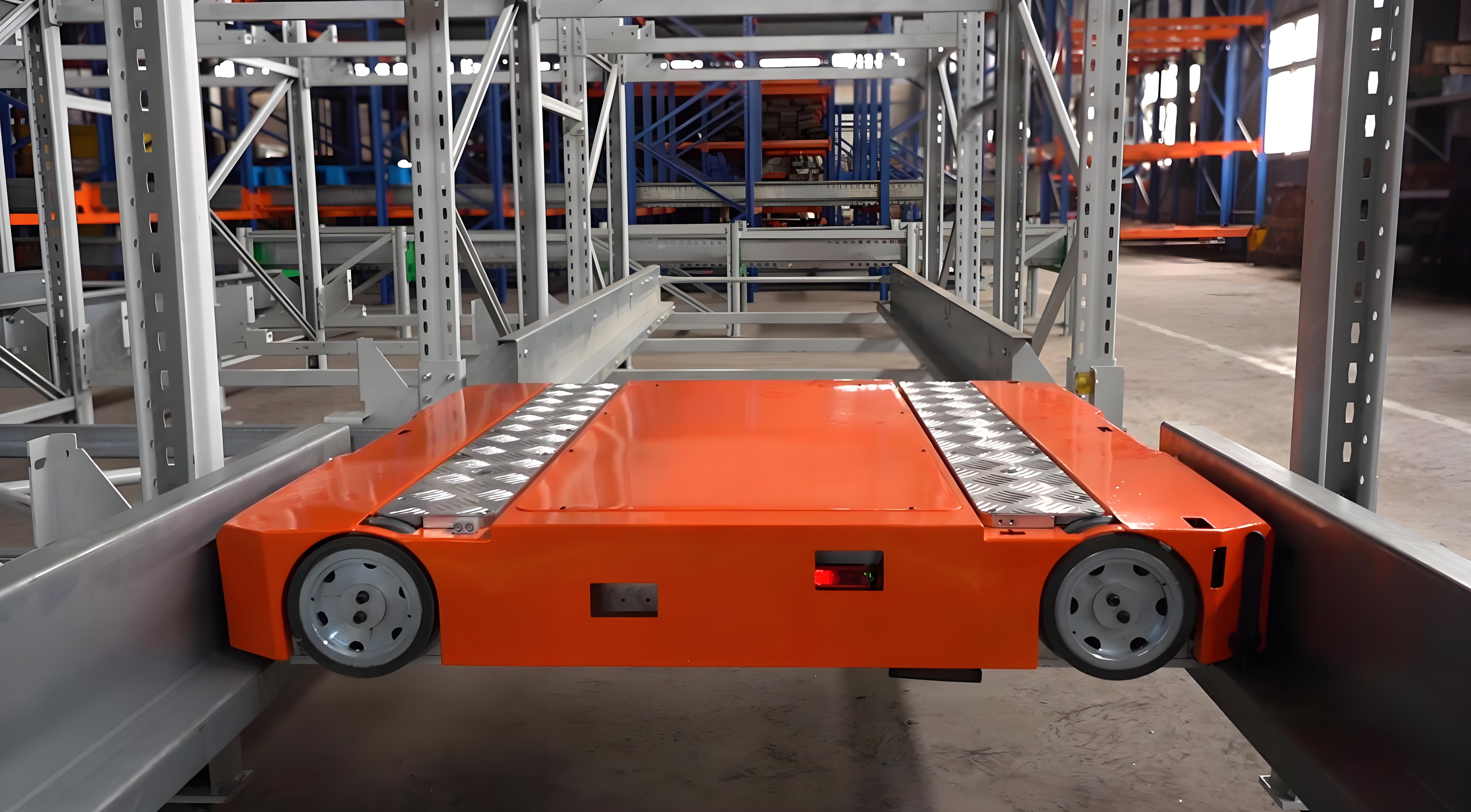

Integrated Warehouse Rack Project in Morocco | Rack Supported Warehouse
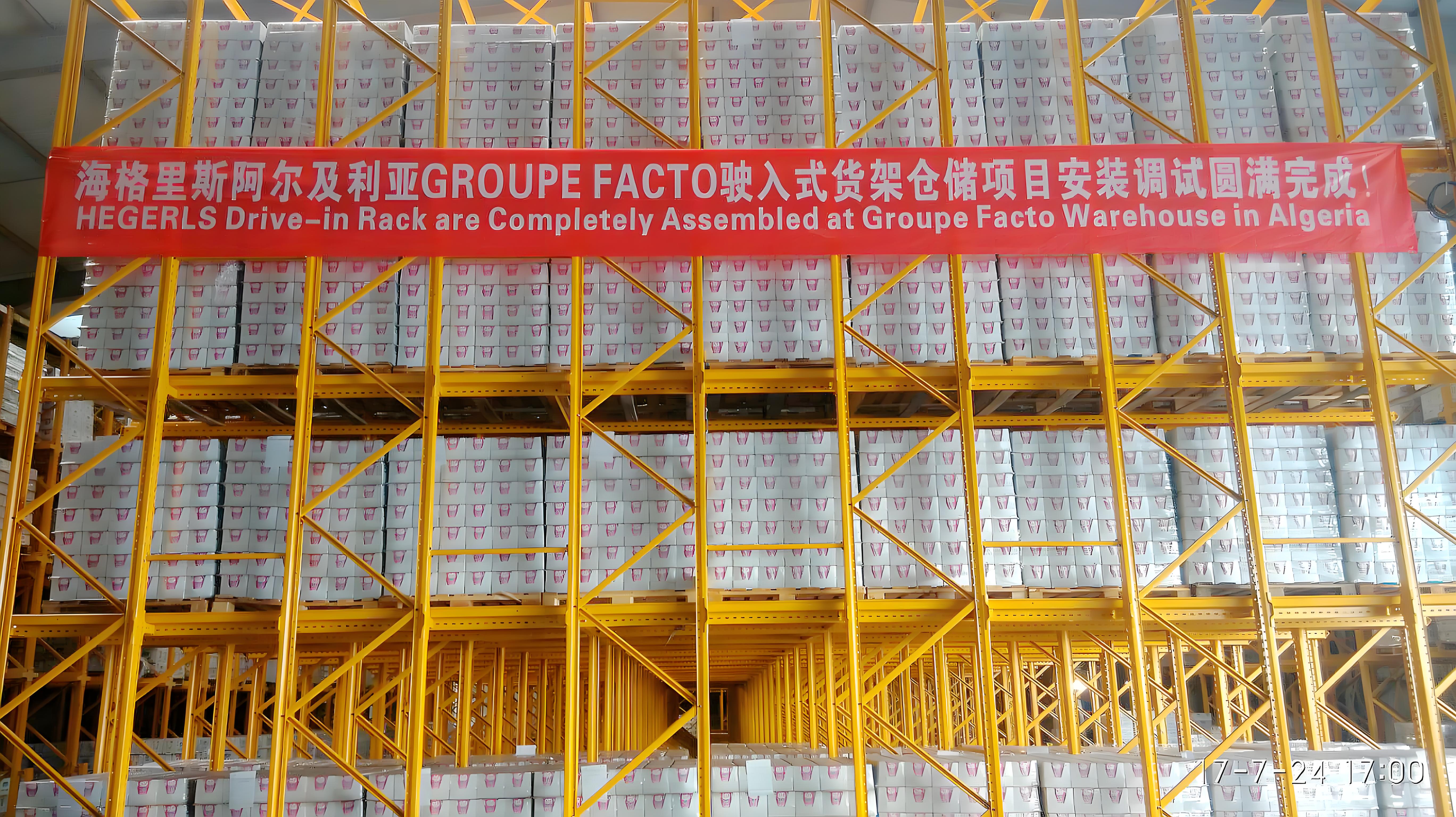
Algeria FACTO Group Storage Project
Related Products

MOBILE: +86 133 1595 3337
E-mails: hgls-wm@hbgysw.com
Office: Room 1118, Building No.6, Tatan Mall, Tatong Street, Shijiazhuang, China
Production base: 68 Shidai Road,Xinhe Industrial Park,Hebei Province
Website: https://www.woke-hercules.com



All rights reserved©2025 Hebei Woke Metal Products Co., ltd.