

-
SOLUTIONSIn recent years, “Hegerls" HD shuttle storage system have improved, upgraded, more intelligent, flexible, and more systematic, which can meet the different needs of customers in various industries.
 SERVICE
 -
-
R & DObtained more than ten national patents for automated logistics warehousing equipment such as shuttle cars, stackers, and mobile shelves, awarded SGS, BV, and TUV international product quality inspection agency certificates, as well as the "Quality, Environment, Health" ISO three major system certification certificates.
SERVICE
-
PROJECTSAfter Haigelis entered the international market in 2011, it exported supermarket equipment, warehousing equipment, and related supporting products to countries and regions such as North America, South America, Europe, Southeast Asia, and Africa. In recent years, the company has increased its efforts in the research and development of automated warehousing equipment.
SERVICE
-
BlogProfessional articles, guides, and insights on warehouse racking and automated storage systems.
SERVICE
-
HEGERLSIt's developed over 20 years, our company has become a one-stop integrated service provider of warehousing and logistics, integrating warehousing and logistics project design...
SERVICE

APPLICATION
Industrial Robotic Picking: The Future of Automated Warehouse Fulfillment
Classification:
Industry Info
Release time:
2026-06-18
Introduction: Why Industrial Robotic Picking Matters
Industrial robotic picking is rapidly transforming modern warehouses from labor-intensive environments into highly automated, intelligent fulfillment centers.
As e-commerce volumes grow and SKU complexity increases, traditional manual picking methods struggle to keep up with:
- Rising labor costs
- Order accuracy demands
- Faster delivery expectations
- Workforce shortages
- High return rates caused by picking errors
This is where robotic picking systems and warehouse picking robots become essential.
Modern warehouses are increasingly adopting:
- Picking robots
- AMR picking systems
- Automated robotic arms
- Vision-guided robotic picking
- AI-powered warehouse automation
Industrial robotic picking is no longer a future concept—it is already a core part of global logistics transformation.

What Is Industrial Robotic Picking?
Industrial robotic picking refers to the use of automated robots to identify, select, and handle products inside a warehouse or distribution center.
These systems use a combination of:
- Computer vision
- Machine learning
- Robotics arms
- Sensors
- AI-driven warehouse software
to complete picking tasks without human intervention.
Core Functions of Robotic Picking Systems
- Item identification
- SKU localization
- Picking and grasping
- Sorting and placing
- Order consolidation
- Automated packaging support
Types of Industrial Robotic Picking Systems
Industrial robotic picking systems are not a single technology, but a broad ecosystem of automation solutions designed to handle different warehouse layouts, SKU profiles, throughput requirements, and order fulfillment strategies.
In modern smart warehouses, robotic picking is typically built as a layered system, combining robotics, AI vision, mobility systems, and warehouse software (WMS/WCS) to achieve fully or semi-automated order fulfillment.
Below is a more comprehensive breakdown of the main types of industrial robotic picking systems used today.
1. Robotic Arm Picking Systems (Fixed Industrial Pickers)
Robotic arm systems are the most established form of industrial robotic picking.
These systems are typically installed at fixed workstations or integrated into production lines and automated picking zones.
How It Works
- Items are delivered to a picking station (via conveyor, AMR, or ASRS)
- Robotic arms identify products using vision systems
- Grippers (vacuum, mechanical, adaptive) pick the item
- Items are placed into bins, totes, or packing stations
Key Technologies
- 4-axis / 6-axis robotic arms
- AI vision recognition (2D/3D cameras)
- Force sensors for delicate handling
- Machine learning-based grasp planning
Advantages
- Extremely high precision
- Fast cycle time in controlled environments
- Ideal for repetitive picking tasks
- High stability for 24/7 operation
Limitations
- Requires fixed infrastructure
- Less flexible for warehouse layout changes
- Best suited for structured picking zones
Typical Applications
- E-commerce fulfillment centers
- Pharmaceutical packaging
- Electronics assembly warehouses
- High-SKU sorting stations
2. AMR Picking Systems (Autonomous Mobile Robot Picking)
AMR picking is one of the fastest-growing categories in warehouse automation.
Unlike fixed robotic arms, AMR-based systems are mobile and flexible.
How It Works
- AMRs navigate warehouse aisles autonomously
- Robots either:
- Carry shelves/totes to workers (goods-to-person), or
- Follow picking instructions to collect items directly
- Orders are dynamically assigned via WMS/WES
Key Technologies
- SLAM navigation (Simultaneous Localization and Mapping)
- LiDAR sensors and depth cameras
- AI route optimization
- Fleet management software
Advantages
- Highly flexible deployment
- No fixed conveyor infrastructure required
- Easy to scale (add more robots)
- Ideal for dynamic warehouse layouts
Limitations
- Battery management required
- Lower payload compared to fixed systems
- Efficiency depends on fleet coordination
Typical Applications
- E-commerce fulfillment
- 3PL logistics centers
- Retail distribution hubs
- Small-to-medium warehouses (SMB automation)

3. Goods-to-Person (G2P) Robotic Picking Systems
Goods-to-Person systems are one of the most efficient robotic picking models in modern warehouses.
Instead of workers walking to shelves, robots bring inventory directly to operators.
System Structure
G2P systems typically include:
- ASRS (Automated Storage and Retrieval Systems)
- Shuttle systems or vertical lifts
- AMRs or conveyor-fed bins
- Ergonomic picking stations
How It Works
- System identifies order requirements
- Robots retrieve bins/totes automatically
- Items are delivered to workstation
- Operator performs final pick/verification
Advantages
- Eliminates walking time
- Extremely high throughput
- Reduces labor fatigue
- Very high picking accuracy
Limitations
- Higher upfront investment
- Requires system integration
- Best suited for high-volume operations
Typical Applications
- High-volume e-commerce fulfillment
- Fashion retail logistics
- Pharmaceutical distribution centers

4. Vision-Based Robotic Picking Systems (AI Vision Picking)
Vision-based picking systems use artificial intelligence and advanced imaging to identify and handle items.
How It Works
- Cameras scan inventory in real time
- AI identifies SKU shape, size, and position
- Robot calculates optimal grasp strategy
- Adaptive grippers perform picking
Key Technologies
- 2D/3D machine vision
- Deep learning object detection
- Real-time image processing
- Adaptive robotic grippers
Advantages
- Can handle random or mixed SKU environments
- High adaptability to product variation
- Reduces need for strict item positioning
- Enables “dark warehouse” operations
Limitations
- Higher computing requirements
- Complex system calibration
- Performance depends on data training quality
Typical Applications
- E-commerce mixed SKU warehouses
- Returns processing centers
- Fast-moving consumer goods (FMCG)

5. Conveyor-Integrated Robotic Picking Systems
This system combines robotics with automated conveyor networks.
How It Works
- Conveyor transports items between zones
- Robotic arms or pick stations perform picking
- Items are automatically routed to packing/shipping
Advantages
- High-speed continuous operation
- Excellent for high-volume SKU flow
- Reduces bottlenecks between zones
Limitations
- Fixed infrastructure required
- Less flexible for layout changes
Typical Applications
- Large distribution centers
- Parcel sorting hubs
- Retail logistics networks

6. Shuttle + Robotic Hybrid Picking Systems
This is one of the most advanced warehouse automation architectures.
It integrates:
- ASRS or shuttle systems (storage layer)
- AMRs or conveyors (transport layer)
- Robotic arms (picking layer)
- WMS/WCS software (intelligence layer)
How It Works
- Shuttle system stores and retrieves pallets or totes
- AMRs transport goods between zones
- Robotic arms perform final picking
- Software coordinates entire workflow
Advantages
- Extremely high scalability
- High storage density + high throughput
- Flexible automation design
- Suitable for large smart warehouses
Typical Applications
- Mega e-commerce fulfillment centers
- National distribution hubs
- Automated cold chain warehouses

7. Collaborative Robot (Cobot) Picking Systems
Cobots are designed to work safely alongside humans.
How It Works
- Human workers handle complex decisions
- Cobots assist with repetitive picking tasks
- Shared workspace collaboration
Advantages
- Lower cost than fully automated systems
- Easy to deploy
- Flexible for small batches
- Safe human-robot interaction
Limitations
- Lower throughput than full automation
- Still requires human supervision
Typical Applications
- Small warehouses
- Manufacturing assembly lines
- Light logistics operations

8. Robotic Sorting & Batch Picking Systems
These systems focus on high-speed order consolidation rather than single-item picking.
How It Works
- Robots sort multiple SKUs simultaneously
- Orders are grouped into batches
- Items are routed automatically to packing stations
Advantages
- Extremely high throughput
- Ideal for high order volumes
- Efficient for multi-order processing
Typical Applications
- Express delivery centers
- E-commerce peak season operations
- High-frequency order environments
How Industrial Robotic Picking Works
A typical workflow includes:
Step 1: Order Processing
Warehouse Management System (WMS) assigns orders.
Step 2: Task Allocation
AI distributes tasks to robotic picking systems or AMRs.
Step 3: Navigation & Retrieval
Robots move to inventory locations or receive goods-to-person deliveries.
Step 4: Item Identification
Vision systems recognize SKU details.
Step 5: Picking Operation
Robots grasp items using:
- Vacuum grippers
- Mechanical claws
- Adaptive end-effectors
Step 6: Sorting & Delivery
Items are sent to packing or shipping zones.
Benefits of Industrial Robotic Picking Systems
1. Higher Picking Accuracy
Robotic systems reduce human errors significantly.
Typical accuracy rates:
- Manual picking: 95–97%
- Robotic picking: 99%+
2. Increased Throughput
Robotic systems operate continuously without fatigue.
- Faster order processing
- Parallel picking operations
- Reduced idle time
3. Labor Cost Reduction
Robotic picking reduces dependence on manual labor:
- Fewer pickers required
- Lower training costs
- Reduced turnover impact
4. 24/7 Warehouse Operation
Robots enable continuous operations:
- Night shifts without labor constraints
- Peak season handling
- Stable output performance
5. Improved Safety
Robotic systems reduce:
- Forklift traffic in aisles
- Manual handling injuries
- Heavy lifting risks
AMR Picking vs Traditional Robotic Picking
Comparison Table
| Feature | AMR Picking | Fixed Robotic Systems |
|---|---|---|
| Flexibility | Very High | Medium |
| Infrastructure Required | Low | High |
| Scalability | Excellent | Moderate |
| Speed | Medium–High | High |
| Best Use Case | Dynamic warehouses | Fixed high-volume zones |
Warehouse Picking Robots in Modern Logistics
Warehouse picking robots are becoming essential in:
- E-commerce fulfillment centers
- 3PL logistics hubs
- Manufacturing warehouses
- Cold chain logistics
- Retail distribution centers
These robots are often integrated with:
- ASRS systems
- Shuttle systems
- Conveyor networks
- Smart warehouse software

Why Choose HEGERLS for Industrial Robotic Picking & Warehouse Automation?
Selecting a robotics or warehouse automation partner is not only about equipment—it is about long-term system reliability, scalability, and integration capability.
HEGERLS focuses on building end-to-end intelligent warehouse ecosystems that combine storage systems, robotic technologies, and warehouse software into a unified solution.

Below are the key reasons why global clients choose HEGERLS for industrial robotic picking and automated warehouse projects.
1. Full-Chain Warehouse Automation Capability
Unlike single-equipment suppliers, HEGERLS provides a complete automation ecosystem, including:
- Automated storage systems (ASRS)
- Four-way shuttle systems
- Pallet shuttle racking systems
- Intelligent picking and handling solutions
- Warehouse control and management software (CC-WMS & YUNTU-WCS)
This allows clients to build a fully integrated smart warehouse, rather than isolated automation components.
2. Strong Integration with Robotic Picking Systems
Modern warehouses require seamless coordination between storage, retrieval, and picking technologies.
HEGERLS systems are designed to integrate with:
- AMR picking systems
- Robotic picking arms
- Conveyor-based picking lines
- Vision-based picking technologies
- Warehouse picking robots
This enables a unified workflow from storage → retrieval → picking → shipping.
3. High-Density Storage + High Throughput Design
HEGERLS automation solutions are engineered for both:
- Storage density optimization
- High operational throughput
Typical system benefits include:
- Up to 300% increase in storage density
- Significant reduction in forklift travel distance
- Faster order fulfillment cycles
- Improved warehouse space utilization
This combination is critical for e-commerce, cold storage, and large-scale distribution centers.
4. Advanced CC-WMS Intelligent Control System
HEGERLS CC-WMS acts as the brain of the warehouse.
It provides:
- Real-time inventory visibility
- Intelligent task scheduling
- Multi-robot coordination
- Equipment status monitoring
- Integration with ERP / MES systems
With CC-WMS, robotic picking systems become part of a fully synchronized digital warehouse network.
5. Scalable and Modular System Architecture
One of the key advantages of HEGERLS solutions is scalability.
Customers can start with a single automation module and expand over time:
- Add more shuttle vehicles
- Expand ASRS storage zones
- Integrate AMR picking fleets
- Upgrade software intelligence
This makes HEGERLS suitable for both SME warehouses and large logistics hubs.
6. Proven Experience Across Global Industries
HEGERLS systems are widely used in:
- E-commerce fulfillment centers
- Manufacturing warehouses
- Cold chain logistics
- Retail distribution centers
- 3PL logistics hubs
Each project is customized based on SKU type, throughput demand, and warehouse structure.
7. Strong Focus on Reliability and Industrial Standards
HEGERLS solutions are built for long-term industrial use, featuring:
- Stable mechanical structure design
- High-precision positioning systems
- Industrial-grade control systems
- Continuous 24/7 operation capability
This ensures consistent performance in high-demand environments.
8. Optimized for Modern Robotic Picking Ecosystems
As warehouses evolve toward automation, HEGERLS systems are designed to support:
- Industrial robotic picking systems
- AMR picking operations
- Goods-to-person workflows
- Fully automated warehouse ecosystems
This ensures compatibility with next-generation warehouse technologies.
9. Customized Engineering for Different Warehouse Types
Every warehouse has different challenges.
HEGERLS provides tailored solutions for:
- High-bay warehouses
- Cold storage facilities
- High-SKU e-commerce operations
- Heavy-duty pallet warehouses
- High-throughput distribution centers
Custom engineering ensures maximum ROI and system efficiency.
Key Takeaway
HEGERLS is not just a warehouse equipment supplier—it is a full-system automation provider focused on:
- Intelligent storage
- Robotic picking integration
- High-density design
- Scalable automation architecture
For companies planning to invest in industrial robotic picking systems or smart warehouse automation, HEGERLS provides a future-ready foundation that grows with business needs.
Industrial Robotic Picking Use Cases
E-Commerce Fulfillment
Challenges:
- High order volume
- Fast delivery expectations
Solution:
- AMR picking systems
- Robotic picking arms
Manufacturing Warehouses
Challenges:
- Mixed SKU sizes
- Production line feeding
Solution:
- Hybrid robotic systems
- Automated picking stations
Pharmaceutical Warehouses
Challenges:
- High accuracy requirements
- Strict compliance
Solution:
- Vision-based robotic picking
Cold Storage Warehouses
Challenges:
- Low temperature labor limitations
Solution:
- AMR picking robots with cold-resistant design

Future Trends in Industrial Robotic Picking
1. AI-Driven Autonomous Picking
Robots will independently:
- Decide picking routes
- Optimize grasping strategies
- Self-correct errors
2. Swarm Robotics
Multiple robots working collaboratively:
- Shared task allocation
- Dynamic workload balancing
3. Vision + AI Fusion Systems
Next-generation robots will combine:
- 3D vision
- Deep learning
- Real-time decision-making
4. Fully Integrated Smart Warehouses
Robotic picking will merge with:
- ASRS systems
- Shuttle systems
- Digital twin platforms
- Cloud WMS
5. Human-Robot Collaboration
Humans will shift to:
- Monitoring
- Exception handling
- System supervision

Why Industrial Robotic Picking Is Growing Rapidly
Key drivers include:
- E-commerce expansion
- Labor shortages
- Demand for faster delivery
- Warehouse digitization
- AI and robotics cost reduction
Industrial robotic picking is becoming a core pillar of modern supply chain infrastructure.
Conclusion
Industrial robotic picking is reshaping warehouse operations by combining:
- AMR picking systems
- Warehouse picking robots
- AI-powered vision systems
- Automated robotic arms
Companies that invest early in robotic picking systems gain:
- Higher efficiency
- Lower costs
- Greater scalability
- Improved accuracy
- Stronger supply chain resilience
The future of warehousing is not just automated—it is intelligently robotic.
FAQ: Industrial Robotic Picking Systems
What is industrial robotic picking?
Industrial robotic picking refers to the use of automated robots to identify, select, and handle items inside a warehouse or distribution center. These systems use AI, computer vision, and robotics arms or AMRs to complete picking tasks with minimal human intervention. They are widely used in e-commerce, manufacturing, and logistics operations to improve speed, accuracy, and efficiency.
What are the main types of robotic picking systems?
The main types include robotic arm picking systems, AMR picking systems, goods-to-person systems, vision-based picking robots, conveyor-integrated systems, and hybrid robotic automation systems. Each type is designed for different warehouse sizes, SKU complexity, and throughput requirements.
What is AMR picking in warehouses?
AMR picking (Autonomous Mobile Robot picking) uses mobile robots that navigate warehouses independently to transport goods or assist in order fulfillment. AMRs can bring shelves or bins to operators or move items between warehouse zones, reducing walking time and improving efficiency.
What are warehouse picking robots used for?
Warehouse picking robots are used to automate order fulfillment tasks such as locating products, picking items from storage locations, sorting SKUs, and delivering them to packing stations. They help reduce labor costs, improve accuracy, and enable 24/7 warehouse operations.
How do robotic picking systems improve warehouse efficiency?
Robotic picking systems improve efficiency by reducing manual walking time, optimizing picking routes, increasing picking speed, and minimizing human errors. They also enable parallel operations, where multiple robots work simultaneously to fulfill orders faster.
Are robotic picking systems suitable for small warehouses?
Yes. Many modern AMR picking and modular robotic systems are designed for small and medium-sized warehouses. These systems can be scaled gradually, allowing businesses to start with a small fleet and expand as order volume grows.
What is the difference between AMR picking and robotic arm picking?
AMR picking focuses on mobility and transportation of goods within the warehouse, while robotic arm picking focuses on precise item handling at fixed stations. AMRs are flexible and mobile, whereas robotic arms are best for high-speed, repetitive picking in structured environments.
Who are the best industrial robotic picking companies?
Leading companies in the industrial robotic picking industry include AMR specialists like Locus Robotics and Geek+, robotics manufacturers such as ABB and KUKA, as well as integrated automation providers like Dematic and AutoStore.
What industries use robotic picking systems the most?
Industries that heavily use robotic picking include e-commerce, retail distribution, pharmaceuticals, cold chain logistics, automotive manufacturing, and third-party logistics (3PL). These industries benefit from high throughput requirements and complex SKU management.
What is the future of industrial robotic picking?
The future of robotic picking includes AI-driven autonomous decision-making, swarm robotics, fully integrated smart warehouses, and deeper integration with ASRS and AMR systems. Warehouses will increasingly operate as fully connected digital ecosystems with minimal human intervention.
Key words:
industrial robotic picking,robotic picking systems,warehouse picking robots,picking robots,automated warehouse picking
Related Solutions
Related Cases
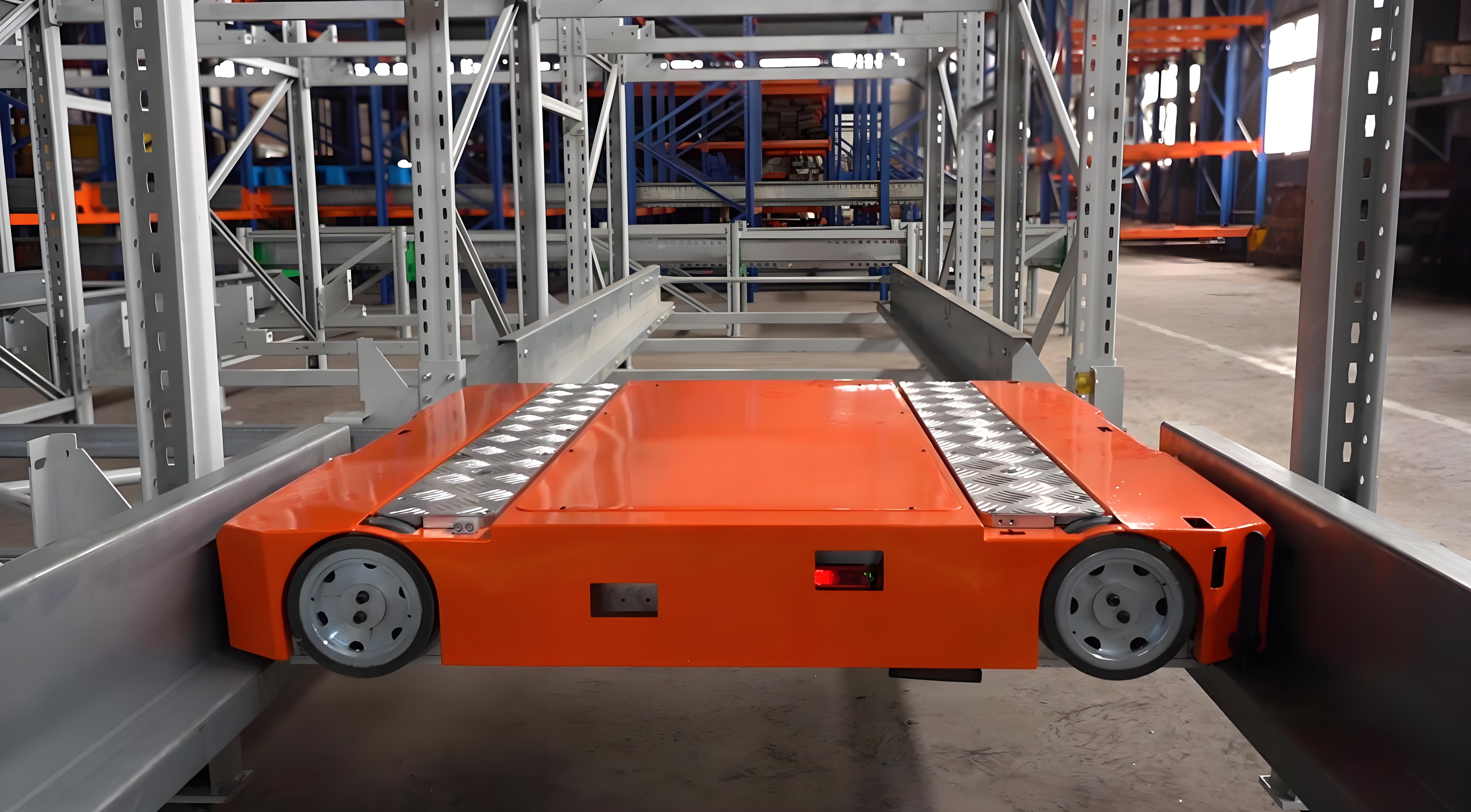

Integrated Warehouse Rack Project in Morocco | Rack Supported Warehouse
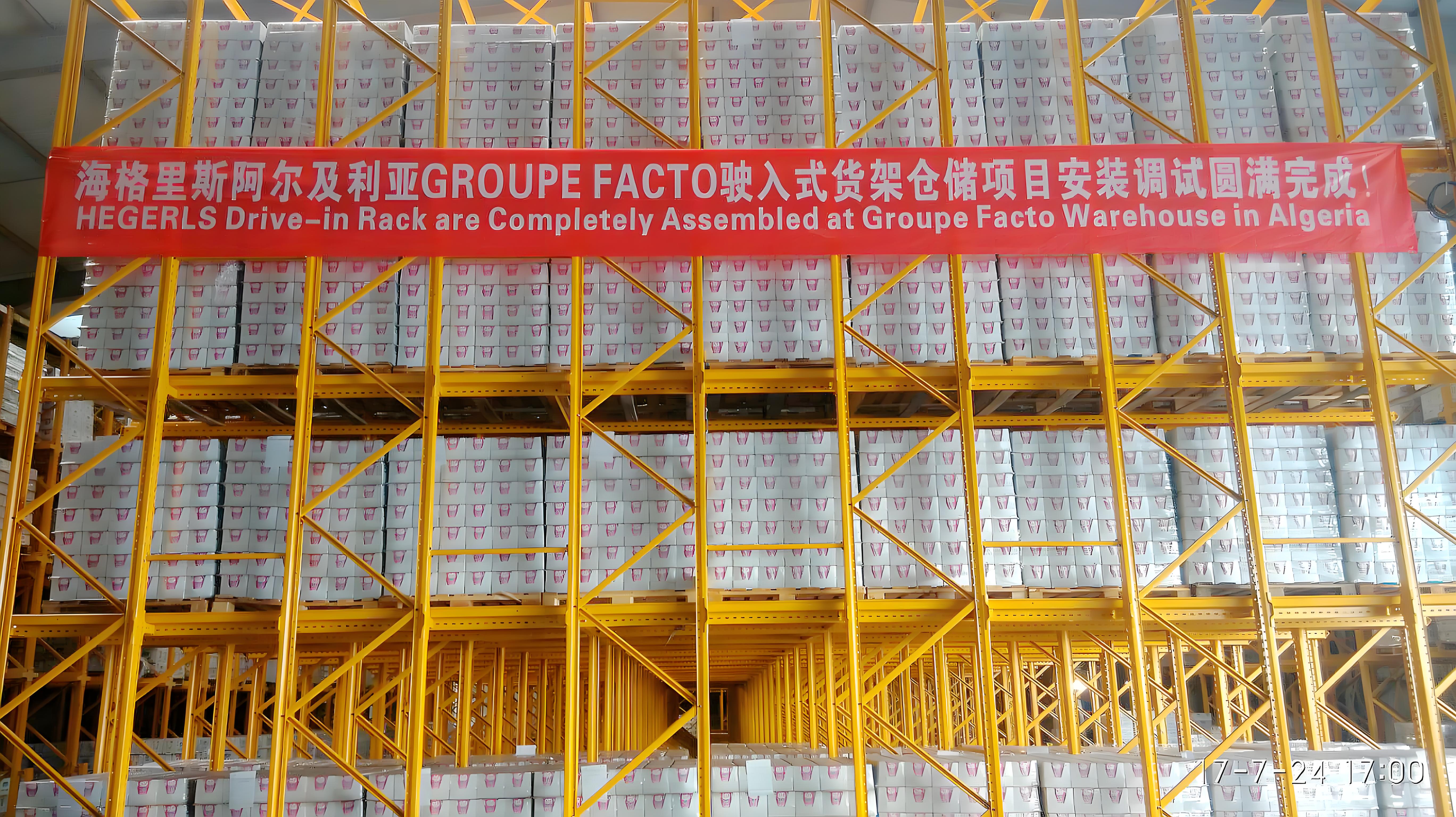
Algeria FACTO Group Storage Project
Related Products

MOBILE: +86 133 1595 3337
E-mails: hgls-wm@hbgysw.com
Office: Room 1118, Building No.6, Tatan Mall, Tatong Street, Shijiazhuang, China
Production base: 68 Shidai Road,Xinhe Industrial Park,Hebei Province
Website: https://www.woke-hercules.com



All rights reserved©2025 Hebei Woke Metal Products Co., ltd.