

-
SOLUTIONSIn recent years, “Hegerls" HD shuttle storage system have improved, upgraded, more intelligent, flexible, and more systematic, which can meet the different needs of customers in various industries.
 SERVICE
 -
-
R & DObtained more than ten national patents for automated logistics warehousing equipment such as shuttle cars, stackers, and mobile shelves, awarded SGS, BV, and TUV international product quality inspection agency certificates, as well as the "Quality, Environment, Health" ISO three major system certification certificates.
SERVICE
-
PROJECTSAfter Haigelis entered the international market in 2011, it exported supermarket equipment, warehousing equipment, and related supporting products to countries and regions such as North America, South America, Europe, Southeast Asia, and Africa. In recent years, the company has increased its efforts in the research and development of automated warehousing equipment.
SERVICE
-
BlogProfessional articles, guides, and insights on warehouse racking and automated storage systems.
SERVICE
-
HEGERLSIt's developed over 20 years, our company has become a one-stop integrated service provider of warehousing and logistics, integrating warehousing and logistics project design...
SERVICE

APPLICATION
Warehouse Automation Technology: The Complete Guide to Smart Warehousing
Classification:
Industry Info
Release time:
2026-03-19
The global logistics industry is undergoing a massive transformation driven by warehouse automation technology. As order volumes surge and customer expectations shift toward faster delivery, traditional warehouse operations are no longer sufficient.
Today, companies are adopting automated warehouse systems, warehouse robotics, and smart warehouse technology to increase efficiency, reduce costs, and gain a competitive advantage.
According to MarketsandMarkets, the global warehouse automation market is projected to surpass $40 billion by 2030, with strong growth driven by e-commerce, manufacturing, and third-party logistics sectors.
This comprehensive guide explores everything you need to know about warehouse automation technology, from system types and benefits to real-world applications and future trends.
What Is Warehouse Automation Technology?
Warehouse automation technology refers to the use of advanced equipment, robotics, and software to automate warehouse processes such as:
- storage
- retrieval
- picking
- packing
- inventory management
- shipping
Modern warehouse automation systems integrate hardware and software, including:
- Automated storage and retrieval systems (ASRS)
- Warehouse robotics (AGVs, AMRs)
- Conveyor and sorting systems
- Warehouse Management Systems (WMS)
- Warehouse Control Systems (WCS)
These technologies create a smart warehouse ecosystem where operations are optimized in real time.

Why Is Warehouse Automation Technology Important?
1. Labor Shortages and Rising Costs
Labor shortages are one of the biggest challenges in logistics. Automation reduces dependency on manual labor while improving consistency and productivity.
2. Growth of E-commerce
- E-commerce companies require:
- faster order fulfillment
- high accuracy
- flexible operations
Automation helps meet these demands.
3. Need for Operational Efficiency
Manual warehouses often suffer from inefficiencies such as:
- long picking times
- high error rates
- poor space utilization
Automation addresses all of these issues.
4. Demand for Scalability
Modern warehouses must scale quickly. Automated systems allow businesses to expand capacity without major operational disruptions.
What Are the Main Types of Warehouse Automation Systems?
1. Automated Storage and Retrieval Systems (ASRS)
ASRS warehouse systems use cranes, shuttles, or robots to automatically store and retrieve goods.
Key Features:
- high storage density
- automated operations
- reduced labor

2. Warehouse Robotics
Warehouse robotics includes:
- Autonomous Mobile Robots (AMRs)
- Automated Guided Vehicles (AGVs)
- robotic picking systems
- robotic palletizers
These robots improve efficiency and reduce manual handling.
3. Conveyor and Sorting Systems
Conveyors transport goods between different warehouse zones.
Benefits include:
- faster material flow
- reduced handling time
- improved workflow efficiency
4. Shuttle Systems
Four-way shuttle systems enable:
- high-density pallet storage
- flexible warehouse layouts
- scalable automation
They are widely used in manufacturing and logistics warehouses.
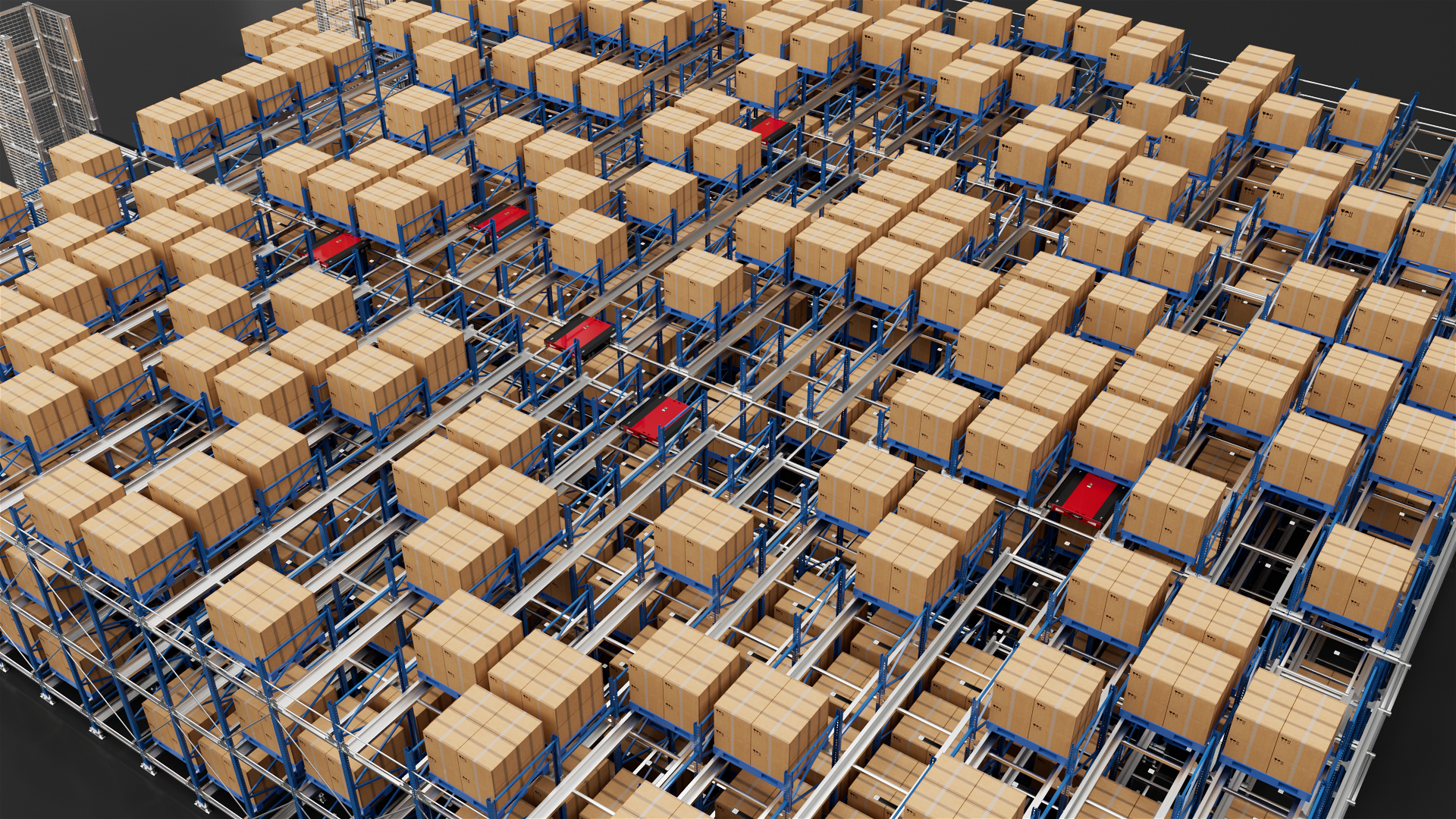
Comparison of Automation Technologies
| Technology | Function | Best Use Case | Key Advantage |
|---|---|---|---|
| ASRS | Storage & retrieval | High-volume warehouses | High efficiency |
| Robotics | Picking & transport | E-commerce | Flexibility |
| Conveyor | Transport | Distribution centers | Continuous flow |
| Shuttle | High-density storage | Manufacturing | Space optimization |
How Does Warehouse Automation Technology Work?
A modern automated warehouse operates through integrated systems.
Typical Workflow:
- Goods arrive and are scanned
- WMS assigns storage location
- Automated systems store goods
- Orders are processed
- Robots or shuttles retrieve items
- Conveyor systems transport goods
- Orders are packed and shipped
What Are the Benefits of Warehouse Automation Technology?
1. Increased Efficiency
Automation reduces processing time and improves throughput.
2. Higher Accuracy
Automated systems reduce human error, achieving up to 99.9% accuracy.
3. Reduced Labor Costs
Labor costs can be reduced by 30–70% depending on automation level.
4. Better Space Utilization
High-density systems maximize storage capacity.
5. Improved Safety
Automation reduces workplace accidents.
Benefits Overview Table
| Benefit | Impact |
|---|---|
| Efficiency | Faster operations |
| Accuracy | Fewer errors |
| Cost | Lower labor costs |
| Space | Higher storage density |
| Safety | Reduced risk |
What Industries Use Warehouse Automation Technology?
1. E-commerce
Requires fast picking and high throughput.
2. Manufacturing
Manages raw materials and finished goods.
3. Automotive
Handles spare parts and heavy inventory.
4. Food & Beverage
Uses cold storage automation.
5. Third-Party Logistics (3PL)
Supports multiple clients and flexible operations.
Real-World Warehouse Automation Case Study
A manufacturing company implemented warehouse automation technology using ASRS and shuttle systems.
| Metric | Before | After |
|---|---|---|
| Storage Capacity | 20,000 pallets | 60,000 pallets |
| Labor Cost | High | Reduced 40% |
| Inventory Accuracy | 95% | 99.8% |
| Processing Speed | Moderate | +50% |
How to Choose the Right Warehouse Automation Solution?
Choosing the right warehouse automation technology is a strategic decision that directly impacts efficiency, scalability, and ROI.
To simplify the process, here is a clear decision framework used by leading warehouse automation companies.
Step-by-Step Warehouse Automation Decision Process
Step 1: Identify Your Storage Type
- Pallets → Shuttle system / ASRS
- Bins & small items → Mini-load ASRS / robotic picking
- Large or irregular items → Cantilever + robotic handling
Step 2: Define Throughput Requirements
| Throughput Level | Recommendation |
|---|---|
| Low (manual support acceptable) | Basic racking + partial automation |
| Medium | Conveyor + robotics |
| High (24/7 operations) | ASRS + shuttle + full automation |
Step 3: Evaluate Space & Layout
- Limited space → High-density automation
- High ceiling → ASRS warehouse
- Irregular building → Flexible shuttle or robotics
Step 4: Set Budget & ROI Expectations
- Low budget → Semi-automation
- Medium budget → Shuttle systems
- High investment → Fully automated warehouse
Step 5: Plan for Scalability
- Choose systems that allow:
- adding robots
- expanding racks
- upgrading software
Warehouse Automation Selection Flow
If you want a quick answer:
- Need high density? → Choose shuttle system or ASRS
- Need flexibility? → Choose warehouse robotics (AMRs/AGVs)
- Need speed? → Combine robotics + conveyor systems
- Need full automation? → Choose ASRS + WMS + WCS integration
Warehouse Automation Solution Comparison Matrix
| Solution Type | Best For | Cost Level | Scalability | Efficiency |
|---|---|---|---|---|
| Selective Racking | Small warehouses | Low | Low | Low |
| Conveyor System | Medium operations | Medium | Medium | Medium |
| Warehouse Robotics | E-commerce | Medium–High | High | High |
| Shuttle System | Manufacturing | Medium–High | High | Very High |
| ASRS Warehouse | Large-scale logistics | High | Very High | Maximum |
Best Warehouse Automation Solution by Use Case
Best Warehouse Automation Technology for Manufacturing
- Shuttle systems
- ASRS warehouse
- pallet automation
Why: High-density storage + bulk handling efficiency
Best Warehouse Automation Solution for E-commerce
- warehouse robotics (AMRs)
- conveyor and sorting systems
- AI warehouse software
Why: Fast picking + high order volume
Best Warehouse Automation for Small Warehouses
- vertical storage systems
- compact ASRS
- modular automation
Why: Space optimization with lower investment
Best Warehouse Automation for Cold Storage
- high-density ASRS
- automated pallet systems
Why: Reduce human exposure and increase efficiency
Best Warehouse Automation for 3PL Logistics
- flexible robotics
- scalable automation systems
Why: Multi-client adaptability

Common Mistakes to Avoid
Many companies fail to maximize the benefits of warehouse automation technology due to poor planning.
Avoid These Mistakes:
❌ Choosing technology without analyzing operations
❌ Ignoring scalability
❌ Underestimating software integration
❌ Focusing only on cost, not ROI
❌ Selecting inexperienced vendors
Expert Checklist for Decision Makers
Before choosing your system, confirm:
✔ Warehouse size and layout analyzed
✔ SKU and inventory type defined
✔ Throughput requirements calculated
✔ ROI estimated
✔ Automation partner evaluated
Pro Insight
Companies that align warehouse automation solutions with operational data and scalability planning achieve:
- 30–50% higher efficiency gains
- faster ROI realization
- lower implementation risk
Need Help Choosing the Right Warehouse Automation Solution?
Selecting the right system can be complex—but you don’t have to do it alone.
HEGERLS provides customized warehouse automation solutions tailored to your:
- warehouse layout
- industry requirements
- throughput needs
- budget and ROI goals
Get Expert Guidance Today
📩 Contact our automation specialists to receive:
- Free warehouse assessment
- Customized automation solution design
- ROI and efficiency analysis
👉 Request Your Free Warehouse Automation Consultation Now

What Is the ROI of Warehouse Automation Technology?
One of the most critical questions for decision-makers is whether warehouse automation technology delivers a strong return on investment (ROI). While the initial investment can be significant, the long-term financial and operational benefits often outweigh the upfront costs.
Key ROI Drivers
1. Labor Cost Reduction
Labor accounts for 50–70% of total warehouse operating costs. By implementing automated warehouse systems, companies can significantly reduce dependency on manual labor.
- Reduced hiring and training costs
- Lower overtime expenses
- Minimized human error-related losses
2. Space Optimization
Automation enables high-density storage, allowing businesses to:
- reduce warehouse footprint
- delay or eliminate expansion costs
- increase storage capacity within existing facilities
3. Throughput Improvement
Automated systems increase processing speed, leading to:
- faster order fulfillment
- higher daily output
- improved customer satisfaction
4. Error Reduction
Traditional warehouses often have error rates of 1–3%, while automated systems can reduce this to less than 0.1%, significantly lowering returns and reprocessing costs.
ROI Calculation Example
| Cost / Benefit Factor | Impact |
|---|---|
| Labor savings | 30–70% reduction |
| Space utilization | +80% to +300% |
| Order accuracy | Up to 99.9% |
| Throughput increase | 20–50% |
| ROI timeline | Typically 2–5 years |
Long-Term Value
Beyond direct financial returns, warehouse automation technology provides strategic value:
- scalability for future growth
- improved supply chain resilience
- enhanced data-driven decision-making
What Are the Challenges of Warehouse Automation?
While automation offers significant benefits, it also comes with challenges that must be carefully managed.
1. High Initial Investment
Automation systems such as ASRS warehouses and warehouse robotics require substantial upfront capital.
Solution:
Phased implementation and modular systems (e.g., shuttle systems) allow gradual investment.
2. System Integration Complexity
Integrating WMS, WCS, robotics, and existing ERP systems can be complex.
Solution:
Choose experienced warehouse automation companies with strong system integration capabilities.
3. Maintenance and Technical Expertise
Automated systems require ongoing maintenance and skilled technicians.
Solution:
- implement preventive maintenance strategies
- train internal teams
- partner with solution providers for support
4. Change Management
Employees may resist automation due to concerns about job security.
Solution:
- provide training and upskilling
- reposition staff into higher-value roles
What Are the Future Trends in Warehouse Automation Technology?
The evolution of warehouse automation technology is accelerating, driven by innovation in AI, robotics, and data analytics.
1. AI-Driven Smart Warehouses
Artificial intelligence will enable:
- predictive inventory management
- real-time decision-making
- dynamic workflow optimization

2. Fully Autonomous Warehouses
Future warehouses will operate with minimal human intervention, powered by:
- AI
- robotics
- IoT systems
3. Digital Twin Technology
Digital twins create virtual replicas of warehouses, allowing:
- simulation of operations
- real-time optimization
- predictive performance analysis
4. Advanced Robotics
Next-generation robots will:
- handle complex picking tasks
- adapt to different product types
- collaborate with humans safely
5. Sustainable Warehouse Automation
Energy-efficient systems and smart power management will reduce environmental impact.
How Does Warehouse Automation Enable Smart Warehouses?
A smart warehouse is a fully connected, data-driven environment powered by automation and intelligent systems.
Key Technologies Behind Smart Warehouses
- IoT sensors for real-time tracking
- AI analytics for decision-making
- robotics for execution
- cloud-based systems for scalability
Smart Warehouse Capabilities
| Capability | Description |
|---|---|
| Real-time visibility | Monitor inventory and operations instantly |
| Predictive analytics | Forecast demand and optimize stock |
| Autonomous operations | Minimal manual intervention |
| Data-driven optimization | Continuous improvement |
Impact on Operations
Smart warehouses powered by warehouse automation technology can:
- reduce delays
- improve accuracy
- enhance responsiveness
- optimize resource utilization
Why Are Businesses Investing in Warehouse Automation Technology?
The adoption of warehouse automation solutions is accelerating globally due to several strategic drivers.
1. Competitive Pressure
Companies must deliver faster and more accurately to remain competitive.
2. E-commerce Growth
Online retail requires:
- rapid fulfillment
- high order accuracy
- flexible operations
3. Labor Market Challenges
Automation addresses:
- labor shortages
- rising wages
- workforce instability
4. Demand for Scalability
Automation enables businesses to scale operations without proportional cost increases.
5. Digital Transformation
Warehouse automation is a key component of broader supply chain digitalization strategies.
Conclusion: Is Warehouse Automation Technology the Future?
The answer is clear: warehouse automation technology is no longer optional—it is essential.
Companies that adopt automation gain:
- higher efficiency
- lower costs
- better scalability
- stronger competitive positioning
As technologies such as AI, robotics, and smart warehouse systems continue to evolve, the future of logistics will be defined by intelligent automation.
Ready to Transform Your Warehouse with Automation Technology?
Modern logistics requires fast, accurate, and scalable warehouse operations.
With advanced warehouse automation technology, your business can significantly improve efficiency, reduce costs, and maximize storage capacity.
HEGERLS provides complete warehouse automation solutions, including:
- ASRS automated warehouse systems
- two-way, four-way and six-way shuttle systems
- warehouse robotics solutions
- intelligent WMS and WCS integration
What You Can Achieve
| Area | Result |
|---|---|
| Storage Capacity | Increase up to 300% |
| Efficiency | Improve 2–4× |
| Accuracy | Up to 99.9% |
| Labor Cost | Reduce 40–70% |
Get Your Free Automation Plan
📩 Contact HEGERLS today to receive:
- Free warehouse automation consultation
- Customized system design
- ROI analysis report
👉 Request Your Free Warehouse Automation Solution Now
Key words:
warehouse automation,smart warehouse,warehouse robotics,ASRS,logistics automation
Related Solutions
Related Cases
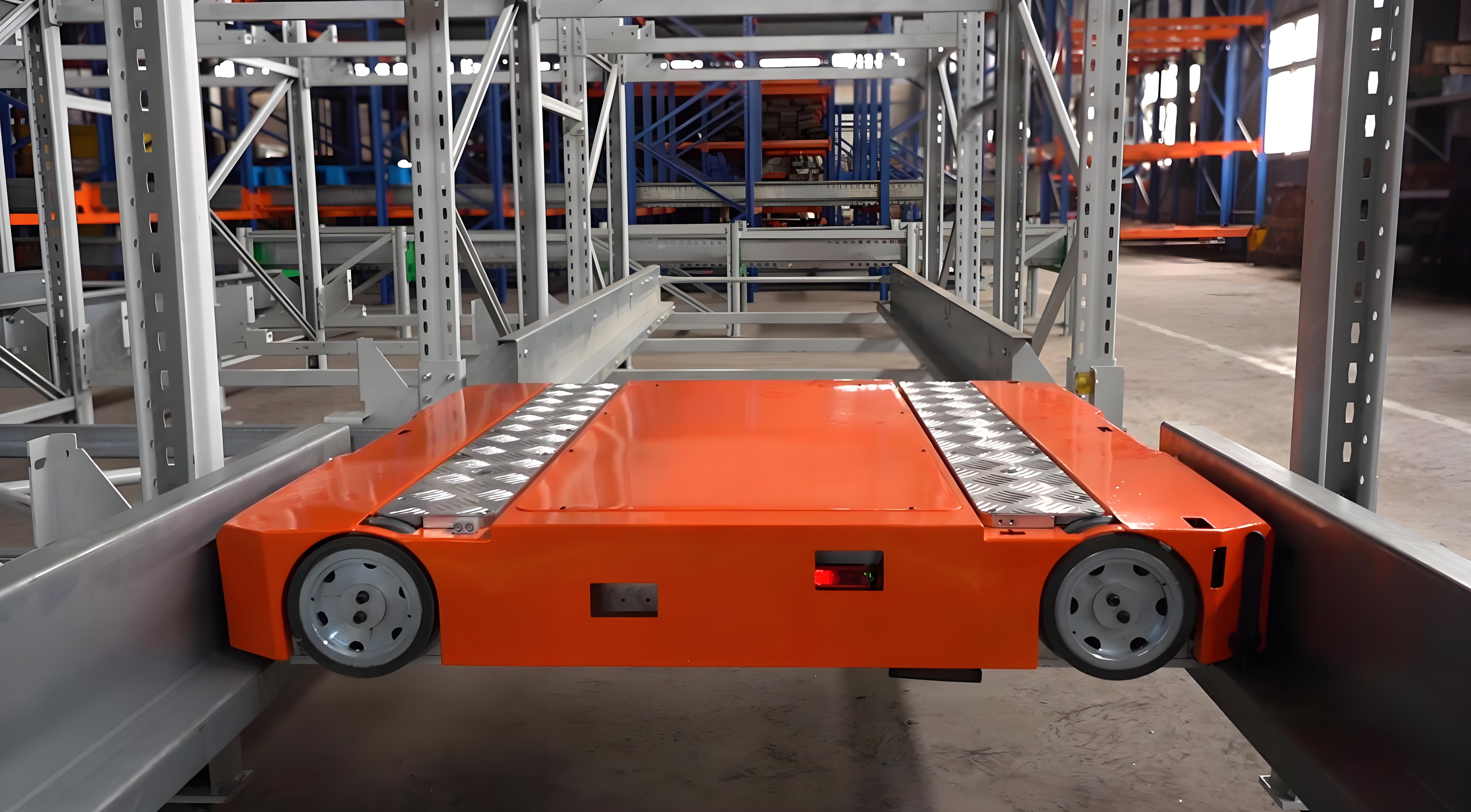

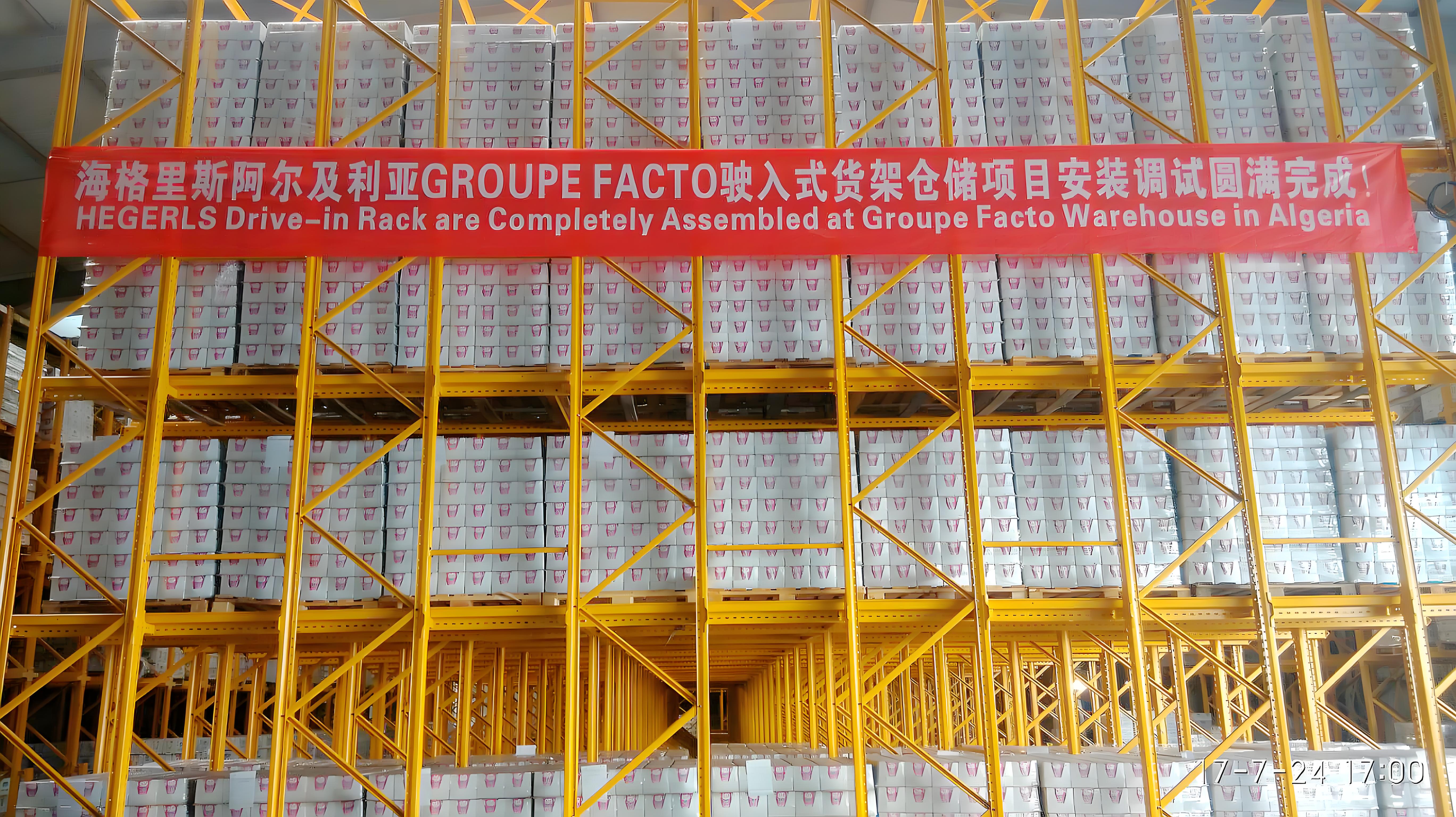
Algeria FACTO Group Storage Project
Related Products

MOBILE: +86 133 1595 3337
E-mails: hgls-wm@hbgysw.com
Office: Room 1118, Building No.6, Tatan Mall, Tatong Street, Shijiazhuang, China
Production base: 68 Shidai Road,Xinhe Industrial Park,Hebei Province
Website: https://www.woke-hercules.com



All rights reserved©2025 Hebei Woke Metal Products Co., ltd.