

-
SOLUTIONSIn recent years, “Hegerls" HD shuttle storage system have improved, upgraded, more intelligent, flexible, and more systematic, which can meet the different needs of customers in various industries.
 SERVICE
-
-
R & DObtained more than ten national patents for automated logistics warehousing equipment such as shuttle cars, stackers, and mobile shelves, awarded SGS, BV, and TUV international product quality inspection agency certificates, as well as the "Quality, Environment, Health" ISO three major system certification certificates.
SERVICE
-
PROJECTSAfter Haigelis entered the international market in 2011, it exported supermarket equipment, warehousing equipment, and related supporting products to countries and regions such as North America, South America, Europe, Southeast Asia, and Africa. In recent years, the company has increased its efforts in the research and development of automated warehousing equipment.
SERVICE
-
BlogProfessional articles, guides, and insights on warehouse racking and automated storage systems.
SERVICE
-
HEGERLSIt's developed over 20 years, our company has become a one-stop integrated service provider of warehousing and logistics, integrating warehousing and logistics project design...
SERVICE

APPLICATION
Warehouse Robotics: How Intelligent Automation Is Reshaping Global Storage and Logistics
Classification:
Industry Info
Release time:
2025-12-05
As global supply chains accelerate and the demand for faster, more precise fulfillment continues to rise, warehouse robotics has become one of the most transformative forces in modern logistics. From autonomous mobile robots (AMRs) to pallet-handling shuttles and AI-driven control systems, robotics is no longer a futuristic vision — it is now the operational backbone of high-performance warehouses worldwide.
HEGERLS, as a leader in automated storage systems and intelligent warehouse engineering, has been at the forefront of adopting and integrating robotics across high-density facilities, cold storage, and next-generation distribution centers. This article explores the latest trends, technologies, and business impacts of warehouse robotics — and why global enterprises are accelerating investment at unprecedented speed.

The Rise of Warehouse Robotics: A New Industrial Standard
Warehouse robotics refers to the use of automated machines and intelligent systems to perform material handling tasks such as:
- Picking
- Transporting
- Palletizing
- Depalletizing
- Sorting
- High-density storage and retrieval
Unlike traditional automation, modern warehouse robotics combines AI algorithms, real-time sensors, and flexible mobility, enabling machines to adapt to unpredictable environments and dynamic workflows.
Several factors are driving the surge in global adoption:
1. Labor Shortages & Increasing Labor Costs
Many regions are experiencing a critical shortage of warehouse workers. Robotics helps fill the gap by automating repetitive, hazardous, or labor-intensive tasks.
2. E-Commerce Growth
Short lead times, same-day delivery expectations, and SKU proliferation make manual handling insufficient for modern fulfillment requirements.
3. Shift Toward High-Density Storage
Distribution centers increasingly rely on automation-ready designs such as:
- Four-way pallet shuttle systems
- Stacker crane AS/RS
- Vertical storage solutions
These systems require integrated robotics to achieve optimal throughput.
4. Safety & Operational Stability
Robots reduce accidents, improve process predictability, and maintain consistent performance during peak seasons.
Types of Warehouse Robotics Transforming Global Logistics
Modern warehouses deploy a wide range of robotic technologies. The following categories represent the most impactful systems currently shaping the industry.
1. Autonomous Mobile Robots (AMRs)
AMRs use onboard sensors, LiDAR, and AI navigation to autonomously move goods without fixed pathways. Key applications include:
- Goods-to-person picking
- Material transport
- Order consolidation
- Parts delivery in manufacturing
Advantages:
- High flexibility
- Fast deployment
- Scalable fleets
- Lower infrastructure cost than AGVs
HEGERLS integrates AMRs with WMS/WCS systems to support synchronized picking and automated replenishment.

2. Automated Guided Vehicles (AGVs)
AGVs follow magnetic tapes, QR codes, or fixed routes to transport pallets and goods in predictable environments.
Common use cases:
- Pallet transport
- Production line delivery
- Cold storage pallet movement
AGVs excel in environments requiring repeatable, stable, high-load movement.
3. Pallet Shuttle Systems
HEGERLS is widely recognized for its expertise in:
- Four-way pallet shuttles
- Six-way pallet shuttles
- Two-way pallet shuttles
Equipped with sensors and smart control, pallet shuttles autonomously:
- Store and retrieve pallets
- Move horizontally and vertically
- Work cooperatively across aisles
- Improve stock rotation speed
These shuttles are essential for high-density pallet storage, especially in cold storage, FMCG, and manufacturing.
4. Stacker Crane Systems
Stacker cranes are core components of AS/RS solutions, performing ultra-fast pallet storage and retrieval up to heights of 25–45 meters.
HEGERLS stacker cranes feature:
- High-speed travel
- Precise positioning
- Low vibration engineering
- Compatibility with clad-rack warehouses
These systems deliver unmatched throughput in large distribution centers.

5. Robotic Picking Arms
AI-powered picking robots equipped with 3D vision systems can handle items in totes, cartons, or conveyor flows.
Capabilities include:
- Piece picking
- Mixed case preparation
- E-commerce order fulfillment
Advanced gripping technology increases accuracy across a wider SKU profile.
How Robotics Improves Warehouse Operations
Warehouse robotics delivers measurable operational advantages across the entire supply chain.
1. Higher Throughput and Faster Order Fulfillment
Robots operate continuously without fatigue, enabling 24/7 operations and significantly higher pallet and item movement rates.
2. Reduced Operational Costs
Robotics reduces labor dependency and lowers long-term overhead through:
- Reduced staffing needs
- Higher energy efficiency
- Lower damage rates
- Fewer errors and returns
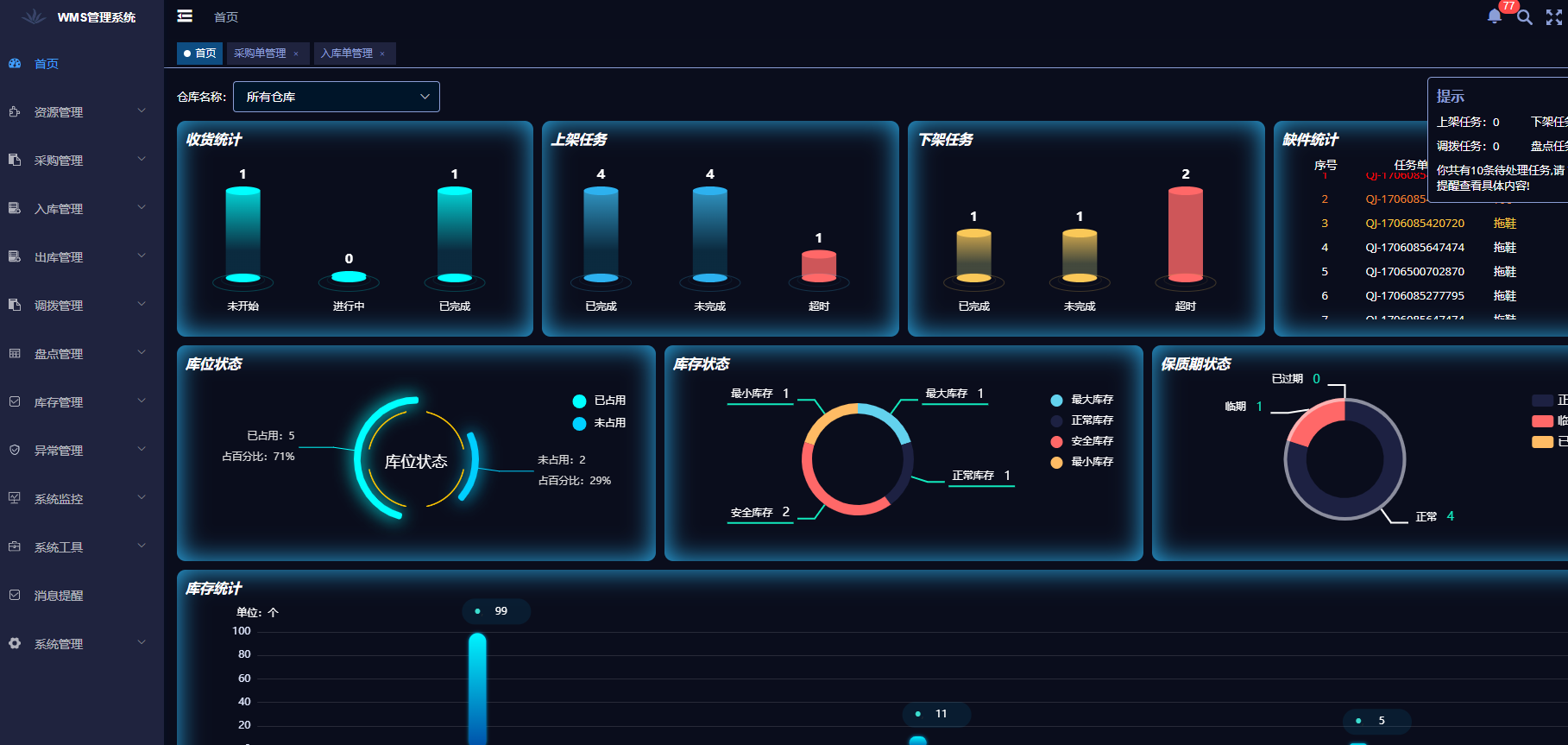
3. Improved Accuracy and Real-Time Inventory Visibility
Integrated robotics and WMS systems give warehouses:
- Accurate stock levels
- Automated tracking
- Detailed operation logs
- Digital twin visibility
This accuracy drives smarter decision-making and prevents costly out-of-stock or overstock events.
4. Enhanced Safety and Risk Reduction
Robots significantly reduce risks by taking over:
- Heavy lifting
- High-altitude operations
- Hazardous cold storage tasks
- Repetitive motions that cause injuries
5. Scalability and Rapid Deployment
Robotic systems scale easily as SKU volumes or order counts increase. Modular solutions allow warehouses to expand automation without major infrastructure modifications.
Industry Trends: The Future of Warehouse Robotics
Warehouse robotics continues to evolve rapidly. Key trends include:
1. AI-Driven Predictive Maintenance
Robots equipped with IoT sensors can detect mechanical issues before they occur — reducing downtime and extending equipment lifespan.
2. Robotics-as-a-Service (RaaS)
Leasing robotic systems with flexible monthly plans reduces capital expenditure and accelerates adoption.
3. Advanced Gripping Technology
HEGERLS’ own gripping technology improves handling precision, enabling robots to manage more SKUs across irregular shapes and materials.
4. Integration of AMRs + Shuttle + ASRS Hybrid Systems
Future warehouses increasingly deploy hybrid automated ecosystems combining:
- Shuttles for deep-lane storage
- AMRs for horizontal movement
- Stacker cranes for vertical retrieval
Such systems deliver unmatched throughput and flexibility.
5. Clad-Rack Warehousing & Robotics Integration
As high-bay clad-rack warehouses grow globally, robotics plays a central role in delivering vertical density and automation cohesion.

HEGERLS: A Global Leader in Warehouse Robotics Integration
HEGERLS delivers full-stack robotic integration across warehousing environments. Key strengths include:
Complete in-house engineering
From structural racks to fully automated systems.
A comprehensive product portfolio
AMRs, pallet shuttles, stacker cranes, intelligent racking, and more.
Proprietary software
- CC-WMS (Warehouse Management System)
- YUNTU-WCS (Warehouse Control System)
These systems orchestrate robotic movement with precision.
Proven experience across industries
Cold chain, FMCG, e-commerce, automotive, manufacturing, pharmaceuticals, and 3PL.
Real-World Applications of HEGERLS Warehouse Robotics
Cold Storage (-25°C)
Robots eliminate human exposure to extreme environments and drastically reduce energy consumption.
Automated Distribution Centers
High-speed throughput ensures reliable supply to retail, e-commerce, and manufacturing networks.
Manufacturing Plants
Robots streamline line feeding, finished goods storage, and parts handling.
3PL Fulfillment
Automation improves responsiveness during peak seasons and multi-client operations.

Challenges and Considerations for Warehouse Robotics Adoption
Adopting robotics requires strategic planning. Key considerations include:
- Layout optimization
- Power requirements
- Racking compatibility
- IT infrastructure
- WMS/WCS integration
- Safety protocols
- ROI calculation
HEGERLS provides full consulting, simulation, and engineering support to guide companies through this process.
Conclusion: Warehouse Robotics Is Now a Strategic Imperative
As supply chains continue to digitize and customer expectations climb, warehouse robotics is no longer an optional upgrade — it is a necessity. Enterprises adopting robotics today gain:
- Higher productivity
- Lower cost per pallet
- Greater operational stability
- Faster fulfillment
- A competitive advantage in global markets
With its powerful portfolio of pallet shuttles, AMRs, stacker cranes, and intelligent software, HEGERLS is helping companies build the future of logistics — one smart warehouse at a time.
Ready to Upgrade Your Warehouse with Robotics? Contact HEGERLS for a Customized Automation Plan.
Key words:
warehouse robotics,automated storage systems,robotic picking solutions,shuttle automation,smart warehousing
Related Solutions
Related Cases
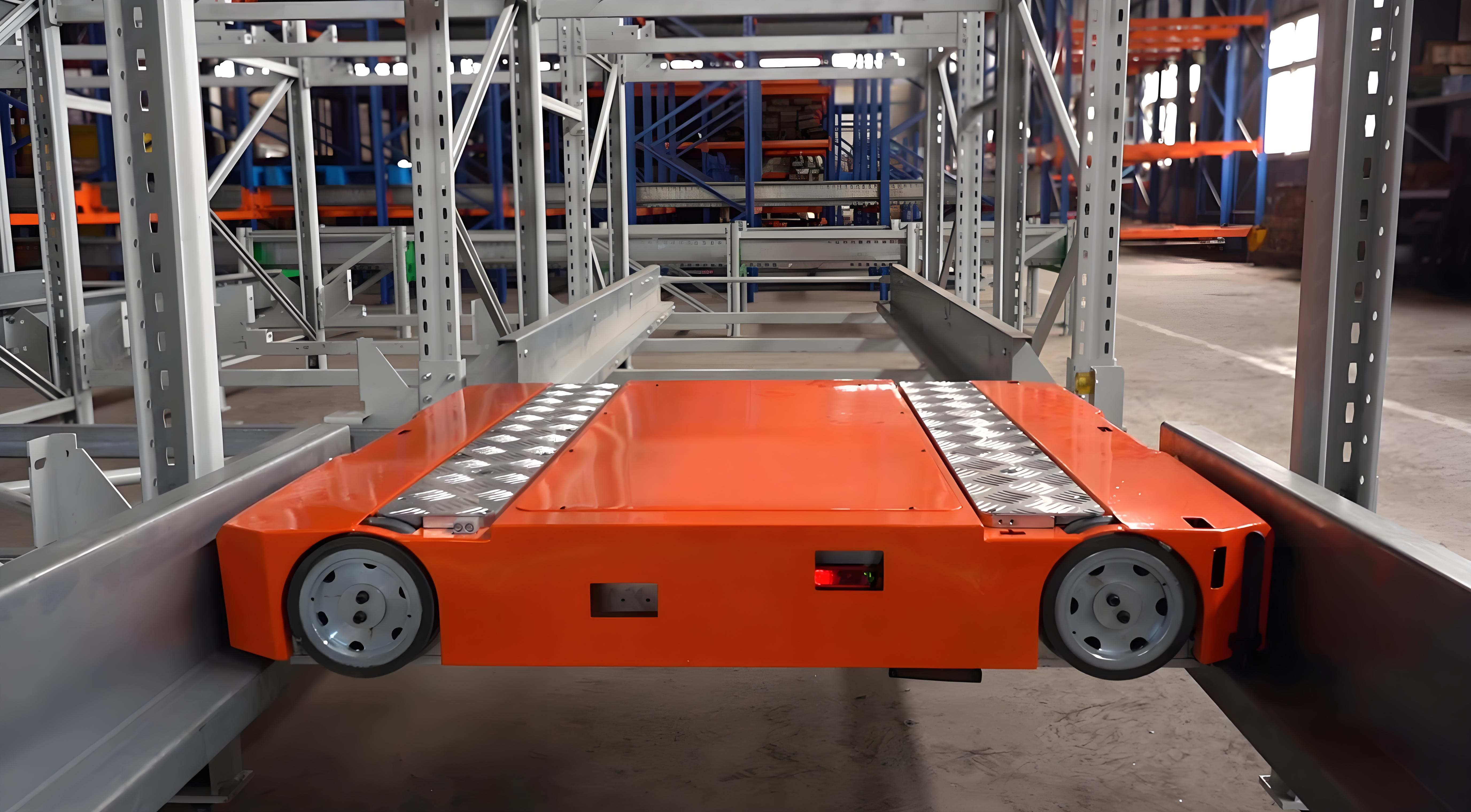

Integrated Warehouse Rack Project in Morocco | Rack Supported Warehouse
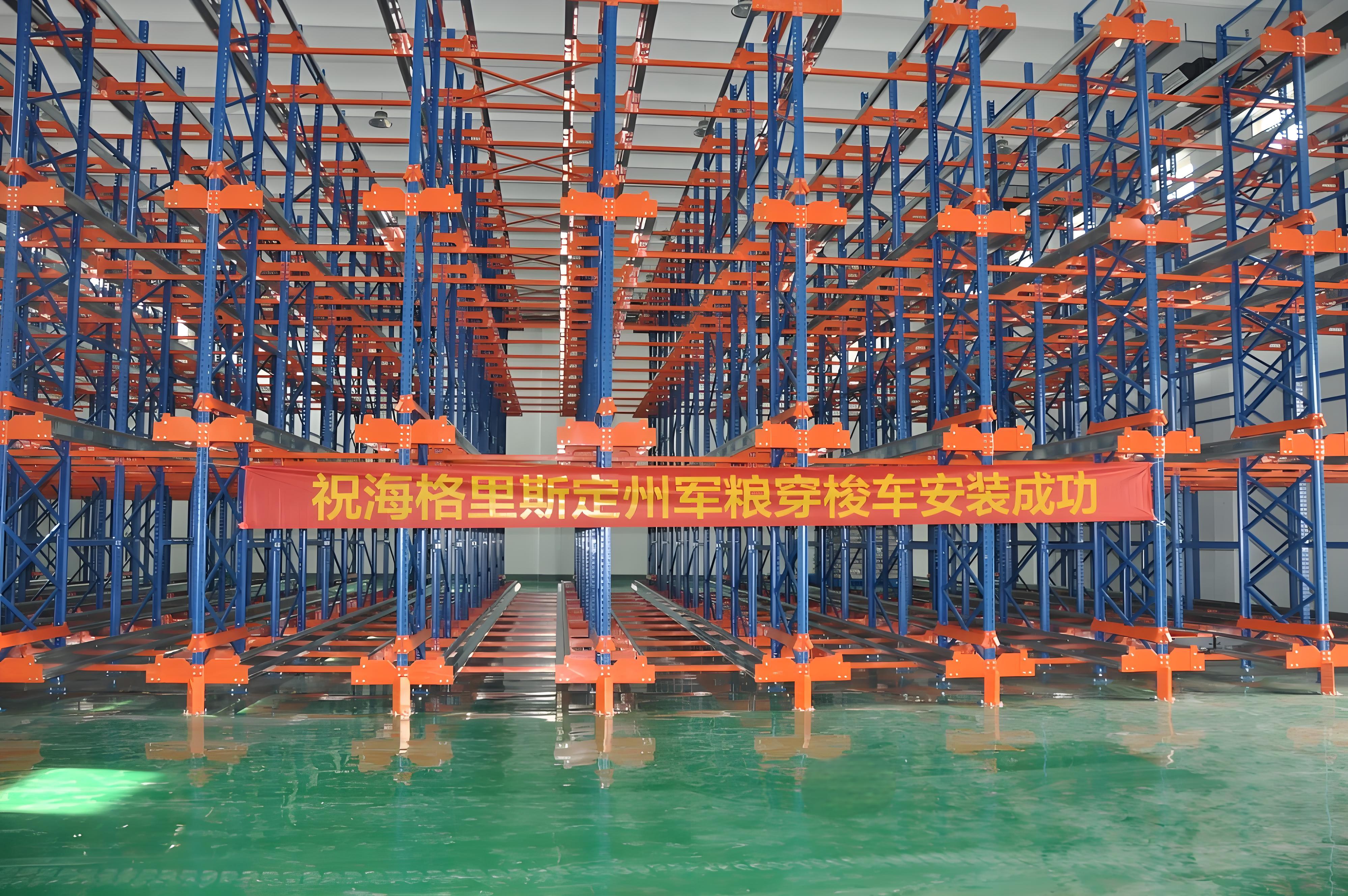
Hebei Dingzhou Garrison Reserve Grain Depot Shuttle Car Shelf System Storage Project
Related Products

MOBILE: +86 133 1595 3337
E-mails: hgls-wm@hbgysw.com
Office: Room 1118, Building No.6, Tatan Mall, Tatong Street, Shijiazhuang, China
Production base: 68 Shidai Road,Xinhe Industrial Park,Hebei Province
Website: https://www.woke-hercules.com



All rights reserved©2025 Hebei Woke Metal Products Co., ltd.