

-
SOLUTIONSIn recent years, “Hegerls" HD shuttle storage system have improved, upgraded, more intelligent, flexible, and more systematic, which can meet the different needs of customers in various industries.
 SERVICE
 -
-
R & DObtained more than ten national patents for automated logistics warehousing equipment such as shuttle cars, stackers, and mobile shelves, awarded SGS, BV, and TUV international product quality inspection agency certificates, as well as the "Quality, Environment, Health" ISO three major system certification certificates.
SERVICE
-
PROJECTSAfter Haigelis entered the international market in 2011, it exported supermarket equipment, warehousing equipment, and related supporting products to countries and regions such as North America, South America, Europe, Southeast Asia, and Africa. In recent years, the company has increased its efforts in the research and development of automated warehousing equipment.
SERVICE
-
BlogProfessional articles, guides, and insights on warehouse racking and automated storage systems.
SERVICE
-
HEGERLSIt's developed over 20 years, our company has become a one-stop integrated service provider of warehousing and logistics, integrating warehousing and logistics project design...
SERVICE

APPLICATION
Material Handling Equipment in Warehouse: Complete Guide to Efficient Storage and Logistics
Classification:
Industry Info
Release time:
2026-04-02
In modern logistics and supply chain operations, material handling equipment in warehouse environments plays a crucial role in improving efficiency, reducing labor costs, and optimizing space utilization.
From manual tools to fully automated material handling systems, warehouses are evolving into smart, technology-driven facilities.
This guide explores the types, applications, benefits, and future trends of warehouse material handling equipment to help businesses choose the right solution.

What Is Material Handling Equipment in Warehouse?
Definition
Material handling equipment in warehouse refers to tools, machines, and systems used to move, store, control, and protect goods throughout the warehouse lifecycle.
Core Functions
- transportation of goods
- storage and retrieval
- order picking
- inventory control
What Are the Main Types of Warehouse Material Handling Equipment?
Material handling equipment can be categorized into four main types:
1. Storage Equipment
Used for storing goods efficiently.
Examples:
- pallet racking systems
- shelving systems
- vertical storage systems
- mezzanine floors

2. Transport Equipment
Used to move materials within the warehouse.
Examples:
- forklifts
- pallet jacks
- conveyors
- AGVs (Automated Guided Vehicles)
3. Positioning Equipment
Used to handle materials at a workstation.
Examples:
- lift tables
- hoists
- cranes
4. Automated Material Handling Systems
Advanced systems that automate warehouse operations.
Examples:
- ASRS (Automated Storage and Retrieval Systems)
- shuttle systems
- robotic picking systems
Comparison Table: Manual vs Automated Equipment
| Feature | Manual Equipment | Automated Systems |
|---|---|---|
| Cost | Low | High |
| Efficiency | Medium | High |
| Labor | High | Low |
| Accuracy | Medium | Very High |
Why Is Material Handling Equipment Important in Warehouses?
1. Improves Efficiency
Efficient handling reduces operation time.
👉 Productivity increase: 20–50%
2. Reduces Labor Costs
Automation minimizes manual work.
👉 Labor cost reduction: 30–60%
3. Enhances Safety
- reduces manual lifting
- minimizes accidents
4. Maximizes Storage Space
- better layout design
- vertical space utilization

Automated Material Handling Systems in Warehouse
What Is Material Handling Automation?
Material handling automation uses technology to automate the movement and storage of goods.
Key Systems
| System | Function |
|---|---|
| ASRS | Automated storage & retrieval |
| Shuttle system | High-density storage |
| AGV/AMR | Automated transport |
| Conveyor | Continuous movement |
Benefits of Automation
- faster operations
- reduced errors
- scalable systems
Applications of Warehouse Handling Equipment
E-commerce
- fast order fulfillment
- sorting systems
Manufacturing
- raw material handling
- production line supply
Cold Storage
- automated handling reduces human exposure
3PL Logistics
- high-volume operations
- flexible systems
Industrial Material Handling Equipment
Industrial warehouses require heavy-duty equipment.
Examples
- heavy-load AGVs
- cranes
- conveyor systems
- automated storage systems

Cost of Warehouse Material Handling Equipment
Investment Overview
| Equipment Type | Cost Range |
|---|---|
| Manual tools | $500 – $10,000 |
| Forklifts | $20,000 – $80,000 |
| AGV systems | $50,000 – $500,000 |
| ASRS | $500,000 – $5M+ |
Cost Factors
- warehouse size
- automation level
- system complexity
ROI of Material Handling Equipment
Key Metrics
| Factor | Improvement |
|---|---|
| Labor cost | -30–60% |
| Efficiency | +20–50% |
| Accuracy | +99% |
👉 ROI typically: 1–4 years
How to Choose the Right Warehouse Equipment Solution
Step 1: Analyze Operations
- volume
- throughput
- SKU diversity
Step 2: Define Budget
- initial investment
- long-term ROI
Step 3: Evaluate Space
- layout
- vertical capacity
Step 4: Choose Automation Level
| Level | Solution |
|---|---|
| Low | manual equipment |
| Medium | forklifts + conveyors |
| High | ASRS + AGV + robotics |

Future Trends in Material Handling Equipment (2026–2035 Outlook)
As global supply chains become more complex, material handling equipment in warehouse operations is rapidly evolving toward automation, intelligence, and full system integration.
The future of warehouse material handling equipment will be shaped by AI, robotics, and data-driven decision-making.
1. AI-Driven Material Handling Systems
Artificial intelligence is transforming traditional equipment into smart systems.
Key Capabilities:
- demand forecasting
- route optimization
- intelligent inventory allocation
👉 Efficiency improvement: 20–40%
2. Robotics Integration
Warehouse operations are increasingly integrating:
- robotic picking systems
- robotic arms
- autonomous mobile robots (AMRs)
👉 Result: fully automated material handling workflows
3. Autonomous Transport Systems
AGVs and AMRs are becoming core components of material handling automation.
Benefits:
- reduced labor dependency
- improved transport efficiency
- 24/7 operation capability
4. Smart Warehouse Ecosystems
Future warehouses will operate as fully connected systems.
Features:
- real-time data synchronization
- system-wide optimization
- centralized control platforms

5. Internet of Things (IoT) Integration
IoT enables real-time tracking of:
- goods
- equipment
- system performance
👉 Result: enhanced visibility and control
6. High-Density Storage Solutions
With rising land and labor costs, high-density solutions are trending:
- shuttle systems
- ASRS
- vertical storage systems
👉 Space utilization increase: 200–400%
7. Energy-Efficient Equipment
Sustainability is becoming a key factor.
Innovations:
- low-energy motors
- smart power management
- regenerative braking
👉 Energy savings: 10–30%
8. Modular and Scalable Systems
Modern systems are designed for flexibility.
Advantages:
- phased implementation
- easy expansion
- lower initial investment
9. Digital Twin Technology
Digital twins allow businesses to simulate warehouse operations.
Benefits:
- optimized layout design
- reduced implementation risk
- predictive performance analysis
10. Fully Automated “Lights-Out” Warehouses
The ultimate goal of warehouse automation technology:
👉 warehouses operating with minimal human intervention
Trend Summary Table
| Trend | Impact |
|---|---|
| AI systems | Higher efficiency |
| Robotics | Full automation |
| AGV/AMR | Autonomous transport |
| IoT | Real-time visibility |
| High-density storage | Space optimization |
| Sustainability | Lower costs |
Key Takeaway
The future of material handling equipment in warehouse environments is:
👉 intelligent, automated, connected, and scalable
Companies that invest early will gain a significant competitive advantage.
Common Mistakes to Avoid
❌ choosing equipment without planning
❌ ignoring scalability
❌ underestimating maintenance
Conclusion
Material handling equipment in warehouse operations is essential for achieving efficiency, cost savings, and scalability.
From manual tools to fully automated systems, choosing the right solution can transform warehouse performance and competitiveness.
FAQ: Material Handling Equipment in Warehouse
1. What is material handling equipment in warehouse operations?
It refers to all tools and systems used to move, store, control, and manage goods within a warehouse.
2. What are the four main types of material handling equipment?
The four main types are:
- storage equipment
- transport equipment
- positioning equipment
- automated systems
3. What is automated material handling?
Automated material handling uses machines and software to move and store goods with minimal human intervention.
4. What are examples of warehouse material handling equipment?
Examples include:
- forklifts
- conveyors
- AGVs
- ASRS systems
- pallet racking
5. What industries use material handling equipment?
Common industries include:
- e-commerce
- manufacturing
- logistics
- retail
- pharmaceuticals
6. How do automated material handling systems improve warehouse efficiency?
They improve efficiency by:
- reducing manual handling
- speeding up operations
- minimizing errors
7. What is the role of AI in material handling?
AI enables:
- predictive analytics
- intelligent routing
- demand forecasting
8. What is warehouse automation technology?
It refers to the use of automated systems to improve warehouse operations, including storage, transport, and inventory management.
9. How scalable are material handling systems?
Modern systems are highly scalable:
- modular design
- easy expansion
- software upgrades
10. What are the benefits of material handling automation?
Key benefits include:
- reduced labor costs
- improved efficiency
- enhanced safety
- better inventory accuracy
11. What are the risks of not upgrading warehouse equipment?
Businesses may face:
- higher operational costs
- inefficiencies
- increased errors
- reduced competitiveness
12. How long does it take to implement warehouse automation?
| System Size | Time |
|---|---|
| Small | 1–2 months |
| Medium | 2–4 months |
| Large | 4–8 months |
Upgrade Your Warehouse with Advanced Material Handling Solutions
Looking for efficient warehouse material handling equipment?
HEGERLS offers:
- automated storage systems
- shuttle systems
- AGV solutions
- customized warehouse solutions

Get Your Free Warehouse Design Plan
📩 Contact us for:
- layout design
- cost estimation
- ROI analysis
Key words:
material handling equipment in warehouse,warehouse material handling equipment,automated material handling systems,warehouse handling equipment,industrial material handling equipment
Related Solutions
Related Cases
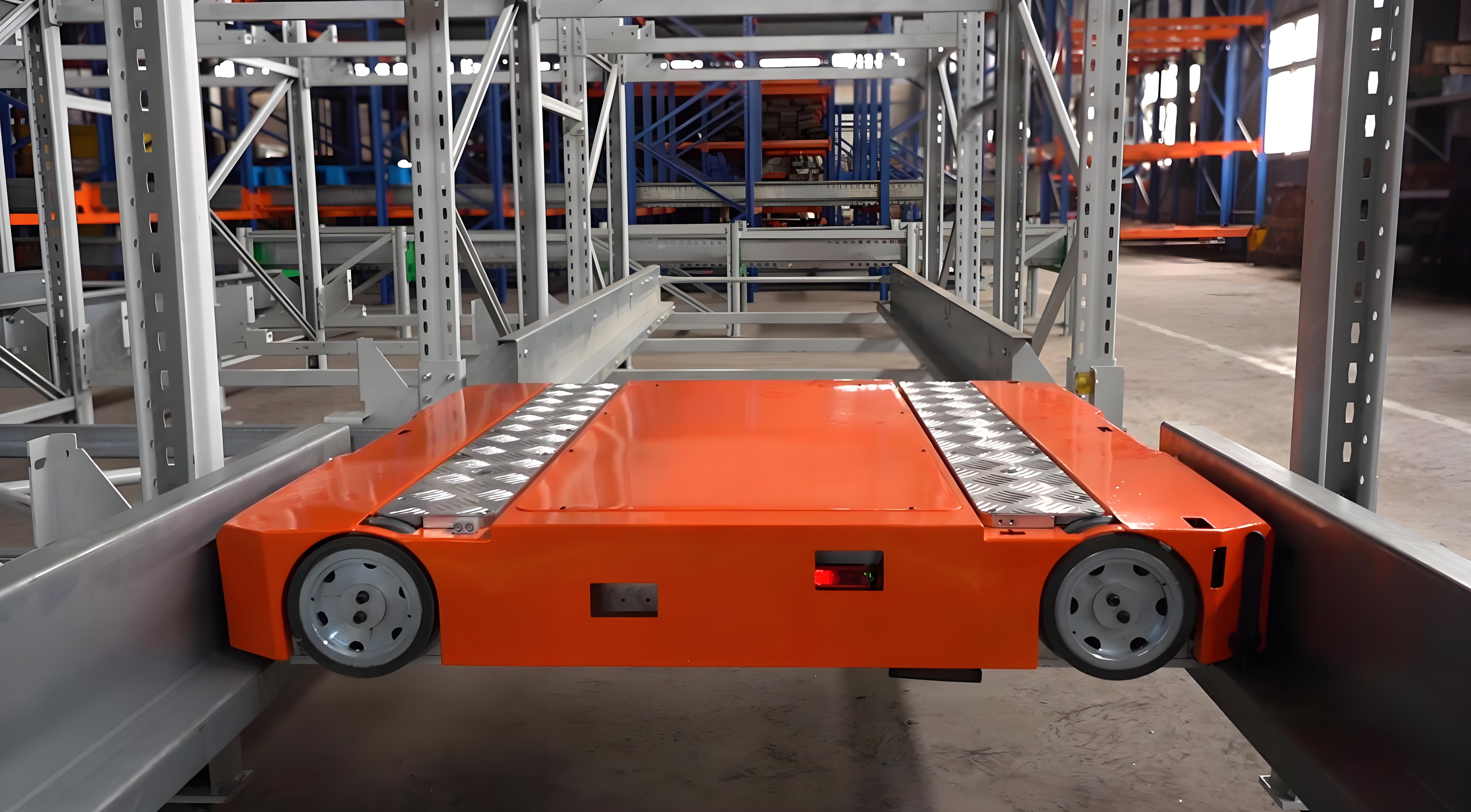

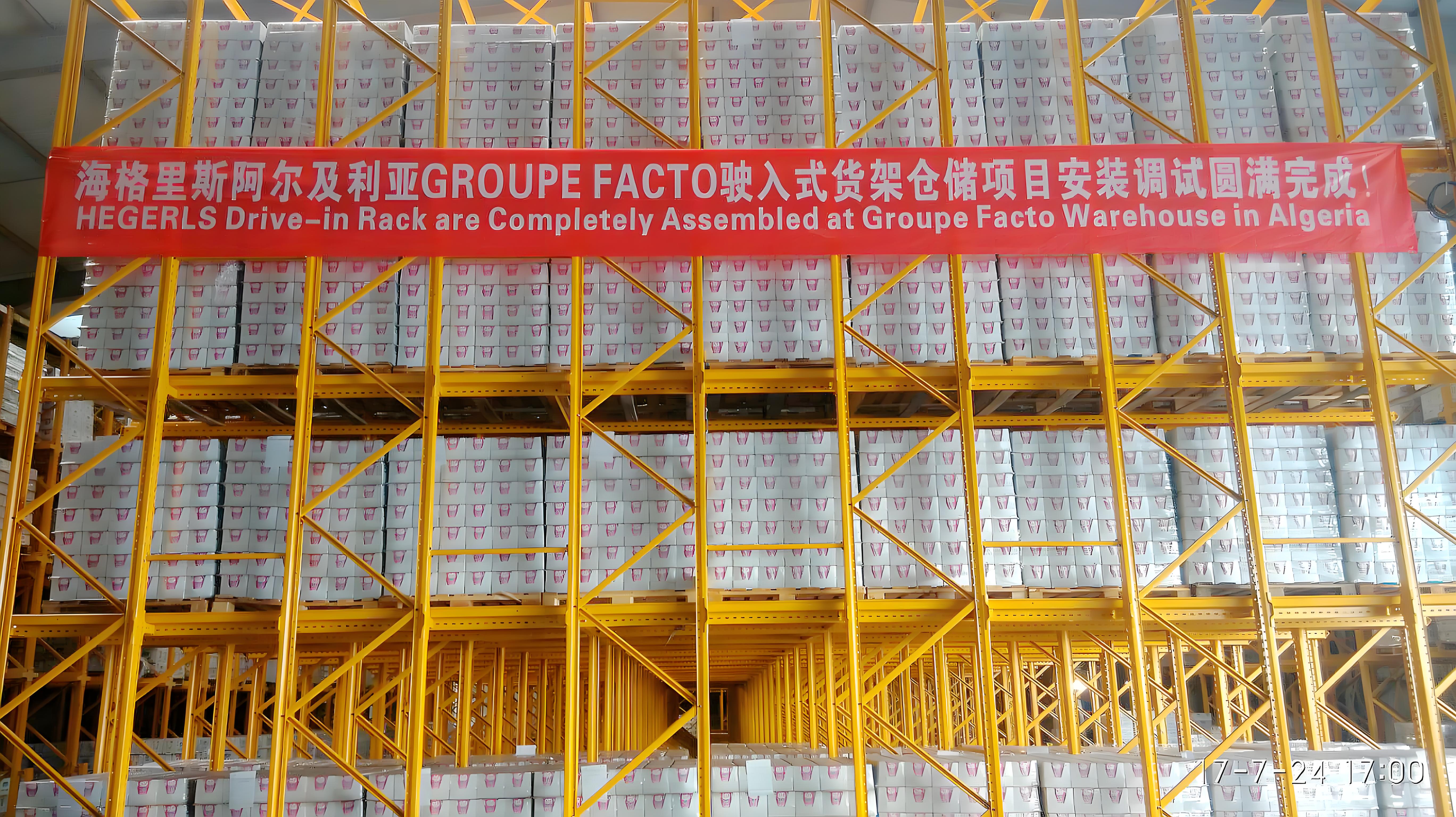
Algeria FACTO Group Storage Project
Related Products

MOBILE: +86 133 1595 3337
E-mails: hgls-wm@hbgysw.com
Office: Room 1118, Building No.6, Tatan Mall, Tatong Street, Shijiazhuang, China
Production base: 68 Shidai Road,Xinhe Industrial Park,Hebei Province
Website: https://www.woke-hercules.com



All rights reserved©2025 Hebei Woke Metal Products Co., ltd.