

-
SOLUTIONSIn recent years, “Hegerls" HD shuttle storage system have improved, upgraded, more intelligent, flexible, and more systematic, which can meet the different needs of customers in various industries.
 SERVICE
 -
-
R & DObtained more than ten national patents for automated logistics warehousing equipment such as shuttle cars, stackers, and mobile shelves, awarded SGS, BV, and TUV international product quality inspection agency certificates, as well as the "Quality, Environment, Health" ISO three major system certification certificates.
SERVICE
-
PROJECTSAfter Haigelis entered the international market in 2011, it exported supermarket equipment, warehousing equipment, and related supporting products to countries and regions such as North America, South America, Europe, Southeast Asia, and Africa. In recent years, the company has increased its efforts in the research and development of automated warehousing equipment.
SERVICE
-
BlogProfessional articles, guides, and insights on warehouse racking and automated storage systems.
SERVICE
-
HEGERLSIt's developed over 20 years, our company has become a one-stop integrated service provider of warehousing and logistics, integrating warehousing and logistics project design...
SERVICE

APPLICATION
Industrial Automation vs Warehouse Automation: What’s the Difference and Which Is Better?
Classification:
Industry Info
Release time:
2026-03-27
As businesses accelerate digital transformation, automation has become a critical investment across both manufacturing and logistics. However, many decision-makers struggle to understand the difference between industrial automation and warehouse automation.
While both aim to improve efficiency and reduce costs, they serve very different functions within the supply chain.
This guide provides a complete comparison of industrial automation vs warehouse automation, including technologies, benefits, costs, and how to choose the right solution.
What Is Industrial Automation?
Definition of Industrial Automation
Industrial automation refers to the use of control systems, machinery, and software to automate manufacturing and industrial processes.
It is widely used in:
- manufacturing plants
- production lines
- assembly operations
- processing industries
Key Technologies in Industrial Automation
- PLC (Programmable Logic Controllers)
- SCADA systems
- robotics and robotic arms
- industrial IoT (IIoT)
- process automation controls
Examples of Industrial Automation
- automated assembly lines
- robotic welding systems
- CNC machining
- packaging automation
Benefits of Industrial Automation
- increased production efficiency
- reduced human error
- improved product quality
- lower operational costs

What Is Warehouse Automation?
Definition of Warehouse Automation
Warehouse automation refers to the use of technology to automate storage, retrieval, and movement of goods within a warehouse.
It is commonly used in:
- logistics centers
- distribution centers
- e-commerce warehouses
- manufacturing storage facilities
Key Technologies in Warehouse Automation
- ASRS (Automated Storage and Retrieval Systems)
- shuttle systems
- warehouse robotics (AMR, AGV)
- goods-to-person systems
- WMS (Warehouse Management System)
- WCS (Warehouse Control System)
Examples of Warehouse Automation
- automated pallet storage
- robotic picking systems
- conveyor sorting systems
- automated inventory tracking
Benefits of Warehouse Automation
- increased storage capacity
- faster order fulfillment
- reduced labor costs
- improved inventory accuracy

Industrial Automation vs Warehouse Automation: Key Differences
Core Comparison Table
| Aspect | Industrial Automation | Warehouse Automation |
|---|---|---|
| Purpose | Production | Storage & logistics |
| Location | Factory floor | Warehouse |
| Focus | Manufacturing processes | Material handling |
| Technologies | PLC, robotics, SCADA | ASRS, shuttle, AMR |
| Output | Finished goods | Order fulfillment |
Which Is More Important: Industrial or Warehouse Automation?
Both are essential but serve different roles
- Industrial automation → improves production efficiency
- Warehouse automation → improves logistics efficiency
👉 Together, they create a fully optimized supply chain
How Do Industrial Automation and Warehouse Automation Work Together?
In modern supply chains, these systems are interconnected.
Example Workflow
- Industrial automation produces goods
- Warehouse automation stores products
- Automated systems handle distribution
Integrated Benefits
- reduced production delays
- seamless material flow
- real-time data synchronization

Cost Comparison: Industrial Automation vs Warehouse Automation
Investment Overview
| System | Cost Range |
|---|---|
| Industrial automation | $500K – $20M+ |
| Warehouse automation | $100K – $10M+ |
Cost Drivers
Industrial Automation
- machinery complexity
- production scale
- robotics integration
Warehouse Automation
- storage density
- throughput
- system type
ROI Comparison
| Factor | Industrial Automation | Warehouse Automation |
|---|---|---|
| ROI Timeline | 3–7 years | 2–5 years |
| Labor Savings | High | Very High |
| Efficiency Gain | High | High |
Which System Is Better for Your Business?
Choose Industrial Automation If:
- you want to optimize production
- you run manufacturing operations
- product quality is critical
Choose Warehouse Automation If:
- you want to improve logistics
- you manage inventory
- order fulfillment speed matters
Smart Factory vs Smart Warehouse
Smart Factory (Industrial Automation)
- AI-driven production
- predictive maintenance
- real-time process control
Smart Warehouse (Warehouse Automation)
- automated storage
- robotics
- real-time inventory tracking

Future Trends in Automation
Industrial Automation Trends
- AI-driven manufacturing
- digital twins
- smart factories
Warehouse Automation Trends
- robotics integration
- AI optimization
- fully automated warehouses
Hybrid Automation: The Future of Industry
The future lies in combining:
- industrial automation
- warehouse automation
- AI systems
👉 This creates a fully automated supply chain ecosystem
Common Mistakes to Avoid
❌ treating both systems as interchangeable
❌ underinvesting in logistics automation
❌ ignoring integration
How to Choose the Right Automation Strategy
Key Factors
- business type
- production vs logistics focus
- budget
- scalability
Quick Decision Guide
👉 Need production efficiency → Industrial automation
👉 Need logistics efficiency → Warehouse automation
👉 Need full optimization → Combine both
Conclusion
Industrial automation and warehouse automation are not competitors—they are complementary systems.
Companies that invest in both can achieve:
- higher efficiency
- lower costs
- faster operations
- stronger competitiveness
FAQ
Can industrial automation and warehouse automation be integrated?
Yes, industrial automation and warehouse automation can be fully integrated to create a seamless production-to-logistics workflow. This integration allows real-time data sharing, synchronized operations, and improved overall efficiency across the supply chain.
Which is more suitable for small businesses: industrial or warehouse automation?
For most small businesses, warehouse automation is more accessible due to:
- lower initial investment
- faster ROI
- easier implementation
Industrial automation is typically more suitable for larger manufacturing operations.
What industries benefit most from industrial automation?
Industries that benefit most include:
- automotive manufacturing
- electronics production
- food processing
- pharmaceuticals
These industries require high precision, consistency, and production efficiency.
What industries benefit most from warehouse automation?
Warehouse automation is widely used in:
- e-commerce fulfillment
- third-party logistics (3PL)
- retail distribution
- cold chain logistics
Is warehouse automation part of industrial automation?
No, warehouse automation is a separate but complementary system.
- Industrial automation → production processes
- Warehouse automation → storage and logistics
However, both can be integrated into a unified automation strategy.
Which system provides faster ROI?
In most cases:
- Warehouse automation → faster ROI (2–5 years)
- Industrial automation → longer ROI (3–7 years)
This is because warehouse automation directly reduces labor and improves order fulfillment speed.
What is the role of AI in industrial and warehouse automation?
AI plays a growing role in both areas:
Industrial Automation
- predictive maintenance
- process optimization
- quality control
Warehouse Automation
- inventory optimization
- route planning
- demand forecasting
How does automation impact labor costs?
Automation significantly reduces labor dependency:
- Industrial automation → reduces skilled labor needs
- Warehouse automation → reduces manual handling and picking
👉 Typical labor cost reduction: 30–60%
Can automation systems scale with business growth?
Yes, modern automation systems are designed to be scalable:
- modular system architecture
- software upgrades
- additional equipment integration
What are the risks of not adopting automation?
Businesses that delay automation may face:
- higher labor costs
- lower efficiency
- increased operational errors
- reduced competitiveness
Build a Smarter Warehouse with Automation
While industrial automation improves production, warehouse automation is the key to logistics efficiency.
HEGERLS provides:

Get Your Automation Plan Today
📩 Contact us for:
- free consultation
- customized solution design
- ROI analysis
Key words:
industrial automation systems,warehouse automation technology,industrial process automation,logistics automation,smart factory vs smart warehouse
Related Solutions
Related Cases
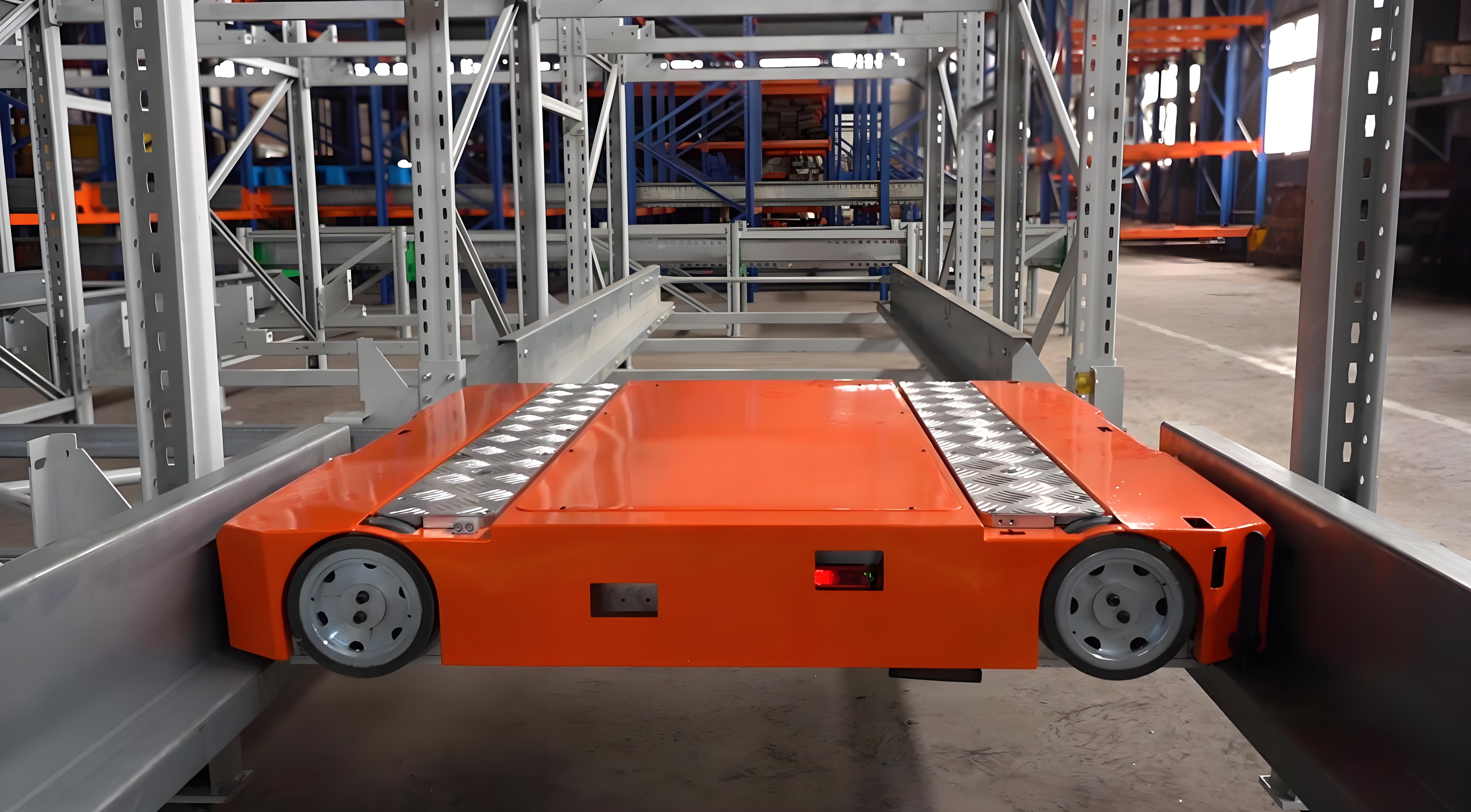

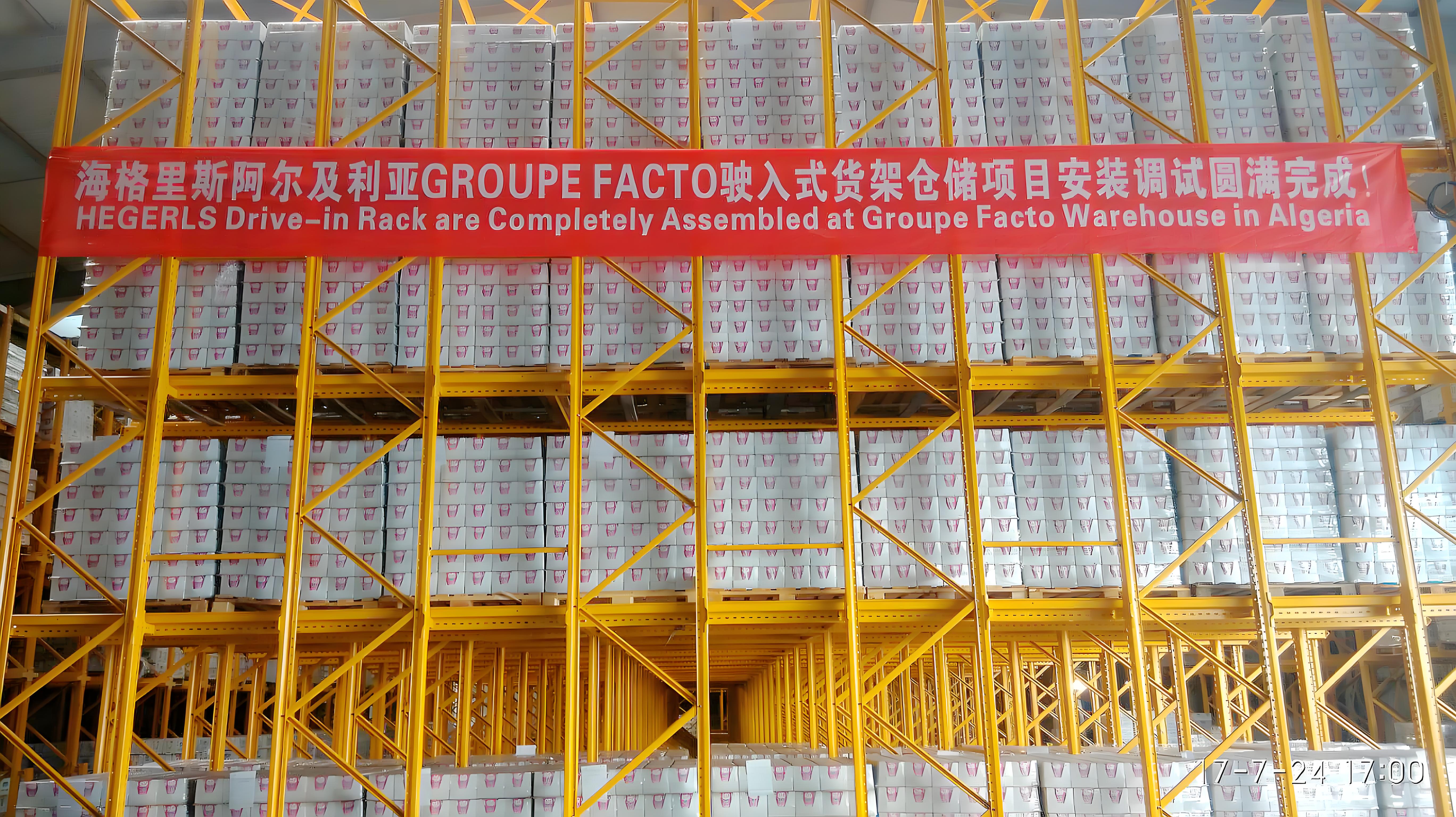
Algeria FACTO Group Storage Project
Related Products

MOBILE: +86 133 1595 3337
E-mails: hgls-wm@hbgysw.com
Office: Room 1118, Building No.6, Tatan Mall, Tatong Street, Shijiazhuang, China
Production base: 68 Shidai Road,Xinhe Industrial Park,Hebei Province
Website: https://www.woke-hercules.com



All rights reserved©2025 Hebei Woke Metal Products Co., ltd.