

-
SOLUTIONSIn recent years, “Hegerls" HD shuttle storage system have improved, upgraded, more intelligent, flexible, and more systematic, which can meet the different needs of customers in various industries.
 SERVICE
-
-
R & DObtained more than ten national patents for automated logistics warehousing equipment such as shuttle cars, stackers, and mobile shelves, awarded SGS, BV, and TUV international product quality inspection agency certificates, as well as the "Quality, Environment, Health" ISO three major system certification certificates.
SERVICE
-
PROJECTSAfter Haigelis entered the international market in 2011, it exported supermarket equipment, warehousing equipment, and related supporting products to countries and regions such as North America, South America, Europe, Southeast Asia, and Africa. In recent years, the company has increased its efforts in the research and development of automated warehousing equipment.
SERVICE
-
BlogProfessional articles, guides, and insights on warehouse racking and automated storage systems.
SERVICE
-
HEGERLSIt's developed over 20 years, our company has become a one-stop integrated service provider of warehousing and logistics, integrating warehousing and logistics project design...
SERVICE

APPLICATION
Revolutionizing Warehouses of the Future
Classification:
Industry Info
Release time:
2025-12-31
With the explosive growth of e-commerce, increasing supply chain complexity, and rising customer expectations for instant delivery, traditional warehousing models are no longer sufficient. The future of warehouses lies in real-time visibility, intelligent operations, accelerated distribution, and collaborative ecosystems. This article explores key technological advances, innovative automation systems, mobility solutions, logistics real estate trends, and operational standards shaping the warehouses of tomorrow.

1. Latest Advances in Tracking and Visibility
Real-time tracking and transparency are the foundation of intelligent supply chains.
Global IoT Warehouse Market 2026: $25.6 billion, with a CAGR of 12%.
Case Study: Amazon’s Kiva robots combined with IoT sensors achieve a picking accuracy of 99.9%.
Key Technologies:
- IoT Sensors & Smart Tags: Provide real-time updates on pallets, racks, and equipment.
- UWB (Ultra-Wideband) Indoor Positioning: Offers centimeter-level accuracy for location tracking.
- Blockchain Traceability: Ensures data integrity and transparency across multiple parties.
These advancements transform warehouses from “invisible inventories” to fully monitored, dynamic assets.
2. Real-Time Inventory Management with Innovative Automation Systems
Automation is essential for accurate, real-time inventory management.
Global Warehouse Automation Market 2025: $85 billion.
Case Study: JD’s Asia One smart warehouse increased picking efficiency threefold, with inventory error rates below 0.05%.
Automation Systems Include:
- AS/RS (Automated Storage and Retrieval Systems): High-density storage and automated in/out processes.
- AMR (Autonomous Mobile Robots): Flexible material handling and order fulfillment.
- Smart Sorting Systems: Rapid sorting of multi-SKU orders.
- AI & Machine Vision: For quality inspection, path optimization, and operational efficiency.
Integrated with WMS/WES/WCS, these systems make real-time inventory management a practical reality.
3. Accelerating Distribution with Warehouse Mobility Solutions
Static warehouse layouts and manual processes limit efficiency. Mobility solutions are revolutionizing distribution.
AMR Penetration (2025): 18%, expected to exceed 35% by 2030.
Case Study: Locus Robotics deployed 123 robots in a DHL facility, achieving 40% faster order processing.
Mobility Innovations:
- Mobile Fulfillment Systems: Move entire shelves to pickers instead of requiring pickers to walk.
- AGV/AMR Integration: Unmanned vehicles with smart routing optimize material flow.
- Cloud-based Scheduling & Optimization: Centralized control maximizes space and route efficiency.
Mobility transforms “time” into an optimizable resource, reducing end-to-end processing cycles.
4. Future of Logistics Real Estate Development Zones
Warehouses are evolving into intelligent logistics ecosystems rather than standalone facilities.
Key Trends:
- Urban Logistics Hubs: Facilitate last-mile delivery and rapid order fulfillment.
- Multimodal Integrated Nodes: Link rail, port, and air transport for efficient regional logistics.
- Smart Park Infrastructure: Includes 5G, edge computing, renewable energy, and intelligent security.
- Shared & Collaborative Warehouses: Support SMEs with flexible storage and dynamic leasing models.
- Market Data: APAC smart logistics park areas are expected to grow 22% by 2026, with urban logistics accounting for 45% of total warehouse space.
5. Operational Standards of Logistics Parks
Standardized operations are crucial for efficiency, safety, and sustainability.
Key Dimensions:
- Digital Infrastructure: Unified interfaces for WMS, WES, and WCS.
- Safety & Compliance: Robotics operation protocols, hazardous material management.
- Green & Sustainable KPIs: Energy efficiency, carbon footprint monitoring, and environmental standards.
- Collaborative Service Ecosystem: Integration with supply chain partners for shared inventory and operational transparency.
Standardization enables scalable, sustainable, and collaborative logistics ecosystems.
Conclusion
The warehouse of the future is no longer merely a storage space; it is an intelligent operations center. By integrating real-time visibility, automated execution, mobile fulfillment, smart real estate planning, and standardized operations, businesses can achieve unprecedented levels of efficiency, flexibility, and value across the supply chain.
The transformation of warehouses represents a strategic shift — from reactive storage management to proactive, data-driven supply chain intelligence.
With HEGERLS, warehouses are no longer just storage spaces; they are intelligent, adaptive, and high-performance logistics hubs. From cutting-edge shuttle systems to fully integrated smart storage, we empower businesses to maximize efficiency, reduce costs, and stay ahead in the competitive logistics landscape.
HEGERLS — Building the Warehouse of the Future, Today.

FAQ
1. What does a “warehouse of the future” mean?
A warehouse of the future refers to a highly automated, data-driven facility where technologies like robotics, AI, and real-time tracking systems work together to improve efficiency, accuracy, and responsiveness across the entire supply chain.
2. Why are traditional warehouses no longer sufficient?
Traditional warehouses rely heavily on manual processes, which struggle to meet modern demands such as fast delivery, high order volumes, and real-time inventory visibility driven by e-commerce growth.
3. What technologies are shaping the future of warehouses?
Key technologies include:
- IoT sensors for real-time tracking
- AI and machine vision for decision-making
- ASRS and shuttle systems for automation
- AMRs and AGVs for flexible material handling
These technologies enable smarter and more efficient warehouse operations.
4. How does real-time visibility improve warehouse operations?
Real-time visibility allows companies to track inventory, equipment, and orders instantly, reducing errors, improving accuracy, and enabling faster decision-making across warehouse processes.
5. What is the role of automation in future warehouses?
Automation is central to future warehouses, enabling faster storage and retrieval, reducing labor dependency, and ensuring consistent performance through systems like ASRS, robotics, and smart sorting technologies.
6. How do mobile robots change warehouse operations?
Mobile robots such as AMRs and AGVs improve efficiency by automating transportation tasks, optimizing routes, and reducing human travel time, which significantly speeds up order fulfillment processes.
7. What is a smart warehouse ecosystem?
A smart warehouse ecosystem integrates multiple technologies, systems, and stakeholders into a connected environment where data flows seamlessly, enabling collaborative and optimized logistics operations.
8. How will warehouse locations change in the future?
Future warehouses will increasingly be located in urban logistics hubs and integrated logistics parks to support faster last-mile delivery and more efficient distribution networks.
9. What are the key benefits of future warehouse systems?
Future warehouse systems offer:
- Higher efficiency and throughput
- Improved accuracy and reduced errors
- Better space utilization
- Lower operational costs
- Greater scalability and flexibility
These benefits make warehouses more competitive and responsive to market demands.
10. How important is system integration in smart warehouses?
System integration is critical because it connects WMS, WCS, automation equipment, and data platforms, allowing seamless coordination and maximizing overall system performance.
11. Are future warehouses fully automated?
While many future warehouses aim for high levels of automation, most will adopt a hybrid model where humans and machines collaborate to balance flexibility, cost, and operational efficiency.
12. What trends will define warehouses in the next 5–10 years?
Key trends include:
- Increased use of AI and robotics
- Growth of real-time data and analytics
- Expansion of scalable and modular systems
- Focus on sustainability and energy efficiency
- Development of fully connected supply chain ecosystems
These trends are reshaping warehouses into intelligent logistics hubs.
Key words:
Revolutionizing Warehouses of the Future,smart warehouse solutions,warehouse automation systems,automated storage and retrieval system,real-time inventory visibility
Related Solutions
Related Cases
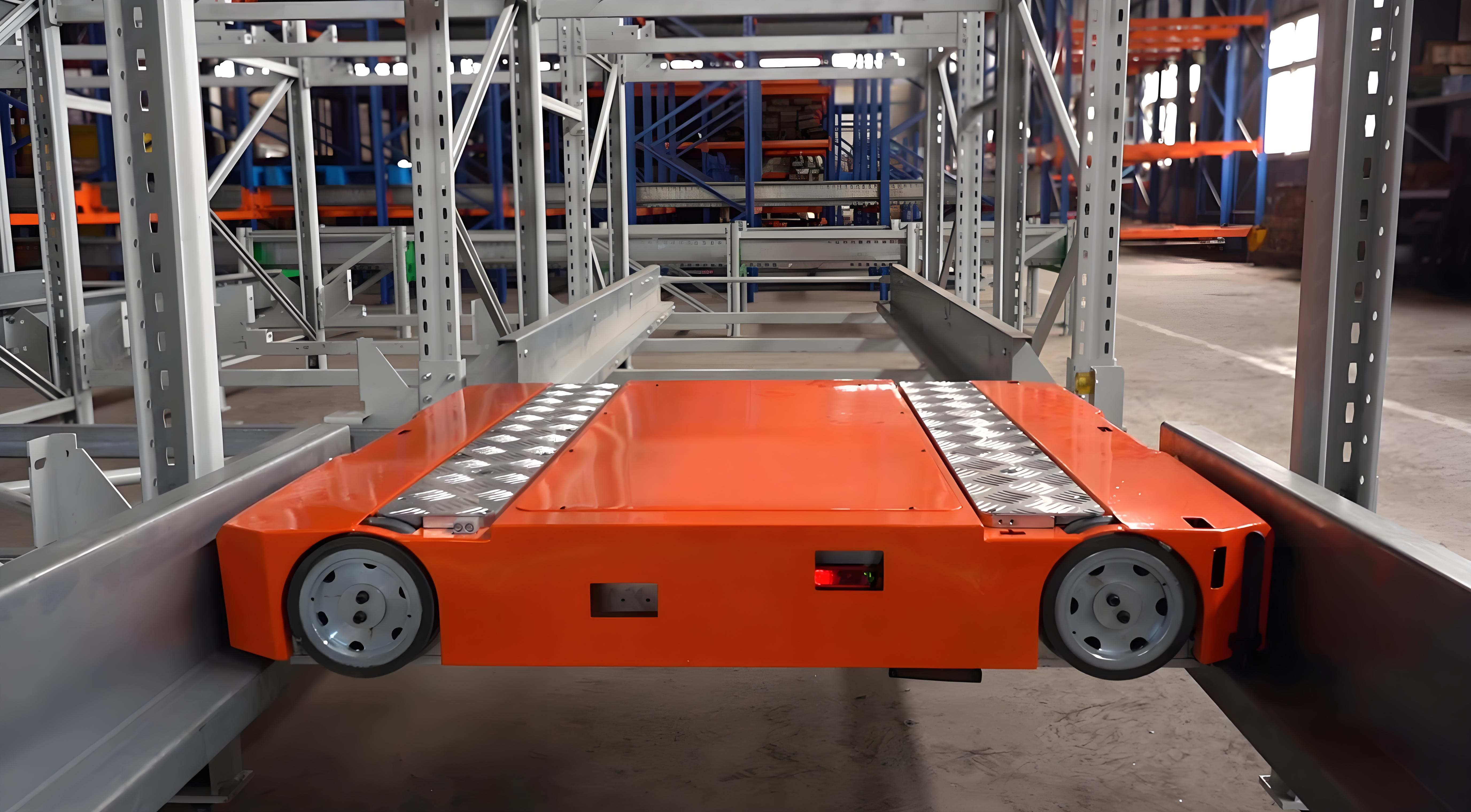

Integrated Warehouse Rack Project in Morocco | Rack Supported Warehouse
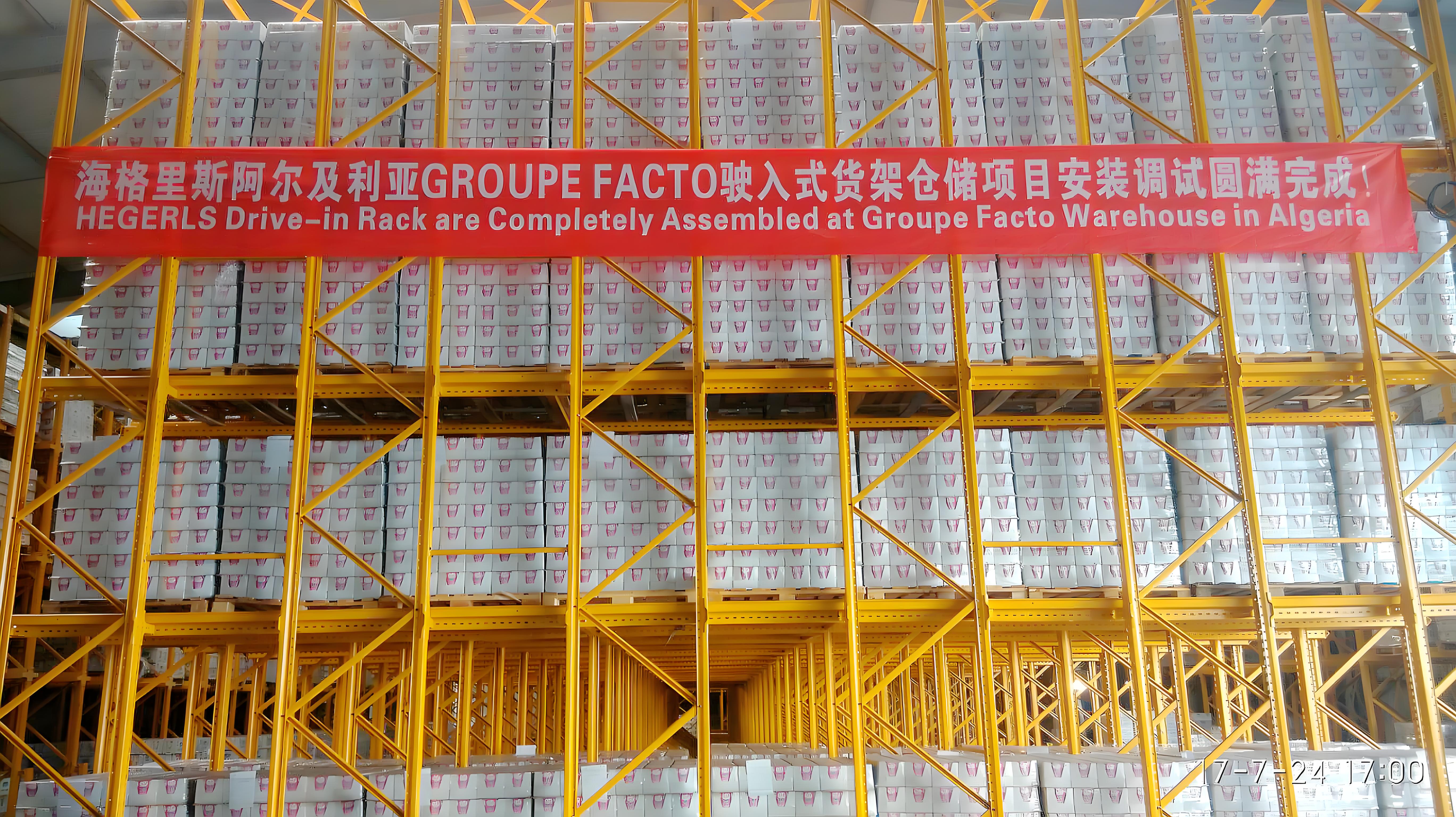
Algeria FACTO Group Storage Project
Related Products

MOBILE: +86 133 1595 3337
E-mails: hgls-wm@hbgysw.com
Office: Room 1118, Building No.6, Tatan Mall, Tatong Street, Shijiazhuang, China
Production base: 68 Shidai Road,Xinhe Industrial Park,Hebei Province
Website: https://www.woke-hercules.com



All rights reserved©2025 Hebei Woke Metal Products Co., ltd.