

-
SOLUTIONSIn recent years, “Hegerls" HD shuttle storage system have improved, upgraded, more intelligent, flexible, and more systematic, which can meet the different needs of customers in various industries.
 SERVICE
 -
-
R & DObtained more than ten national patents for automated logistics warehousing equipment such as shuttle cars, stackers, and mobile shelves, awarded SGS, BV, and TUV international product quality inspection agency certificates, as well as the "Quality, Environment, Health" ISO three major system certification certificates.
SERVICE
-
PROJECTSAfter Haigelis entered the international market in 2011, it exported supermarket equipment, warehousing equipment, and related supporting products to countries and regions such as North America, South America, Europe, Southeast Asia, and Africa. In recent years, the company has increased its efforts in the research and development of automated warehousing equipment.
SERVICE
-
BlogProfessional articles, guides, and insights on warehouse racking and automated storage systems.
SERVICE
-
HEGERLSIt's developed over 20 years, our company has become a one-stop integrated service provider of warehousing and logistics, integrating warehousing and logistics project design...
SERVICE

APPLICATION
Best Heavy Duty Warehouse Racking: Complete Guide to Industrial Racking Systems, Cost & Installation
Classification:
Industry Info
Release time:
2025-09-12
Warehouses are the backbone of global trade and supply chain operations. From e-commerce giants to automotive manufacturers, every industry relies on effective storage systems to keep goods organized, safe, and accessible. At the heart of these systems is heavy duty warehouse racking—a robust, reliable, and scalable storage solution designed to handle large inventories, bulky items, and heavy loads.
This complete guide will walk you through everything you need to know about heavy duty warehouse racking, including its types, advantages, applications across industries, design considerations, safety practices, automation integration, and how HEGERLS can help you maximize warehouse efficiency.
What is Heavy Duty Warehouse Racking?
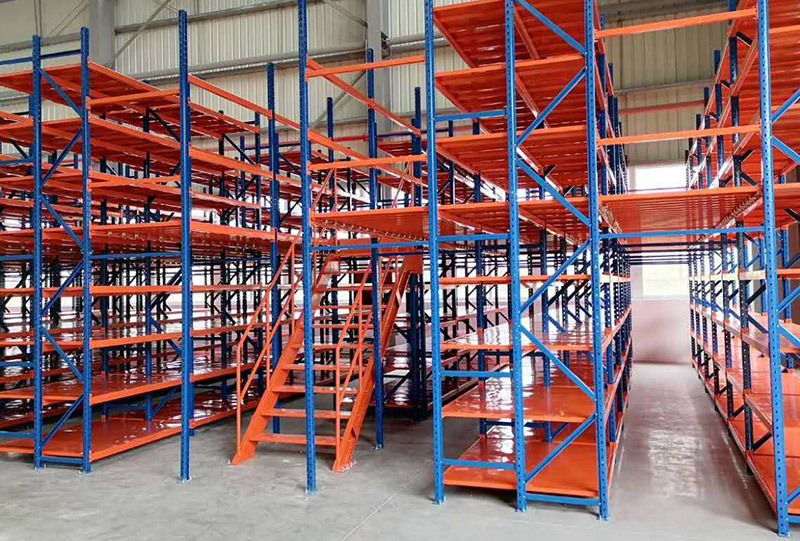
Heavy duty warehouse racking is a specialized industrial shelving system engineered to store goods with high load capacities. Unlike light or medium-duty shelving, these racks are built from reinforced steel with thicker beams and uprights, allowing them to withstand thousands of kilograms per level.
They are commonly used in warehouses, distribution centers, and manufacturing plants where space optimization, accessibility, and safety are crucial.
Key Features:
- Load capacity from 1000 kg to 6000+ kg per level
- Adjustable beam heights
- Modular design for scalability
- Compatibility with forklifts and material handling equipment
- Optional accessories: safety barriers, wire decking, pallet supports, column guards
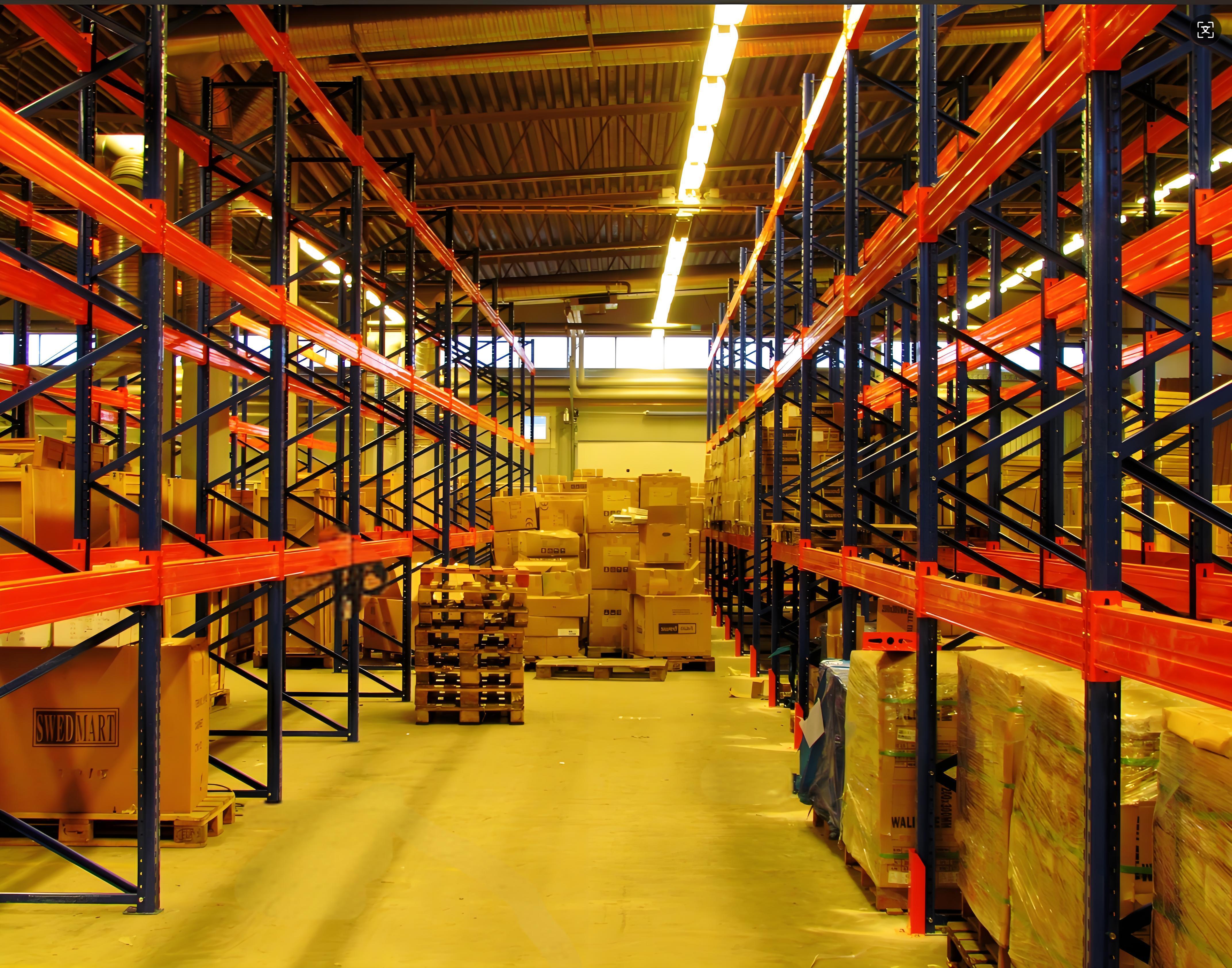
Heavy Duty Industrial Racking vs Standard Warehouse Racking
Heavy duty industrial racking is specifically engineered to support higher loads, larger pallet sizes, and more demanding warehouse environments.
| Feature | Standard Racking | Heavy Duty Industrial Racking |
|---|---|---|
| Load Capacity | 200-1000 kg/level | 1000-6000+ kg/level |
| Material Thickness | Light Gauge Steel | Reinforced Structural Steel |
| Warehouse Height | Up to 6m | Up to 40m with AS/RS |
| Automation Compatibility | Limited | Fully Compatible |
| Service Life | 5-10 Years | 15-25+ Years |
Heavy duty industrial racking is commonly used in logistics centers, automotive factories, manufacturing plants, cold storage facilities, and distribution hubs where high loads and operational efficiency are critical.
Types of Heavy Duty Warehouse Racking
Different warehouses have different needs. Below are the most common types of heavy duty racking, along with their applications:
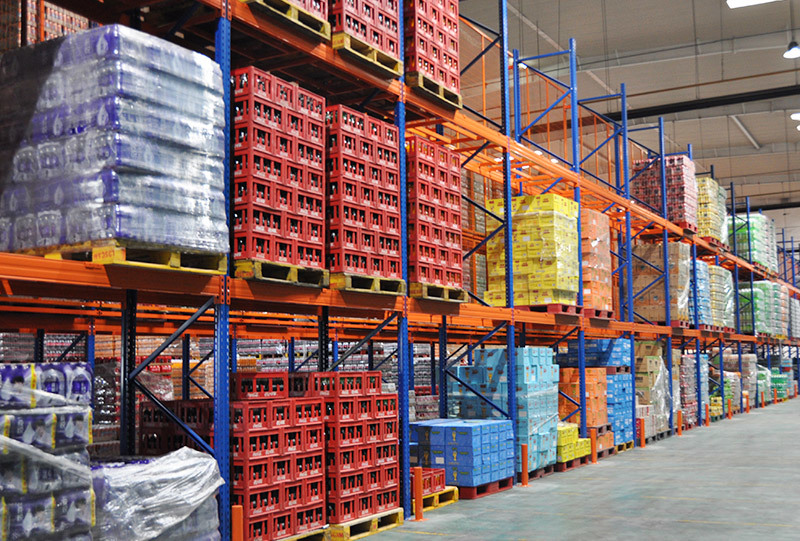
1. Selective Pallet Racking
Description: The most common system; each pallet is accessible without moving others.
Load Capacity: 1000–3000 kg per pallet location.
Best For: Businesses with a wide SKU range and moderate storage density needs.
Advantages: Flexible, cost-effective, easy to install and adjust.
2. Drive-In / Drive-Through Racking
Description: Pallets are stored multiple levels deep, and forklifts drive directly into the rack structure.
Load Capacity: 1500–2000 kg per pallet.
Best For: High-volume, low-SKU storage such as dairy, beverages, or raw materials.
Advantages: Maximizes space by reducing aisles, ideal for cold storage.

3. Push-Back Racking
Description: Pallets rest on carts that move on inclined rails. When a pallet is loaded, it pushes the others back.
Load Capacity: Up to 2000 kg per pallet.
Best For: LIFO (Last-In, First-Out) storage, suitable for bulk storage of homogeneous goods.
Advantages: Higher density than selective racking; efficient space usage.
4. Pallet Flow (Gravity Flow) Racking
Description: Uses sloped roller lanes; pallets flow from loading side to picking side.
Load Capacity: 1000–1500 kg per pallet.
Best For: FIFO (First-In, First-Out) operations like food, beverages, and pharmaceuticals.
Advantages: Ensures automatic stock rotation; reduces handling time.
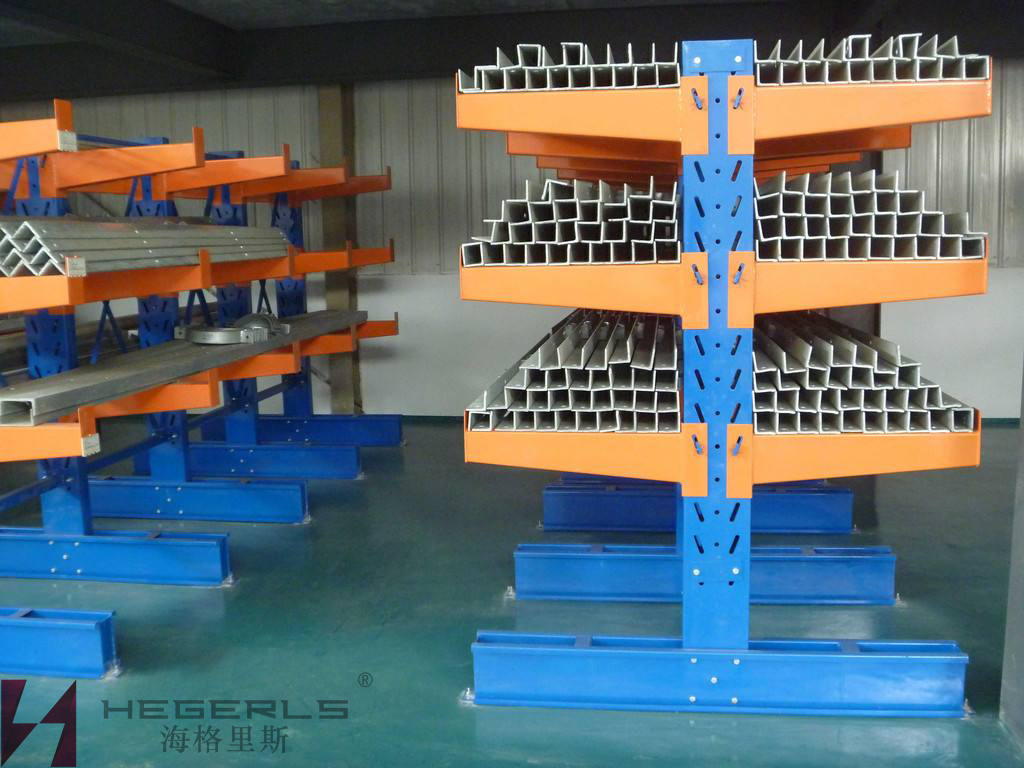
5. Cantilever Racking
Description: Horizontal arms extend from upright columns; no vertical obstructions at the front.
Load Capacity: 500–1500 kg per arm.
Best For: Long, bulky items like timber, steel pipes, and furniture.
Advantages: Easy access, accommodates irregular-sized loads.
6. Double Deep Racking
Description: Similar to selective racking but stores two pallets deep per lane.
Load Capacity: 1000–2000 kg per pallet.
Best For: Warehouses with medium-density storage requirements.
Advantages: Reduces aisle count, increases storage capacity by up to 30%.
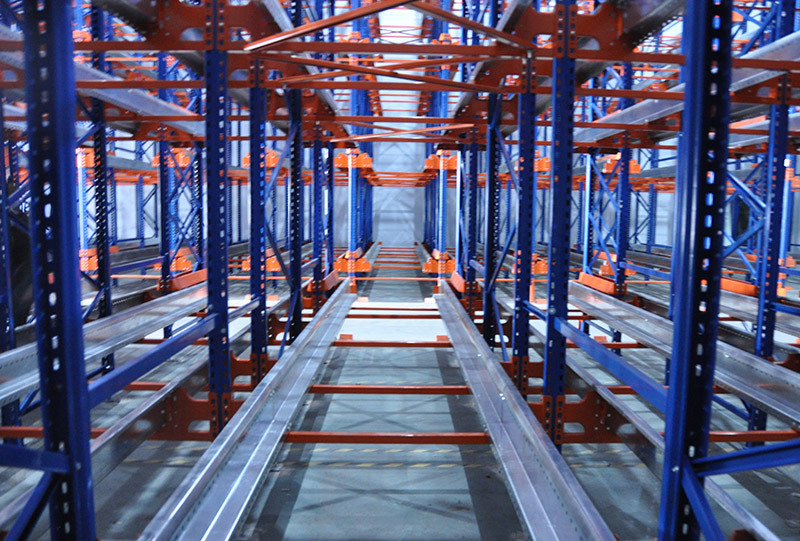
7. Shuttle & Automated Racking Systems
Description: Uses powered shuttles or stacker cranes to move pallets automatically.
Load Capacity: Varies by system design.
Best For: High-volume warehouses with automation focus.
Advantages: High efficiency, reduced labor, real-time inventory management.
| Racking Type | Density | Access Speed | Inventory Rotation | Best Suited For |
|---|---|---|---|---|
| Selective Pallet | Low | High | Flexible | High SKU variety |
| Drive-In / Drive-Thru | High | Medium | LIFO | Cold storage, bulk |
| Push-Back | Medium | Medium | LIFO | Bulk goods |
| Pallet Flow | High | High | FIFO | Perishables |
| Cantilever | Low | High | Flexible | Long/bulky goods |
| Double Deep | Medium | Medium | LIFO | Medium-density |
| Shuttle / Automated | Very High | Very High | FIFO/LIFO | Automated systems |
Benefits of Heavy Duty Warehouse Racking
High Load Capacity – Handles the heaviest goods with ease.
Maximized Space Utilization – Uses vertical space effectively, minimizing warehouse footprint.
Improved Safety – Engineered to international standards with safety accessories.
Flexibility – Adjustable beams and modular design allow easy reconfiguration.
Scalability – Can grow with your business as inventory expands.
Increased Productivity – Faster picking, organized workflow, reduced downtime.
Applications Across Industries
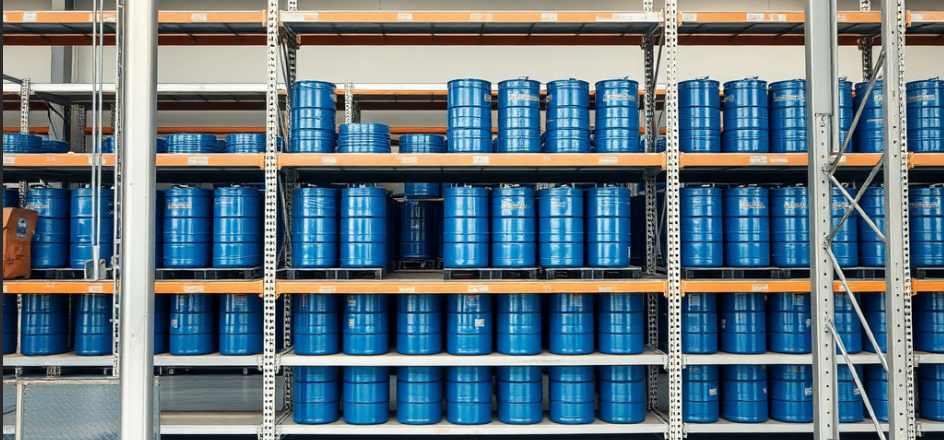
Heavy duty racking is used in almost every industry that manages bulk storage.
E-Commerce & Retail – High SKU variety, fast picking, large turnover.
Automotive & Machinery – Storage for engines, spare parts, tools, and tires.
Food & Beverage – Cold storage and FIFO systems for perishable goods.
Pharmaceutical & Chemical – Safe, organized handling of sensitive materials.
Construction & Building Materials – Bulky items like steel, timber, and panels.
Furniture & Appliances – Large, irregularly shaped goods requiring cantilever racks.
Military & Defense – Secure and durable storage for heavy-duty equipment.
Trade & Logistics – High-density solutions for fast-moving consumer goods.


Factors to Consider When Choosing Heavy Duty Racking
Load Capacity Requirements – Match rack strength to pallet weight.
Warehouse Layout & Ceiling Height – Plan for vertical storage.
Forklift Type & Aisle Width – Ensure accessibility.
Inventory Rotation (FIFO vs. LIFO) – Choose pallet flow vs. push-back.
Future Expansion – Opt for modular systems that scale with growth.
Environmental Conditions – Cold storage, humidity, or outdoor use may require special coatings.
Safety & Maintenance
Safety is critical in warehouse operations. To maintain rack integrity:
- Perform regular inspections for damage.
- Use rack protectors, column guards, and safety bars.
- Train staff on safe loading/unloading.
- Avoid overloading racks beyond rated capacity.
- Implement preventive maintenance and repair schedules.
What Is the Best Heavy Duty Warehouse Racking for Different Warehouses?
Many warehouse managers search for the best heavy duty warehouse racking, but the answer depends on inventory characteristics, SKU quantity, throughput requirements, and available space.
Best Heavy Duty Warehouse Racking by Application
| Warehouse Type | Recommended System |
|---|---|
| E-commerce Fulfillment | Shuttle Racking |
| Manufacturing | Selective Pallet Racking |
| Cold Storage | Drive-In Racking |
| Food & Beverage | Gravity Flow Racking |
| Automotive Parts | Double Deep Racking |
| Long Materials Storage | Cantilever Racking |
| High Automation Facilities | AS/RS Racking |
For businesses seeking maximum flexibility, selective pallet racking remains one of the best heavy duty warehouse racking solutions because every pallet position is directly accessible. For operations prioritizing storage density, shuttle racking and automated storage systems often provide the highest return on investment.
Heavy Duty Warehouse Racking Cost: What Factors Affect Pricing?
One of the most common questions warehouse owners ask is: "How much does heavy duty warehouse racking cost?"
The total investment depends on multiple factors:
1. Racking Type
- Selective pallet racking typically has the lowest initial cost.
- Drive-in and double deep systems require additional structural components.
- Shuttle and AS/RS systems involve automation equipment and software.
2. Load Capacity
Higher pallet weights require stronger uprights, beams, and bracing, increasing material costs.
3. Warehouse Height
Tall warehouses often require:
- Larger uprights
- Additional safety components
- Seismic engineering
- Specialized installation equipment
4. Surface Treatment
Special coatings such as hot-dip galvanization or anti-corrosion finishes may increase costs but significantly improve durability in cold storage, coastal, and chemical environments.
Typical Cost Range
| System Type | Relative Investment |
|---|---|
| Selective Pallet Racking | Low |
| Double Deep Racking | Medium |
| Drive-In Racking | Medium |
| Gravity Flow Racking | Medium-High |
| Shuttle Racking | High |
| AS/RS Racking | Very High |
When evaluating heavy duty warehouse racking cost, companies should consider total lifecycle cost rather than only the initial purchase price.
Heavy Duty Warehouse Racking Installation: Best Practices
Proper heavy duty warehouse racking installation is essential for safety, performance, and long-term durability.
Site Preparation
Before installation:
- Verify floor flatness and load-bearing capacity
- Confirm warehouse dimensions
- Check forklift operating clearances
Rack Assembly
Installation typically includes:
- Upright frame assembly
- Beam installation
- Bracing installation
- Safety lock installation
- Floor anchoring
Safety Inspection
Before commissioning:
- Verify rack alignment
- Inspect anchor bolts
- Check beam connections
- Confirm load ratings
- Perform operational testing
Professional heavy duty warehouse racking installation helps reduce operational risks, improve rack stability, and ensure compliance with warehouse safety regulations. Improper installation can lead to structural failures and costly downtime.

Automation Solutions for Heavy Duty Racking
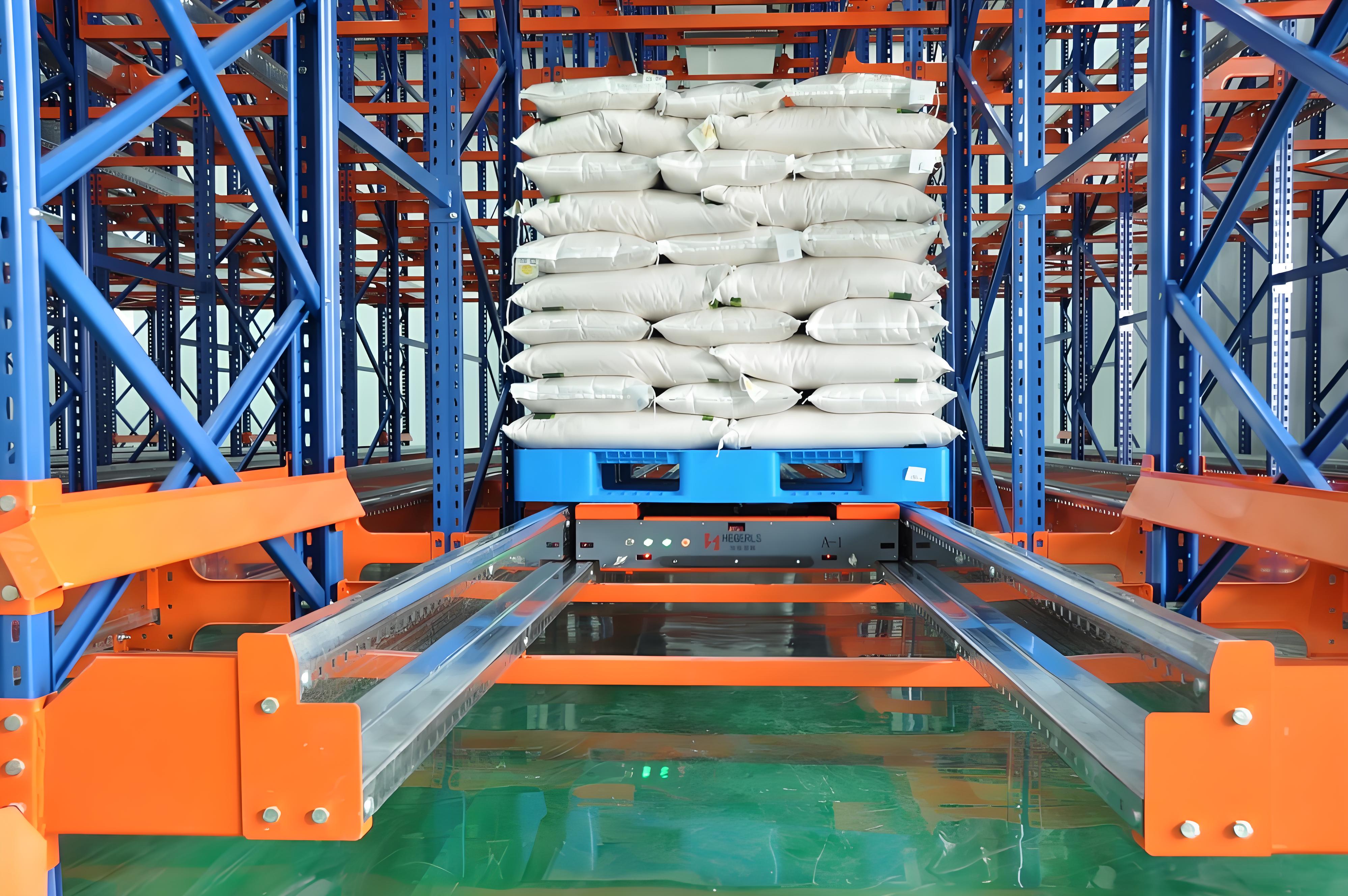
Pallet Shuttle Systems
Automated shuttles move pallets deep inside racking lanes.
Ideal for high-density storage (LIFO or FIFO).
Reduces forklift travel inside racks.
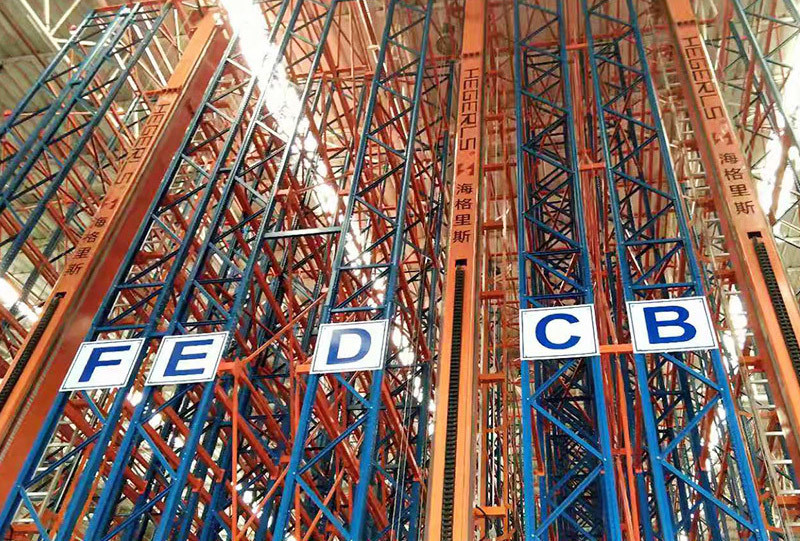
AS/RS (Automated Storage & Retrieval Systems)
Stacker cranes automatically retrieve and place pallets in racking locations.
Suitable for tall warehouses (20m–40m).
Maximizes vertical storage capacity.
Mobile Racking Systems
Racks mounted on motorized bases that move along tracks.
Eliminates fixed aisles, providing up to 80% space savings.
Shuttle-Carrier Systems
Combines horizontal shuttles with vertical lifts.
High-speed solution for e-commerce and cold chain logistics.
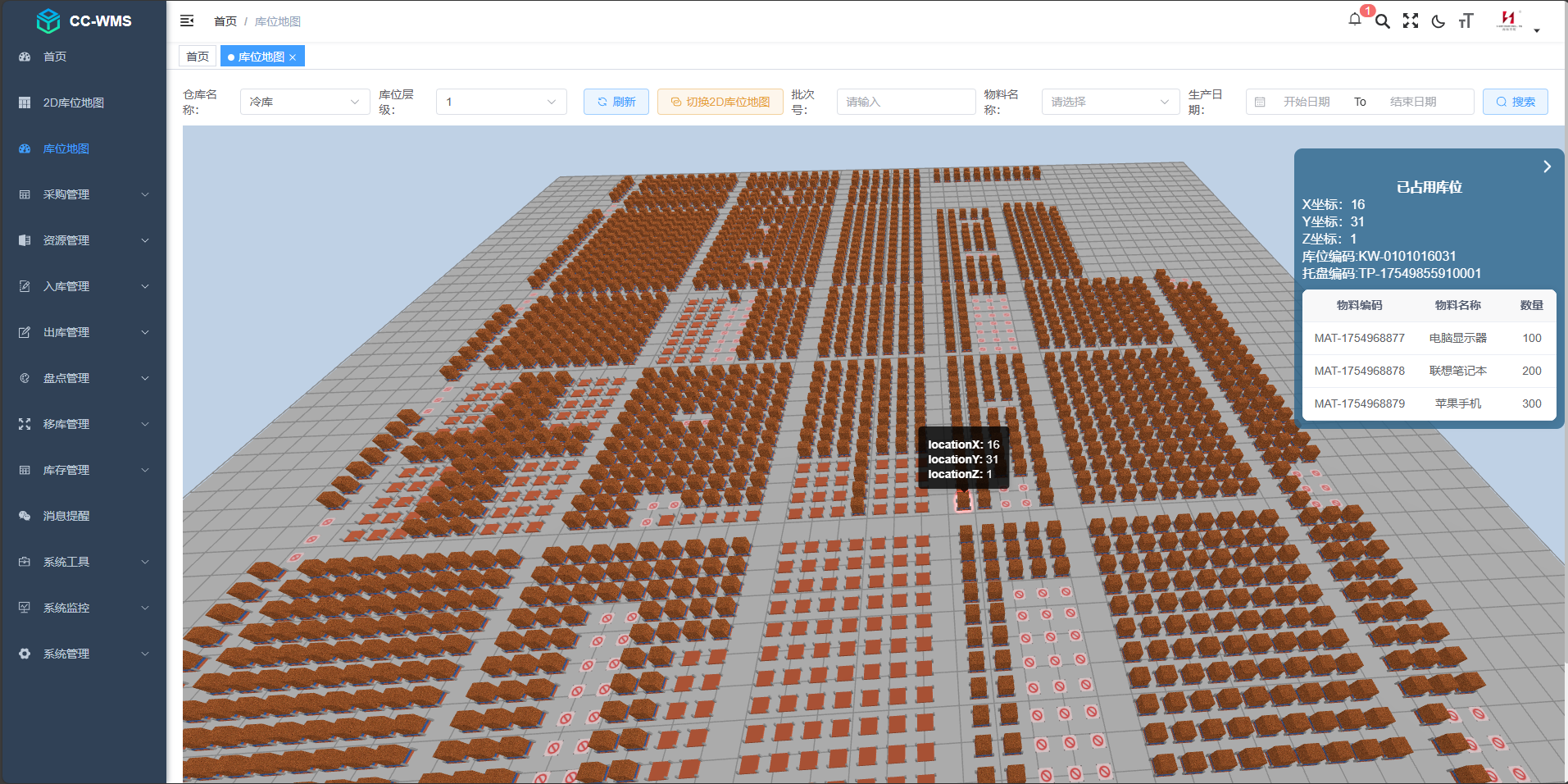
Integration with WMS/WCS
Warehouse Management Systems (WMS) and Warehouse Control Systems (WCS) ensure smooth coordination.
Operators can monitor pallet locations, inventory levels, and shuttle/crane activities in real time.
This combination maximizes throughput, reduces labor costs, and ensures high accuracy.

HEGERLS Heavy Duty Warehouse Racking Solutions
At HEGERLS, we design and manufacture heavy duty racking systems tailored to diverse industries. Our strengths include:
- Almost 30 years of expertise in warehouse storage solutions
- Customized designs based on warehouse layouts and inventory profiles
- High-quality steel with SGS and ISO certifications
- Comprehensive product range: pallet racking, shuttle systems, mezzanine racks, and automated solutions
- End-to-end support from design consultation to installation and after-sales service
Conclusion
Heavy duty warehouse racking is more than just steel and beams—it’s the backbone of efficient warehouse management. By optimizing storage, improving safety, and integrating with automation, businesses can achieve higher productivity and lower operational costs.
Whether you’re running an e-commerce fulfillment center, a manufacturing warehouse, or a cold storage facility, investing in heavy duty racking is a smart, future-proof choice. Contact us today to get your customized heavy duty racking solutions!
FAQ
1. What is heavy duty warehouse racking?
Heavy duty warehouse racking is a high-strength industrial storage system designed to store large and heavy loads, typically ranging from 1000 kg to over 6000 kg per level. It is built with reinforced steel structures to ensure durability, safety, and long-term performance.
2. What are the main types of heavy duty pallet racking systems?
Common types include:
- Selective pallet racking (high accessibility)
- Drive-in / drive-through racking (high density)
- Push-back racking (LIFO storage)
- Pallet flow racking (FIFO system)
- Cantilever racking (long and bulky goods)
- Shuttle and automated racking systems
Each type is designed for different storage density and operational needs.
3. What are the benefits of heavy duty warehouse racking systems?
Heavy duty racking systems offer:
- High load capacity for industrial goods
- Maximum vertical space utilization
- Improved warehouse efficiency and workflow
- Enhanced safety and durability
- Scalable and flexible configurations
These systems significantly reduce storage costs and increase operational productivity.
4. How does heavy duty racking improve warehouse efficiency?
By organizing inventory vertically and allowing forklift access, heavy duty racking reduces picking time, improves inventory visibility, and streamlines material handling processes, increasing overall warehouse productivity.
5. What is the load capacity of heavy duty pallet racking?
Heavy duty pallet racking typically supports between 1000 kg to 6000+ kg per level, depending on the design, materials, and beam configuration, making it suitable for bulk and industrial storage.
6. How to choose the right heavy duty warehouse racking system?
When selecting a racking system, consider:
- Load weight and pallet size
- Warehouse layout and ceiling height
- Forklift type and aisle width
- Inventory rotation (FIFO or LIFO)
- Future scalability requirements
Choosing the right system ensures optimal performance and ROI.
7. Which industries use heavy duty warehouse racking systems?
Heavy duty racking is widely used in:
- E-commerce and logistics
- Manufacturing and automotive
- Food & beverage (cold storage)
- Pharmaceuticals
- Construction materials and furniture storage
These industries require high-capacity and efficient storage solutions.
8. Is heavy duty racking compatible with warehouse automation systems?
Yes. Heavy duty racking can be integrated with automation technologies such as shuttle systems, ASRS (Automated Storage and Retrieval Systems), and WMS/WCS software to improve efficiency and enable real-time inventory control.
9. How safe are heavy duty warehouse racking systems?
Heavy duty racking systems are designed with high-strength steel and safety components such as column guards, beam locks, and protective barriers. Regular inspections and proper load management further enhance safety and reduce accident risks.
10. What is the ROI of heavy duty racking systems?
Heavy duty racking systems typically deliver ROI within 2–4 years by reducing labor costs, improving storage density, minimizing errors, and increasing operational efficiency.
11. What is the best heavy duty warehouse racking system?
The best heavy duty warehouse racking system depends on your storage density requirements, SKU count, and warehouse workflow. Selective pallet racking is ideal for accessibility, while shuttle racking and AS/RS systems provide higher storage density and automation capabilities.
12. How much does heavy duty warehouse racking cost?
Heavy duty warehouse racking cost varies based on rack type, warehouse size, load capacity, and automation level. Selective pallet racking generally requires the lowest investment, while AS/RS systems involve higher upfront costs but greater long-term efficiency.
13. What is the difference between heavy duty industrial racking and standard racking?
Heavy duty industrial racking uses reinforced steel structures designed for higher loads, greater heights, and industrial environments. Standard racking is typically intended for lighter-duty storage applications.
14. How long does heavy duty warehouse racking installation take?
Installation time depends on warehouse size and system complexity. A standard pallet racking project may take several days, while large automated racking systems can require several weeks.
Key words:
Heavy duty warehouse racking,Heavy duty pallet racking system,Industrial warehouse racking,arehouse storage racking systems,Industrial racking system manufacturer
Related Solutions
Related Cases
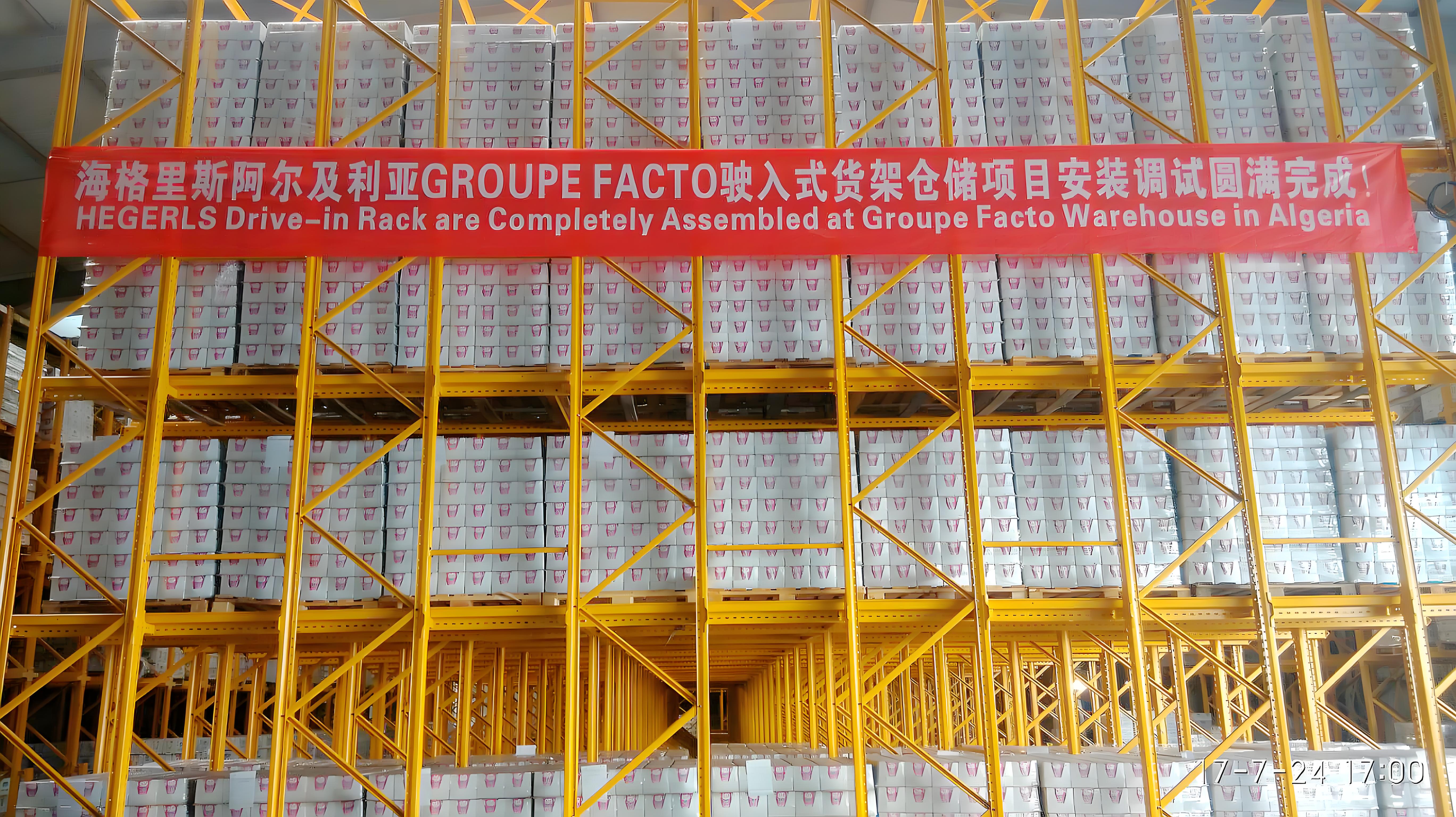
Algeria FACTO Group Storage Project
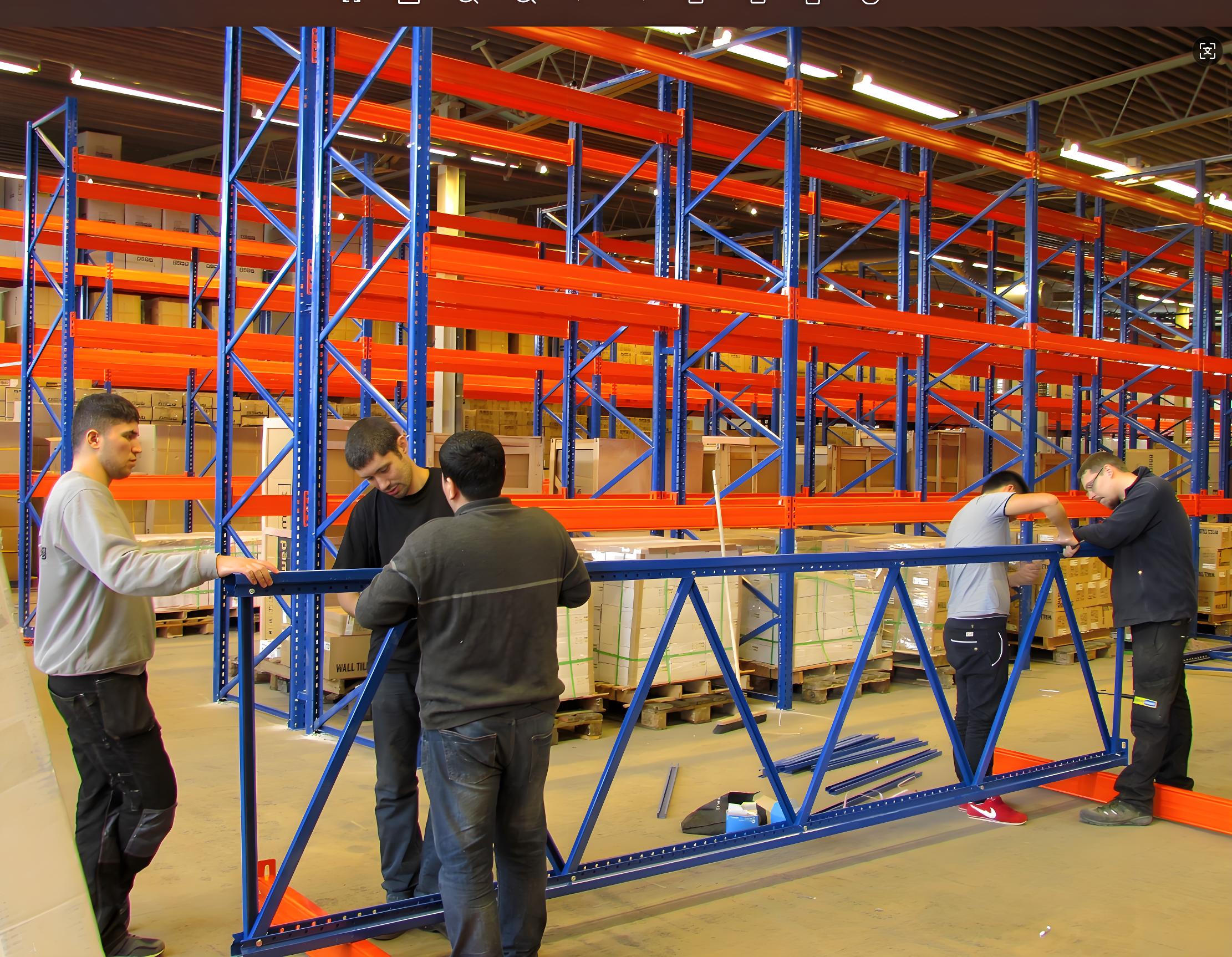
Sweden's SWEDMART company's crossbeam warehouse project

Integrated Warehouse Rack Project in Morocco | Rack Supported Warehouse
Related Products

MOBILE: +86 133 1595 3337
E-mails: hgls-wm@hbgysw.com
Office: Room 1118, Building No.6, Tatan Mall, Tatong Street, Shijiazhuang, China
Production base: 68 Shidai Road,Xinhe Industrial Park,Hebei Province
Website: https://www.woke-hercules.com



All rights reserved©2025 Hebei Woke Metal Products Co., ltd.