

-
SOLUTIONSIn recent years, “Hegerls" HD shuttle storage system have improved, upgraded, more intelligent, flexible, and more systematic, which can meet the different needs of customers in various industries.
 SERVICE
 -
-
R & DObtained more than ten national patents for automated logistics warehousing equipment such as shuttle cars, stackers, and mobile shelves, awarded SGS, BV, and TUV international product quality inspection agency certificates, as well as the "Quality, Environment, Health" ISO three major system certification certificates.
SERVICE
-
PROJECTSAfter Haigelis entered the international market in 2011, it exported supermarket equipment, warehousing equipment, and related supporting products to countries and regions such as North America, South America, Europe, Southeast Asia, and Africa. In recent years, the company has increased its efforts in the research and development of automated warehousing equipment.
SERVICE
-
BlogProfessional articles, guides, and insights on warehouse racking and automated storage systems.
SERVICE
-
HEGERLSIt's developed over 20 years, our company has become a one-stop integrated service provider of warehousing and logistics, integrating warehousing and logistics project design...
SERVICE

APPLICATION
13 Types of Warehouses and How to Choose the Right Storage Solution
Classification:
FAQ
Release time:
2025-09-02
Warehousing is one of the most important foundations of global supply chains. From storing raw materials to delivering finished products to end customers, warehouses act as the central hub that connects manufacturing, distribution, and retail. Without effective warehousing, companies would face delays, higher costs, and dissatisfied customers.
In today’s world of e-commerce growth, globalization, and automation, there are more warehouse types than ever before. Choosing the right one is not only a matter of storage, but also of efficiency, scalability, and long-term competitiveness.
This guide will cover:
1. The main types of warehouses and their features.
2. Advantages, disadvantages, and industries suited for each type.
3. Practical advice on how to choose the right warehouse for your business.
4. How HEGERLS warehousing solutions help companies modernize their operations.
By the end, you’ll have a complete roadmap to understand and select the most suitable warehousing solution for your needs.
1. Private Warehouses
Owned and operated by manufacturers, distributors, or wholesalers.
● Advantages: Full operational control, customized layout and technology.
● Disadvantages: High investment and fixed costs.
● Best for: Enterprises with stable demand and high storage volume (e.g., automobile manufacturers, retail chains).
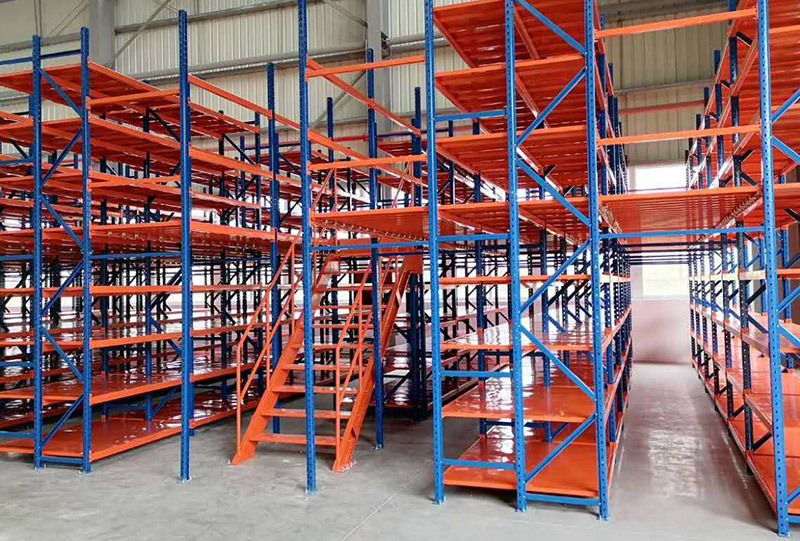
💡 HEGERLS provides customized pallet racking systems and multi-tier warehouse solutions for private warehouses, helping maximize storage density.

2. Public Warehouses
Available for multiple businesses on a rental basis.
● Advantages: Cost-effective, flexible, no major investment required.
● Disadvantages: Limited control and customization.
● Best for: SMEs, seasonal businesses, startups testing new markets.
3. Bonded Warehouses
Government-licensed warehouses used for storing imported goods until customs duties are paid.
● Advantages: Deferred duty payments, secure storage for international trade.
● Disadvantages: Strict regulations, additional paperwork.
● Best for: Importers/exporters, international trade companies.
4. Government Warehouses
Owned and managed by government authorities to support industries, farmers, or public trade.
● Advantages: Affordable rental rates, safe storage for agricultural produce.
● Disadvantages: Limited technology adoption, slower service.
● Best for: Farmers, cooperatives, and small businesses in developing regions.
5. Distribution Centers
Focused on quick turnover and shipment rather than long-term storage.
● Advantages: Supports just-in-time (JIT) systems, improves delivery speed.
● Disadvantages: High operational and labor costs.
● Best for: E-commerce companies, retailers, wholesalers.
💡 HEGERLS stacker crane systems and conveyor solutions are widely used in automated distribution centers, enabling fast and accurate order fulfillment.

6. Fulfillment Centers
A specialized type of distribution center that handles order picking, packing, and shipping directly to customers.
● Advantages: Optimized for e-commerce, reduces delivery time, handles returns.
● Disadvantages: Requires advanced technology and skilled labor.
● Best for: Online retailers (Amazon FBA, Shopify merchants).
💡 HEGERLS offers shuttle systems and AS/RS solutions for fulfillment centers to achieve high-speed and error-free operations.
7. Cold Storage Warehouses
Equipped with refrigeration or freezing systems for temperature-sensitive products.
● Advantages: Maintains product quality, prevents spoilage.
● Disadvantages: High energy consumption and maintenance costs.
● Best for: Food, pharmaceuticals, agriculture, biotechnology.
💡 HEGERLS provides cold storage pallet racking systems designed to withstand low temperatures while maintaining structural stability.
8. Climate-Controlled Warehouses
Maintain stable humidity and temperature for sensitive goods.
● Advantages: Prevents damage to electronics, artwork, medical supplies.
● Disadvantages: More expensive than standard storage.
● Best for: Luxury goods, electronics, chemicals, archives.
9. Smart & Automated Warehouses
Use robotics, AI, and warehouse management systems (WMS).
● Advantages: High accuracy, faster order fulfillment, reduced labor costs.
● Disadvantages: High initial setup and technical expertise needed.
● Best for: Large-scale logistics providers, e-commerce giants.
💡 HEGERLS specializes in Automated Storage & Retrieval Systems (AS/RS), Vertical Lift Modules (VLMs), and shuttle-based dense storage systems that bring smart warehouse automation to life.
10. Cooperative Warehouses
Owned and managed by a group of businesses for mutual benefit.
● Advantages: Cost-sharing, collaborative use.
● Disadvantages: Shared management can be less efficient.
● Best for: Agricultural cooperatives, local businesses.
11. On-Demand Warehouses
Flexible warehouse spaces rented only when required.
● Advantages: Pay-as-you-go, supports scaling during peak seasons.
● Disadvantages: Limited long-term availability.
● Best for: Startups, businesses with fluctuating demand.
12. Cross-Docking Warehouses
Designed for fast transfer of goods from inbound to outbound shipments with minimal storage.
● Advantages: Lower storage cost, faster supply chain.
● Disadvantages: Requires advanced logistics coordination.
● Best for: Perishable goods, retail chains, fast-moving consumer goods (FMCG).
💡 HEGERLS offers shuttle car systems and conveyor integration for cross-docking warehouses to minimize handling time.
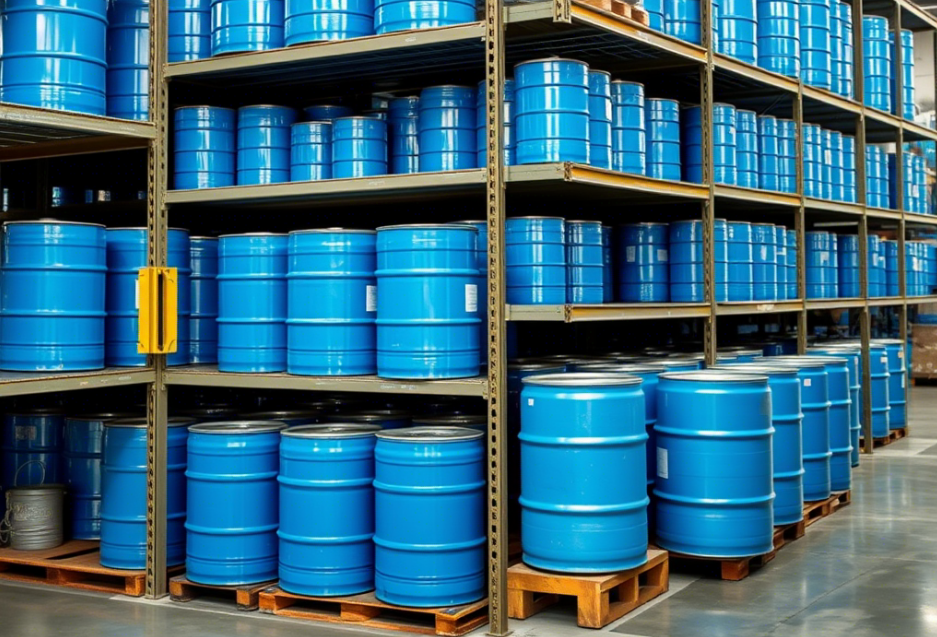
13. Hazardous Material Warehouses
Specialized storage for chemicals, flammable goods, or dangerous substances.
● Advantages: Safety compliance, reduces risks of accidents.
● Disadvantages: High regulatory costs, strict handling rules.
● Best for: Chemical industry, oil & gas, pharmaceuticals.
How to Choose the Right Type of Warehouse
Now that we’ve explored the different warehouse types, the question is: How do you choose the right one for your business?
Here are the key factors to consider:
1. Nature of Goods
Perishable → Cold storage or climate-controlled.
Hazardous → Specialized hazardous material warehouses.
High-value items → Private or automated warehouses for higher security.
2. Business Model
E-commerce → Fulfillment centers, distribution centers, automated warehouses.
Manufacturing → Private warehouses, bonded warehouses.
Seasonal/Small Business → Public or on-demand warehouses.
3. Location & Accessibility
Choose warehouses closer to:
Raw material sources (for manufacturers).
Customers (for retailers/e-commerce).
Ports or customs (for import/export businesses).
4. Storage Duration
Short-term: Cross-docking, distribution centers.
Long-term: Private warehouses, government warehouses.
5. Scalability
If demand is growing: Automated warehouses or modular racking systems.
If demand is uncertain: Public or on-demand warehouses.
6. Budget & Technology
Limited budget → Public or cooperative warehouses.
High efficiency & automation needs → Smart warehouses with AS/RS, shuttle systems, and robotics.
💡 HEGERLS helps companies evaluate their needs and provides tailored solutions ranging from traditional pallet racking to fully automated AS/RS warehouses.
HEGERLS – Your Partner in Modern Warehousing
With almost 30 years of expertise, HEGERLS delivers integrated warehousing solutions:
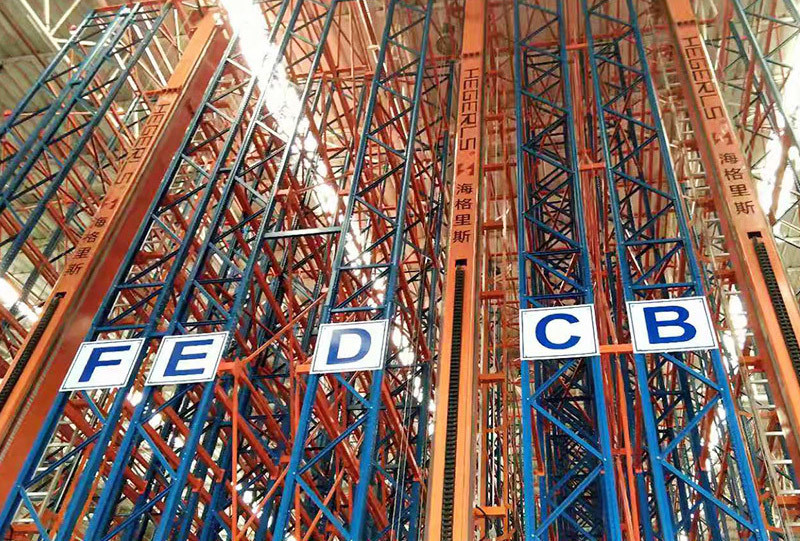
● Automated Stacker Crane Systems – high-rise storage with fast retrieval.
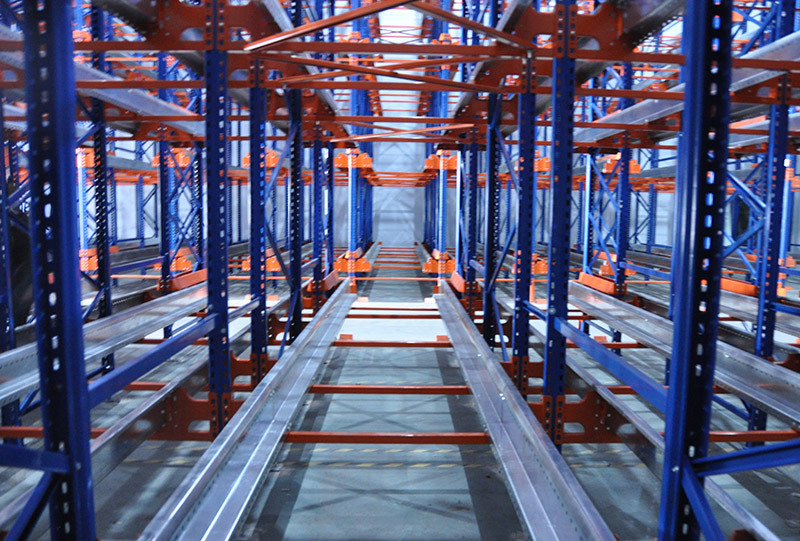
● Shuttle Storage Systems – dense storage with multi-direction shuttle cars.
● Rack Supported Warehouse- for large-scale, high-density storage.
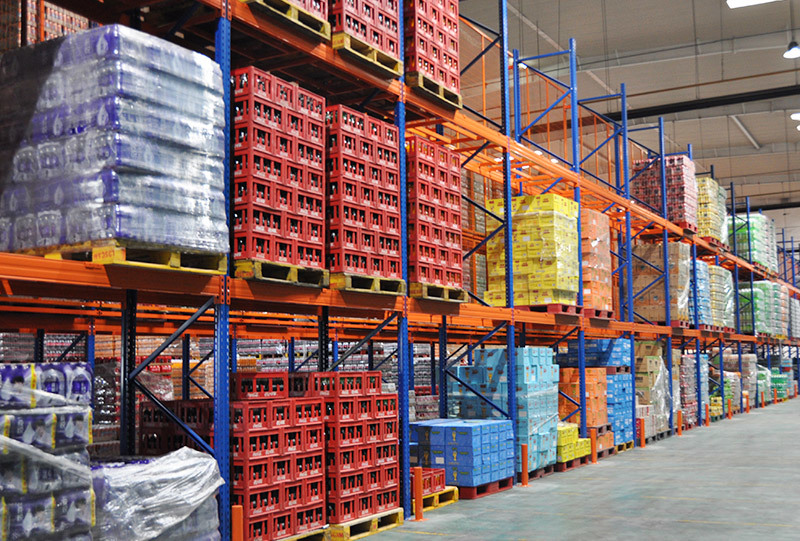
● Pallet Racking & Drive-in Racking – for versatile storage needs.
● Cold Storage Racking Solutions – built for sub-zero environments.
Our solutions are designed for industries including e-commerce, food, pharmaceuticals, manufacturing, and logistics providers.
Ready to modernize your warehouse?
Contact HEGERLS today to discuss your project and discover how our automated solutions can transform your storage and logistics operations.
Key words:
Related Solutions
Related Cases
Pallet Shuttle System for Dense Storage: Types, Components, Advantages & Applications

Warehouse Pallet Storage Racks: The Complete 2026 Guide to Space Optimization and Efficiency
Related Products

MOBILE: +86 133 1595 3337
E-mails: hgls-wm@hbgysw.com
Office: Room 1118, Building No.6, Tatan Mall, Tatong Street, Shijiazhuang, China
Production base: 68 Shidai Road,Xinhe Industrial Park,Hebei Province
Website: https://www.woke-hercules.com



All rights reserved©2025 Hebei Woke Metal Products Co., ltd.