

-
SOLUTIONSIn recent years, “Hegerls" HD shuttle storage system have improved, upgraded, more intelligent, flexible, and more systematic, which can meet the different needs of customers in various industries.
 SERVICE
 -
-
R & DObtained more than ten national patents for automated logistics warehousing equipment such as shuttle cars, stackers, and mobile shelves, awarded SGS, BV, and TUV international product quality inspection agency certificates, as well as the "Quality, Environment, Health" ISO three major system certification certificates.
SERVICE
-
PROJECTSAfter Haigelis entered the international market in 2011, it exported supermarket equipment, warehousing equipment, and related supporting products to countries and regions such as North America, South America, Europe, Southeast Asia, and Africa. In recent years, the company has increased its efforts in the research and development of automated warehousing equipment.
SERVICE
-
BlogProfessional articles, guides, and insights on warehouse racking and automated storage systems.
SERVICE
-
HEGERLSIt's developed over 20 years, our company has become a one-stop integrated service provider of warehousing and logistics, integrating warehousing and logistics project design...
SERVICE

APPLICATION
How to Improve Warehouse Productivity: Complete Guide for 2026
Classification:
FAQ
Release time:
2026-04-13
Improving warehouse productivity has become a top priority for logistics, manufacturing, and e-commerce companies. As order volumes increase and customer expectations rise, businesses must find smarter ways to increase warehouse efficiency, reduce operational costs, and optimize workflows.
This guide explains how to improve warehouse operations, implement warehouse process improvement, and build a better warehouse system that supports long-term growth.

What Is Warehouse Productivity?
Warehouse productivity refers to how efficiently a warehouse converts available resources—such as labor, space, equipment, and time—into completed operational outputs like picking, packing, storage, and shipping.
In simple terms, it measures how much work a warehouse can complete with the least waste of time and cost.
A high-performing warehouse is not just fast—it is also accurate, scalable, and consistent. Productivity is typically measured using KPIs such as:
- Orders processed per hour
- Picking accuracy rate
- Labor efficiency (orders per worker per hour)
- Dock-to-stock time
- Order cycle time
Warehouse productivity is the measurement of operational efficiency in a warehouse, indicating how effectively labor, space, and time are used to fulfill orders and manage inventory.
Why It Matters
In modern supply chains, warehouse productivity directly impacts:
- Customer satisfaction (faster delivery)
- Operational cost structure
- Inventory turnover speed
- Competitive advantage
📊 Industry insight:
Warehouses that actively track productivity metrics can improve performance by 20–30% within the first year.
How to Improve Warehouse Productivity?
Improving warehouse productivity requires a combination of process optimization, technology adoption, and workforce management.
1. Optimize Warehouse Layout for Better Flow
A poorly designed layout is one of the biggest causes of inefficiency.
Best practices:
- Reduce travel distance for pickers
- Place fast-moving items near packing zones
- Use vertical storage space efficiently
- Create dedicated inbound/outbound zones
👉 This is one of the most effective warehouse improvement strategies.

2. Implement Warehouse Automation
Automation significantly improves warehouse operational efficiency.
Automation solutions include:
- Shuttle systems
- AS/RS systems
- Conveyor systems
- AGVs and AMRs
📊 Impact:
- 30–60% increase in efficiency
- Reduced manual labor dependency
👉 Automation is essential for companies aiming to increase warehouse productivity at scale.
3. Improve Inventory Management Accuracy
Poor inventory control leads to delays and errors.
Solutions:
- Real-time inventory tracking
- Barcode & RFID systems
- Automated replenishment alerts
👉 Better inventory visibility directly improves warehouse efficiency.
4. Train Employees for Higher Efficiency
Even in automated environments, skilled workers are essential.
Training focus:
- Picking accuracy
- Equipment handling
- Safety procedures
- System usage (WMS/WCS)
👉 Well-trained staff significantly improve warehouse process improvement outcomes.
5. Use Data Analytics for Decision Making
Modern warehouses rely on data-driven optimization.
Key metrics:
- Order cycle time
- Picking accuracy
- Labor productivity
- Storage utilization
👉 Data helps identify bottlenecks and supports continuous improvement.
6. Reduce Travel Time in Picking Operations
Travel time is one of the biggest productivity killers.
Solutions:
- Zone picking
- Batch picking
- Automated storage systems
- Smart routing algorithms
📊 Up to 50% of warehouse labor time is spent walking—this must be optimized.

7. Standardize Warehouse Processes
Standard operating procedures (SOPs) ensure consistency.
Benefits:
- Fewer errors
- Faster training
- Better workflow control
👉 Standardization is key to building a better warehouse system.
How to Improve Warehouse Operations?
Warehouse operations cover receiving, storage, picking, packing, and shipping. Improving these areas requires targeted optimization.
Receiving Optimization
- Use automated scanning systems
- Pre-assign dock schedules
- Reduce unloading time
Storage Optimization
- Use vertical storage systems
- Apply dynamic slotting strategies
- Store fast-moving SKUs closer to dispatch zones
Picking Optimization
- Zone picking or batch picking
- Use pick-to-light systems
- Introduce robotics or shuttle systems
Shipping Optimization
- Automated sorting systems
- Integrated dispatch scheduling
- Cross-docking for fast-moving goods
Key Insight:
Operational inefficiency usually comes from poor coordination between processes, not just one weak area.
👉 An efficient warehouse is not just fast—it is accurate, scalable, and cost-effective.
Warehouse Efficiency Tips
Improving warehouse efficiency requires small but impactful changes that accumulate into large gains.
High-Impact Efficiency Tips:
✔ Place high-demand SKUs near packing stations
✔ Reduce walking distance for workers
✔ Use barcode/RFID scanning for accuracy
✔ Automate repetitive tasks
✔ Optimize inventory replenishment cycles
✔ Use real-time dashboards for visibility
Advanced Tip:
Implement ABC classification:
- A items = fast moving
- B items = medium moving
- C items = slow moving
This helps optimize storage and picking routes.
📊 Fact:
Up to 50% of warehouse labor time is wasted on movement, not actual work.
Warehouse Process Improvement
Warehouse process improvement focuses on eliminating inefficiencies and optimizing workflows using lean principles.
Lean Warehouse Principles:
1. Eliminate Waste
Remove unnecessary movement, waiting, and duplication.
2. Improve Flow
Ensure smooth transition between receiving, storage, and shipping.
3. Reduce Bottlenecks
Identify slow points in operations and fix them.
4. Standardize Work
Ensure every worker follows optimized procedures.
5. Continuous Improvement (Kaizen)
Regularly refine processes based on performance data.
📊 Impact:
Lean implementation can improve warehouse performance by 20–35%.
Ways to Improve Warehouse Efficiency
There are multiple strategic ways to improve warehouse efficiency, especially in large-scale operations.
1. Implement Warehouse Automation
Automation reduces human dependency and increases consistency.
2. Upgrade Storage Systems
High-density systems like AS/RS or shuttle systems improve space utilization.
3. Introduce Smart Warehouse Technology
AI and IoT enable real-time optimization.
4. Improve Labor Allocation
Assign tasks based on skill level and workload balance.
5. Improve Inventory Accuracy
Use real-time tracking systems to avoid stock mismatches.
6. Reduce Order Cycle Time
Optimize picking routes and automate sorting.
Key Insight:
Efficiency improvement is cumulative—small gains across multiple areas create large overall impact.

Common Problems That Reduce Warehouse Productivity
1. Poor layout design
2. Manual-heavy operations
3. Lack of real-time data
4. Inefficient picking systems
5. Inventory inaccuracy
6. Untrained workforce
👉 Identifying these issues is the first step in warehouse improvement.
Technology That Improves Warehouse Productivity
Technology plays a central role in modern warehouse efficiency improvement.
Warehouse Management System (WMS)
- Controls inventory
- Tracks orders
- Provides analytics
Warehouse Control System (WCS)
- Coordinates automation equipment
- Executes real-time operations
Robotics Systems
- AGVs and AMRs
- Automated picking systems
IoT Sensors
- Monitor equipment health
- Track inventory movement
AI Optimization
- Demand forecasting
- Route optimization
📊 Result:
Technology adoption can increase efficiency by 30–60% depending on warehouse scale.

Industry Impact: Why Warehouse Efficiency Matters
High warehouse efficiency leads to:
- Faster delivery times
- Lower operational costs
- Higher customer satisfaction
- Stronger supply chain resilience
👉 In competitive industries like e-commerce, efficiency directly affects profitability.
Future Trends in Warehouse Efficiency
1. Fully Automated Warehouses
Minimal human intervention.
2. AI-Driven Optimization
Self-learning systems.
3. Robotics Expansion
More autonomous operations.
4. Digital Twin Technology
Virtual warehouse simulation.
5. Sustainable Warehousing
Energy-efficient operations.
FAQ: How to Improve Warehouse Productivity
What is the fastest way to improve warehouse productivity?
The fastest way to improve warehouse productivity is through warehouse automation combined with an optimized warehouse layout. Implementing systems like automated storage and retrieval, along with reducing unnecessary travel time, can deliver immediate efficiency gains.
How can you improve warehouse efficiency?
Warehouse efficiency can be improved by optimizing facility layout, integrating automation technologies, training employees effectively, and leveraging real-time data analytics for better decision-making and inventory control.
What are the best warehouse efficiency tips?
Key warehouse efficiency tips include:
- Reducing picking and travel time through smart layout design
- Implementing real-time inventory tracking systems
- Optimizing storage locations based on demand frequency
- Using automation solutions such as conveyors or shuttle systems
How to run an efficient warehouse?
To run an efficient warehouse, businesses should combine standardized operational processes, modern warehouse management systems (WMS), automation technologies, and continuous workforce training to ensure smooth and scalable operations.
What causes low warehouse productivity?
Low warehouse productivity is often caused by inefficient layout design, excessive manual processes, lack of automation, poor inventory visibility, and insufficient employee training.
Improve Your Warehouse Productivity Today
Looking to increase warehouse efficiency and upgrade your operations?
We provide:
- Warehouse automation systems
- Shuttle racking solutions
- Smart warehouse design
- Custom efficiency optimization plans
👉 Contact us today to build a better warehouse with higher productivity and lower cost.
Key words:
how to improve warehouse productivity,improve warehouse efficiency,warehouse efficiency tips,warehouse process improvement,warehouse operational efficiency
Related Solutions
Related Cases
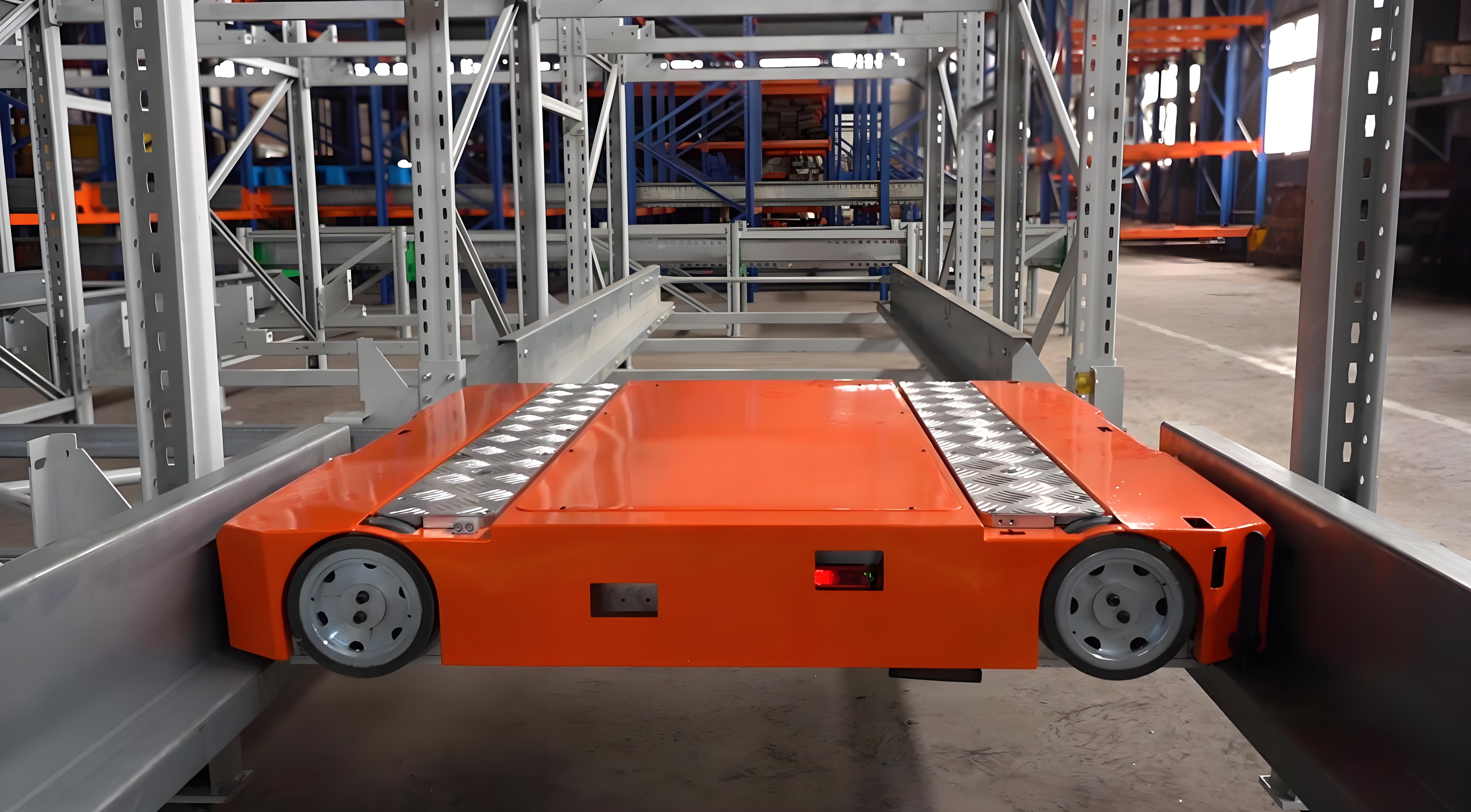

Integrated Warehouse Rack Project in Morocco | Rack Supported Warehouse
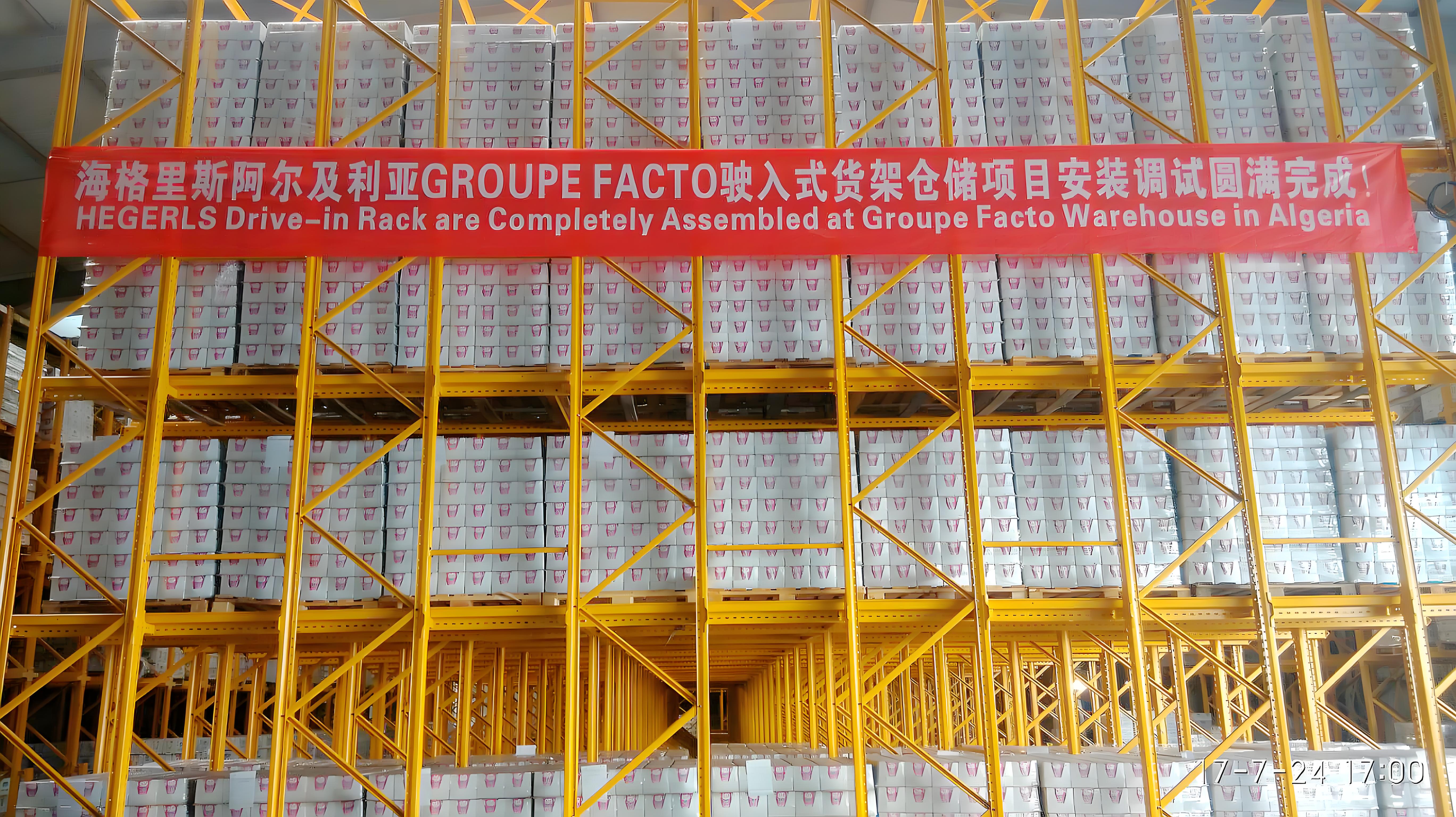
Algeria FACTO Group Storage Project
Related Products

MOBILE: +86 133 1595 3337
E-mails: hgls-wm@hbgysw.com
Office: Room 1118, Building No.6, Tatan Mall, Tatong Street, Shijiazhuang, China
Production base: 68 Shidai Road,Xinhe Industrial Park,Hebei Province
Website: https://www.woke-hercules.com



All rights reserved©2025 Hebei Woke Metal Products Co., ltd.