

-
SOLUTIONSIn recent years, “Hegerls" HD shuttle storage system have improved, upgraded, more intelligent, flexible, and more systematic, which can meet the different needs of customers in various industries.
 SERVICE
 -
-
R & DObtained more than ten national patents for automated logistics warehousing equipment such as shuttle cars, stackers, and mobile shelves, awarded SGS, BV, and TUV international product quality inspection agency certificates, as well as the "Quality, Environment, Health" ISO three major system certification certificates.
SERVICE
-
PROJECTSAfter Haigelis entered the international market in 2011, it exported supermarket equipment, warehousing equipment, and related supporting products to countries and regions such as North America, South America, Europe, Southeast Asia, and Africa. In recent years, the company has increased its efforts in the research and development of automated warehousing equipment.
SERVICE
-
BlogProfessional articles, guides, and insights on warehouse racking and automated storage systems.
SERVICE
-
HEGERLSIt's developed over 20 years, our company has become a one-stop integrated service provider of warehousing and logistics, integrating warehousing and logistics project design...
SERVICE

APPLICATION
Best Warehouse Management Software (WMS): Complete Guide to Systems, Features, and Recommendations
Classification:
Industry Info
Release time:
2026-05-12
What is WMS?
A Warehouse Management System (WMS) is a software solution designed to control, optimize, and automate warehouse operations such as inventory tracking, order fulfillment, picking, packing, and shipping.
In modern logistics environments, WMS systems serve as the operational “brain” of the warehouse, coordinating both digital data and physical workflows.
Industry Data:
- Inventory accuracy can reach 99–99.9%
- Labor efficiency improves by 20–40%
- Order processing speed increases by 25–50%

What Does WMS Stand For and What Is It in Logistics?
WMS stands for Warehouse Management System.
In logistics, WMS is responsible for managing the internal movement of goods, bridging the gap between inventory storage and order fulfillment.
Role of WMS in Logistics Chain
| Stage | System | Function |
|---|---|---|
| Procurement | ERP | Planning |
| Storage | WMS | Execution |
| Distribution | TMS | Delivery |
Insight:
Companies that integrate WMS into logistics operations reduce fulfillment errors by 30%+.
How Does a WMS Work?
A WMS operates by digitizing and coordinating warehouse workflows through real-time data processing.
Core Operational Logic
- Data input (receiving)
- System allocation (storage slotting)
- Task generation (picking/packing)
- Execution monitoring
- Output control (shipping)
Workflow Efficiency Table
| Process | Without WMS | With WMS |
|---|---|---|
| Receiving accuracy | 85–90% | 99%+ |
| Picking speed | Medium | +30–50% |
| Error rate | High | -25–40% |
In many warehouse projects, HEGERLS is involved in system planning where WMS workflows are aligned with physical storage layouts to improve overall operational efficiency.
WMS System Architecture
A modern WMS operates through a structured architecture that ensures scalability, real-time performance, and integration capability.
Core Architecture Layers
| Layer | Function | Impact |
|---|---|---|
| UI Layer | Dashboard & control | User efficiency |
| Logic Layer | Rules & algorithms | Process automation |
| Data Layer | Database management | Accuracy |
System Integration Layer
WMS connects with:
- ERP systems
- Warehouse Control Systems (WCS)
- Automation equipment
- IoT devices
Data Insight:
Integrated architecture improves system responsiveness by 15–25%
Types of Warehouse Management Systems
Choosing the right warehouse management system (WMS) depends on factors such as warehouse size, operational complexity, integration requirements, and long-term scalability.
In today’s logistics environment, WMS solutions are typically divided into three main categories: SaaS (cloud-based), On-Premise, and Hybrid systems. Each type offers distinct advantages and limitations.
Industry Insight:
- SaaS WMS adoption has increased by 60%+ globally
- Over 70% of new WMS deployments are now cloud-based
- Hybrid systems are growing in complex automation environments
1. SaaS Warehouse Management System (Cloud WMS)
A SaaS warehouse management system is a cloud-based solution hosted on external servers and accessed via the internet.
Key Features
- Subscription-based pricing model
- Fast deployment (weeks instead of months)
- Remote accessibility
- Automatic updates and maintenance
- Easy scalability across multiple locations
Performance Data
| Metric | Impact |
|---|---|
| Deployment time | -50–70% |
| IT infrastructure cost | -30–50% |
| Scalability | High |
Advantages
✔ Lower upfront cost
✔ Minimal IT maintenance
✔ Ideal for fast-growing businesses
Limitations
✖ Limited customization
✖ Dependence on internet connectivity
Best Use Cases
- E-commerce warehouses
- 3PL logistics providers
- Small to medium-sized businesses
In many modern warehouse projects, HEGERLS supports infrastructure planning where cloud-based WMS systems are paired with scalable storage layouts to enable future expansion.
2. On-Premise Warehouse Management System
An on-premise WMS is installed locally on a company’s own servers and managed internally.
Key Features
- Full system control
- High customization capability
- Data stored on-site
- Deep integration with legacy systems
Performance Data
| Metric | Impact |
|---|---|
| Customization level | Very High |
| Data control | Maximum |
| Deployment time | Long (3–12 months) |
Advantages
✔ Full data ownership
✔ Highly customizable workflows
✔ Suitable for complex operations
Limitations
✖ High upfront investment
✖ Longer implementation time
✖ Requires dedicated IT resources
Best Use Cases
- Large manufacturing enterprises
- Highly regulated industries
- Complex warehouse environments
In large-scale industrial warehouse systems, HEGERLS is often involved in designing customized storage structures that align with highly tailored on-premise WMS workflows.
3. Hybrid Warehouse Management System
A hybrid WMS combines cloud-based flexibility with on-premise control.
Key Features
- Partial cloud deployment
- Local control for critical operations
- Flexible integration capabilities
- Balanced scalability and customization
Performance Data
| Metric | Impact |
|---|---|
| Flexibility | High |
| Integration capability | Very High |
| Cost | Medium |
Advantages
✔ Balanced control and scalability
✔ Better integration with automation systems
✔ Suitable for multi-site operations
Limitations
✖ More complex system architecture
✖ Requires careful integration planning
Best Use Cases
- Large distribution centers
- Multi-location warehouses
- Automation-heavy environments
In many automated warehouse projects, HEGERLS supports hybrid system environments where WMS, automation equipment, and storage systems must work together seamlessly.
WMS Types Comparison Table
| Type | Cost | Flexibility | Customization | Deployment Speed | Best For |
|---|---|---|---|---|---|
| SaaS WMS | Low | High | Medium | Fast | SMEs / E-commerce |
| On-Premise WMS | High | Medium | Very High | Slow | Large enterprises |
| Hybrid WMS | Medium | High | High | Medium | Complex logistics |
- SaaS WMS systems are the fastest-growing due to scalability and cost efficiency
- On-premise WMS provides maximum customization and data control
- Hybrid WMS offers a balance between flexibility and integration capability
- Over 70% of new WMS deployments are cloud-based
- Choosing the right WMS depends on warehouse size, complexity, and integration needs
Selecting a WMS type is not only about software—it directly impacts warehouse layout design, operational workflows, and automation compatibility.
For example:
- SaaS systems require flexible and scalable warehouse layouts
- On-premise systems often require highly structured workflows
- Hybrid systems demand tight integration between software and physical systems
In many real-world warehouse implementations, HEGERLS is involved in aligning warehouse infrastructure with the selected WMS type, ensuring that storage systems, picking strategies, and automation workflows support long-term operational efficiency.
Quick Selection Guide
| Business Scenario | Recommended WMS Type |
|---|---|
| Startups / SMEs | SaaS WMS |
| Large enterprise | On-Premise WMS |
| Growing multi-site operations | Hybrid WMS |
Choosing the right type of warehouse management system is a strategic decision that affects not only software performance but also warehouse efficiency, scalability, and long-term operational costs.
In many projects, HEGERLS supports warehouse system planning where WMS types are aligned with storage infrastructure and operational workflows, helping businesses achieve better efficiency and scalability.
Core Warehouse Management System Features
1. Inventory Tracking and Management
Inventory tracking is the foundation of any WMS.
What It Does:
- Tracks inventory in real time
- Monitors stock levels across locations
- Supports barcode and RFID scanning
- Provides batch and serial number tracking
Impact Table
| Metric | Without WMS | With WMS |
|---|---|---|
| Inventory accuracy | 85–90% | 99%+ |
| Stock visibility | Limited | Real-time |
| Shrinkage | High | Reduced |
Why It Matters
Real-time inventory tracking reduces stock discrepancies and prevents overstocking or stockouts.
In many warehouse implementations, HEGERLS helps design storage systems that support accurate inventory tracking by aligning rack layouts with WMS location mapping logic.
2. Order Management and Fulfillment
Order management is a critical feature that directly impacts customer satisfaction.
What It Does:
- Processes inbound and outbound orders
- Allocates inventory automatically
- Optimizes order picking sequences
- Manages returns and reverse logistics
Performance Data
| Metric | Improvement |
|---|---|
| Order accuracy | +25–40% |
| Fulfillment speed | +30–50% |
| Error rate | -20–35% |
Why It Matters
Efficient order fulfillment reduces delays and improves delivery performance, especially in e-commerce and 3PL environments.
3. Warehouse Slotting Optimization
Slotting optimization determines where products should be stored in the warehouse.
What It Does:
- Assigns optimal storage locations
- Groups fast-moving SKUs for quick access
- Reduces travel distance for picking
Efficiency Impact
| Factor | Improvement |
|---|---|
| Picking time | -20–40% |
| Travel distance | -15–30% |
| Labor productivity | +20–35% |
Why It Matters
Optimized slotting significantly improves picking efficiency and reduces labor costs.
In practical applications, HEGERLS often supports warehouse layout planning where slotting strategies are aligned with storage system design to maximize efficiency.
4. Barcode and RFID Integration
Modern WMS systems integrate scanning technologies for accurate data capture.
What It Does:
- Enables fast product identification
- Reduces manual data entry
- Supports automated workflows
Technology Comparison
| Technology | Accuracy | Speed | Use Case |
|---|---|---|---|
| Barcode | High | Fast | Standard warehouses |
| RFID | Very High | Very Fast | High-value inventory |
Why It Matters
Automation of data capture improves accuracy and reduces human errors.
5. Labor Management and Task Allocation
Labor is one of the highest costs in warehouse operations.
What It Does:
- Assigns tasks dynamically
- Tracks worker productivity
- Optimizes labor allocation
Labor Efficiency Data
| Metric | Improvement |
|---|---|
| Labor productivity | +20–35% |
| Task efficiency | +25–40% |
| Idle time | -15–25% |
Why It Matters
Efficient labor management improves productivity while reducing operational costs.
6. Real-Time Reporting and Analytics
Data-driven decision-making is essential for modern warehouses.
What It Does:
- Provides dashboards and KPIs
- Tracks performance metrics
- Supports predictive analytics
Reporting Benefits
| KPI | Improvement |
|---|---|
| Decision speed | +30% |
| Forecast accuracy | +20–35% |
| Operational visibility | Full transparency |
Why It Matters
Real-time insights allow managers to make faster and more accurate decisions.
7. Integration with Automation Systems
Advanced WMS systems integrate with warehouse automation technologies.
What It Does:
- Connects with ASRS systems
- Integrates with conveyors and robotics
- Synchronizes with WCS
Automation Impact
| System | Efficiency Gain |
|---|---|
| ASRS | +30–50% |
| Robotics | +25–40% |
| Conveyor systems | +20–35% |
Why It Matters
Integration with automation is critical for scaling warehouse operations.
In many automated warehouse projects, HEGERLS is involved in designing storage and racking systems that work seamlessly with WMS and automation technologies, ensuring smooth system coordination.
Summary of WMS Features Impact
| Feature | Primary Benefit | Efficiency Impact |
|---|---|---|
| Inventory tracking | Accuracy | High |
| Order management | Speed | Very High |
| Slotting optimization | Efficiency | High |
| Automation integration | Scalability | Very High |
| Analytics | Decision-making | Medium |
- WMS features improve warehouse efficiency by up to 45%
- Inventory tracking enables 99%+ accuracy
- Slotting optimization reduces picking time by 20–40%
- Automation integration significantly increases scalability
- Real-time analytics improves decision-making speed
Choosing a WMS should not be based on features alone. The real performance of these features depends on how well they align with warehouse layout, storage systems, and operational workflows.
In many real-world implementations, HEGERLS is involved in aligning warehouse infrastructure with WMS functionality, helping ensure that features such as slotting, picking, and automation integration deliver maximum value.
Benefits of Top Warehouse Management Software
Implementing a modern warehouse management software (WMS) is one of the most effective ways to improve warehouse operations. Beyond simple inventory tracking, WMS systems deliver measurable improvements across efficiency, accuracy, cost control, and scalability.
Industry Benchmark:
- Efficiency improvement: 20–40%
- Inventory accuracy: up to 99.9%
- Labor cost reduction: 15–30%
- Order fulfillment speed increase: 25–50%
1. Improved Inventory Accuracy
One of the most immediate benefits of a WMS is accurate, real-time inventory tracking.
What Improves:
- Real-time stock visibility
- Reduced manual errors
- Accurate location tracking
Accuracy Comparison
| Metric | Without WMS | With WMS |
|---|---|---|
| Inventory accuracy | 85–90% | 99–99.9% |
| Stock discrepancies | Frequent | Minimal |
| Visibility | Limited | Real-time |
Why It Matters
Accurate inventory reduces stockouts, prevents overstocking, and improves customer satisfaction.
In many warehouse implementations, HEGERLS helps align storage layouts with WMS location logic to ensure higher inventory accuracy and traceability.
2. Increased Operational Efficiency
WMS systems streamline warehouse workflows and reduce unnecessary movement.
Key Improvements:
- Optimized picking routes
- Automated task allocation
- Faster order processing
Efficiency Gains
| Area | Improvement |
|---|---|
| Picking speed | +30–50% |
| Order processing | +25–40% |
| Workflow efficiency | +20–40% |
Why It Matters
Efficient workflows reduce operational delays and increase throughput capacity without increasing labor.
3. Reduced Labor Costs
Labor is one of the largest cost factors in warehouse operations.
Cost Reduction Drivers:
- Automation of repetitive tasks
- Better workforce allocation
- Reduced overtime and idle time
Labor Impact
| Metric | Improvement |
|---|---|
| Labor productivity | +20–35% |
| Labor cost | -15–30% |
| Idle time | -15–25% |
Why It Matters
Optimizing labor usage directly improves profit margins and operational efficiency.
4. Faster Order Fulfillment
Speed is critical, especially in e-commerce and logistics.
What Improves:
- Faster picking and packing
- Reduced order cycle time
- Improved shipping coordination
Fulfillment Performance
| Metric | Improvement |
|---|---|
| Order cycle time | -25–50% |
| Delivery speed | +20–40% |
| Customer satisfaction | Increased |
Why It Matters
Faster fulfillment leads to higher customer retention and competitive advantage.
In many high-throughput warehouse projects, HEGERLS supports storage system design that reduces picking distance and improves order fulfillment efficiency when integrated with WMS workflows.
5. Better Space Utilization
WMS systems optimize how warehouse space is used.
Optimization Methods:
- Intelligent slotting
- High-density storage strategies
- Reduced unused space
Space Utilization Data
| Metric | Improvement |
|---|---|
| Storage density | +20–50% |
| Space utilization | +15–30% |
| Warehouse capacity | Increased |
Why It Matters
Better space utilization delays the need for warehouse expansion and reduces costs.
6. Real-Time Visibility and Control
WMS provides full transparency into warehouse operations.
What You Gain:
- Real-time dashboards
- Performance tracking
- Instant alerts
Visibility Impact
| KPI | Improvement |
|---|---|
| Decision speed | +30% |
| Error detection | Faster |
| Operational control | Full |
Why It Matters
Managers can make faster, data-driven decisions, reducing operational risks.
7. Scalability for Business Growth
WMS systems enable warehouses to grow without major operational disruptions.
Scalability Features:
- Multi-location support
- Cloud-based expansion
- Flexible system configuration
Growth Impact
| Metric | Improvement |
|---|---|
| Scalability | High |
| Expansion cost | Reduced |
| System flexibility | Increased |
Why It Matters
A scalable WMS supports long-term business growth and market expansion.
In many expanding warehouse operations, HEGERLS is involved in designing scalable storage systems that support future growth alongside WMS implementation.
8. Integration with Automation Systems
Modern warehouses increasingly rely on automation.
Integration Capabilities:
- ASRS systems
- Robotics
- Conveyor systems
- IoT devices
Automation Impact
| Technology | Efficiency Gain |
|---|---|
| ASRS | +30–50% |
| Robotics | +25–40% |
| Conveyors | +20–35% |
Why It Matters
Integration with automation technologies is essential for achieving high-performance warehouse operations.
Overall Benefits Summary Table
| Benefit | Impact |
|---|---|
| Inventory accuracy | 99%+ |
| Efficiency | +20–40% |
| Labor cost | -15–30% |
| Order speed | +25–50% |
| Space utilization | +15–30% |
- WMS improves warehouse efficiency by up to 40%
- Inventory accuracy can reach 99.9%
- Labor costs can be reduced by 15–30%
- Order fulfillment speed increases by up to 50%
- Space utilization improves by up to 30%
While the benefits of warehouse management software are clear, achieving these results depends on how well the system is implemented and integrated with warehouse infrastructure.
A WMS alone cannot deliver maximum value without proper warehouse layout, storage systems, and process design.
In many real-world warehouse projects, HEGERLS is involved in aligning warehouse storage systems with WMS functionality—ensuring that improvements in efficiency, accuracy, and scalability are fully realized.
Investing in the right WMS is not just about software—it is about transforming warehouse operations into a more efficient, scalable, and data-driven system.
Combining WMS with optimized warehouse infrastructure is the key to unlocking its full potential.
How to Choose the Best Warehouse Management Software
1. Warehouse Size
- Small → SaaS WMS
- Large → Enterprise WMS
2. Integration Capability
Must integrate with:
- ERP
- Automation systems
- Barcode scanners
3. Scalability
Cloud systems are preferred for growth.
4. Cost Structure
SaaS WMS reduces upfront cost by 40–70%
5. Feature Requirements
- Inventory tracking
- Automation support
- Reporting tools
Selection Table
| Requirement | Recommended WMS |
|---|---|
| Low cost | SaaS WMS |
| High control | On-premise |
| Scalability | Hybrid |
Future Trends in Warehouse Management Systems
1. AI-Powered WMS
AI optimizes inventory and forecasting.
Efficiency improvement: 15–30%
2. Automation Integration
WMS + robotics + ASRS systems.
3. Real-Time Analytics
Live warehouse dashboards.
4. Cloud-First Architecture
SaaS systems dominate market.
5. Smart Supply Chain Integration
End-to-end logistics visibility.

Recommended Best Warehouse Management Software (WMS Solutions)
After understanding what a Warehouse Management System (WMS) is and how it works, the next step for most businesses is selecting the right software based on warehouse size, industry type, and operational complexity.
Below are some of the most widely used warehouse management software solutions in the global logistics and supply chain industry.
1. HEGERLS CC-WMS
HEGERLS CC-WMS is a comprehensive warehouse management solution designed to seamlessly integrate with HEGERLS automated storage and retrieval systems (ASRS), shuttle racking systems, and vertical storage modules.
Key Advantages:
- Full integration with HEGERLS automation devices: Supports conveyors, shuttles, and vertical lift modules for high-speed material flow.
- Real-time inventory control: Tracks stock across multiple warehouse zones with 99%+ accuracy.
- Dynamic order fulfillment: Optimizes picking routes and automates task allocation for both human operators and robots.
- Scalable architecture: Suitable for small distribution centers to multi-million SKU industrial warehouses.
Performance Data (HEGERLS CC-WMS + Automated Storage)
| Metric | Without CC-WMS | With CC-WMS + HEGERLS Automation |
|---|---|---|
| Order fulfillment speed | Baseline | +40–60% |
| Inventory accuracy | 90% | 99%+ |
| Labor utilization | Moderate | +25–35% efficiency |
| Space utilization | Standard | +20–30% with optimized slotting |
Why It Stands Out
HEGERLS CC-WMS is particularly effective for warehouses that already utilize or plan to adopt HEGERLS automated storage systems, including shuttle systems, vertical lift modules, and ASRS. The seamless integration ensures that warehouse automation achieves maximum throughput without bottlenecks.

2. SAP Extended Warehouse Management (SAP EWM)
SAP EWM is one of the most advanced enterprise-level warehouse management systems used by large global organizations.
Key Features:
- Advanced warehouse automation control
- Complex inventory optimization
- Strong ERP integration (SAP ecosystem)
- High scalability for global operations
Performance Insight:
Large enterprises using SAP EWM report 20–35% improvement in warehouse process efficiency.
Best For:
- Large enterprises
- Manufacturing supply chains
- Global distribution networks
3. Oracle Warehouse Management Cloud (Oracle WMS Cloud)
Oracle WMS Cloud is a cloud-based SaaS warehouse management system designed for scalability and real-time operations.
Key Features:
- Cloud-native architecture
- Real-time inventory tracking
- AI-based demand forecasting
- Multi-location warehouse control
Insight:
Cloud WMS adoption reduces IT infrastructure cost by 30–50%.
Best For:
- Fast-growing e-commerce companies
- 3PL logistics providers
- Multi-warehouse operations
4. Microsoft Dynamics 365 Supply Chain Management
Microsoft’s WMS solution is part of its supply chain ecosystem, offering strong integration with ERP and business intelligence tools.
Key Features:
- End-to-end supply chain visibility
- AI-driven inventory planning
- Integrated analytics dashboard
- Seamless Microsoft ecosystem integration
Insight:
Companies using Dynamics 365 report 25–40% improvement in planning accuracy.
Best For:
- Mid-to-large enterprises
- Manufacturing and retail
- Microsoft ecosystem users
5. Manhattan Associates WMS
Manhattan WMS is widely used in high-volume distribution environments.
Key Features:
- Advanced order fulfillment engine
- Labor management optimization
- High-performance warehouse automation support
- Strong omnichannel capability
Insight:
Can improve order fulfillment speed by 30–50% in high-volume warehouses.
Best For:
- Retail distribution centers
- Large-scale logistics hubs
- Omnichannel fulfillment operations
WMS Software Comparison Table
| WMS Solution | Deployment Type | Strength | Best For |
|---|---|---|---|
| HEGERLS CC-WMS | On-premise / Cloud | native integration with HEGERLS devices | Automation-heavy warehouses |
| SAP EWM | On-prem / Hybrid | Enterprise control | Large manufacturing |
| Oracle WMS Cloud | SaaS | Flexibility | E-commerce / 3PL |
| Microsoft Dynamics 365 | Hybrid | Integration | Mid-large enterprise |
| Manhattan WMS | Enterprise | Fulfillment speed | Retail logistics |
Key Insight
- SAP EWM is best for complex enterprise warehouse operations
- Oracle WMS Cloud is optimized for scalability and flexibility
- Microsoft Dynamics 365 focuses on supply chain integration
- Manhattan WMS excels in high-volume order fulfillment environments
How HEGERLS Fits Into WMS Selection
In real-world warehouse projects, software selection alone is not enough. The performance of a WMS depends heavily on how well it integrates with physical warehouse infrastructure.
In many industrial and logistics projects, HEGERLS is involved in warehouse system planning where racking systems, storage layouts, and automation structures are designed to support WMS execution logic.
This ensures:
- Faster picking routes
- Higher storage density utilization
- Better system synchronization
- Scalable warehouse expansion
Choosing the right WMS depends on your warehouse size, automation level, and long-term growth strategy. In most cases, software performance is maximized only when combined with optimized warehouse design and storage systems.
In many integrated warehouse projects, HEGERLS supports system-level planning where WMS software and warehouse infrastructure are aligned to achieve higher operational efficiency and scalability.
👉 If you are planning to upgrade your warehouse system, combining software and physical storage design is the key to long-term performance. Contact HEGERLS today to get your customized solutions.
FAQ
1. Which software is best for warehouse management?
The best warehouse management software depends on your business size, industry, and operational complexity. Large enterprises often choose systems like SAP EWM or Manhattan WMS, while small to medium businesses prefer SaaS-based solutions for flexibility and lower cost.
In many real-world warehouse projects, HEGERLS supports system planning where the selected WMS is aligned with storage layout and operational workflows, helping improve overall efficiency and scalability.
2. What is the most popular warehouse management system?
Some of the most widely used warehouse management systems include SAP EWM, Oracle WMS Cloud, Microsoft Dynamics 365, and Manhattan Associates WMS. These systems are popular due to their scalability, integration capabilities, and advanced features.
In practical applications, HEGERLS helps ensure these systems perform effectively by designing warehouse infrastructure that supports high-density storage and efficient material flow.
3. What is the best warehouse management system for small businesses?
For small businesses, SaaS warehouse management systems are usually the best choice because they offer low upfront costs, fast deployment, and easy scalability.
HEGERLS often supports growing businesses by providing flexible warehouse layout solutions that can adapt alongside SaaS WMS platforms, making future expansion easier.
4. What is the best warehouse management approach?
The best warehouse management approach combines software systems like WMS with optimized warehouse layout, efficient workflows, and automation technologies.
In many warehouse optimization projects, HEGERLS is involved in designing storage systems that align with WMS processes, helping businesses achieve higher efficiency and better space utilization.
5. What does a warehouse management system actually do?
A WMS manages inventory, controls warehouse operations, optimizes picking and packing processes, and improves order accuracy.
HEGERLS supports warehouse system planning where WMS functionality is enhanced through efficient storage design, ensuring smoother operations and better performance.
6. Is a cloud-based WMS better than on-premise systems?
Cloud-based WMS systems are generally more flexible, scalable, and cost-effective, especially for growing businesses. However, on-premise systems may be better for companies requiring high customization and strict data control.
HEGERLS helps align warehouse infrastructure with either system type, ensuring both cloud and on-premise WMS solutions can achieve optimal operational efficiency.
7. How much does a warehouse management system cost?
The cost of a WMS varies depending on the type of system. SaaS solutions may cost a few hundred to several thousand dollars per month, while enterprise systems can require significant upfront investment.
In many projects, HEGERLS helps optimize warehouse design to maximize the return on investment (ROI) of WMS implementation by improving space utilization and workflow efficiency.
8. How long does it take to implement a WMS?
Implementation time can range from a few weeks for SaaS systems to several months for complex enterprise solutions.
HEGERLS supports warehouse planning during implementation, helping ensure that storage systems and operational layouts are ready to work efficiently with the new WMS.
Key words:
wms,warehouse management,warehouse management system,wms software,best warehouse management software
Related Cases
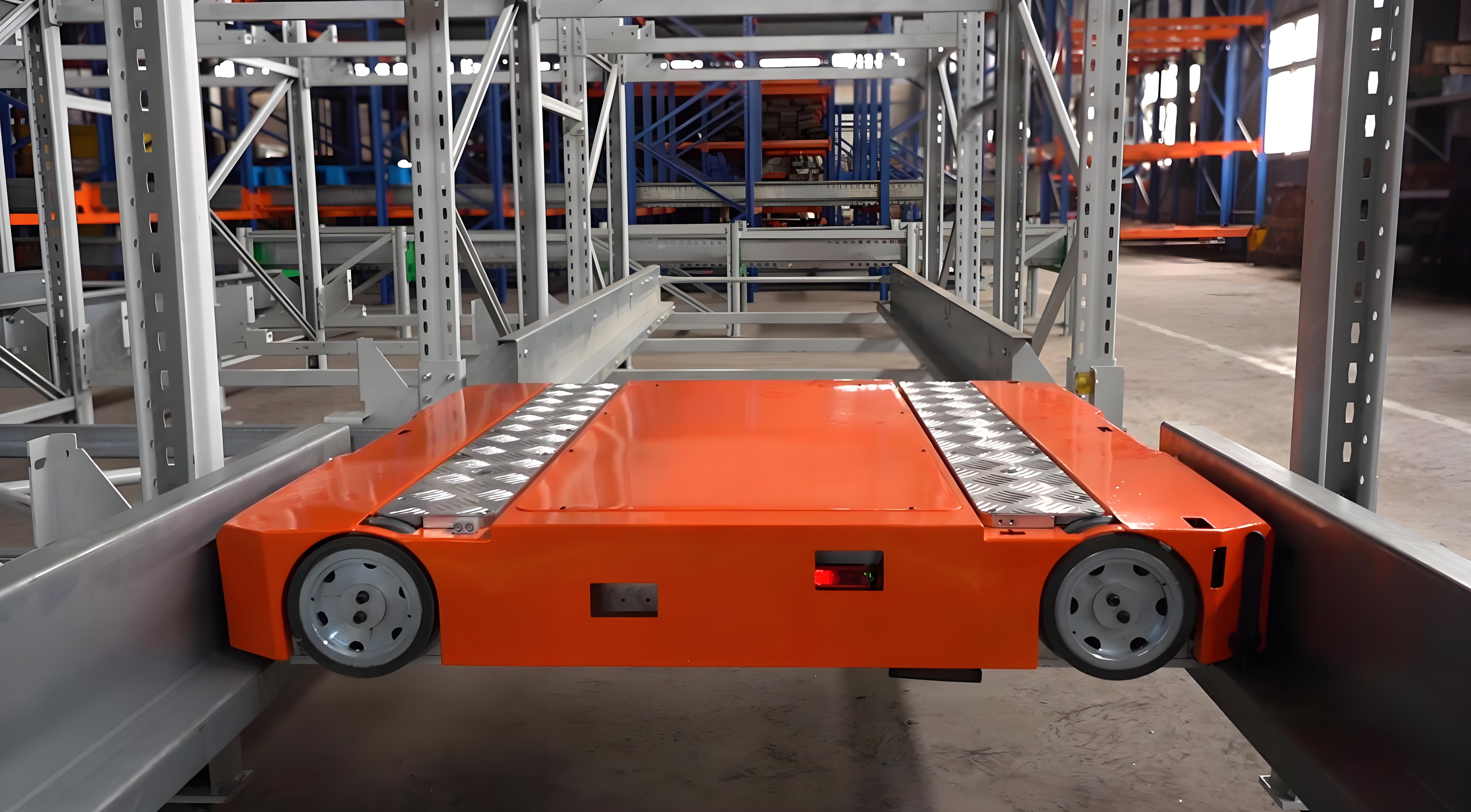

Integrated Warehouse Rack Project in Morocco | Rack Supported Warehouse
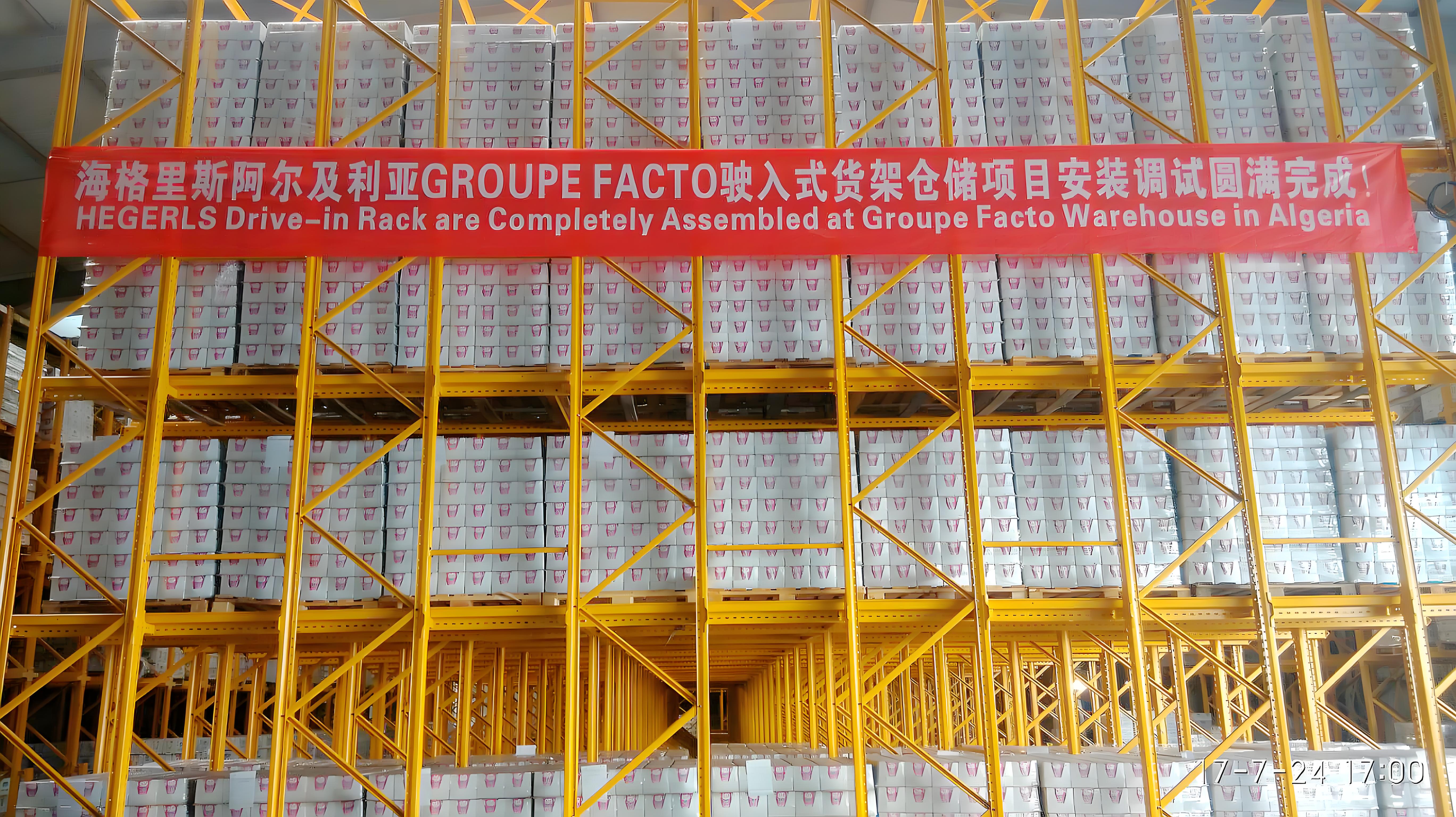
Algeria FACTO Group Storage Project
Related Products

MOBILE: +86 133 1595 3337
E-mails: hgls-wm@hbgysw.com
Office: Room 1118, Building No.6, Tatan Mall, Tatong Street, Shijiazhuang, China
Production base: 68 Shidai Road,Xinhe Industrial Park,Hebei Province
Website: https://www.woke-hercules.com



All rights reserved©2025 Hebei Woke Metal Products Co., ltd.