

-
SOLUTIONSIn recent years, “Hegerls" HD shuttle storage system have improved, upgraded, more intelligent, flexible, and more systematic, which can meet the different needs of customers in various industries.
 SERVICE
 -
-
R & DObtained more than ten national patents for automated logistics warehousing equipment such as shuttle cars, stackers, and mobile shelves, awarded SGS, BV, and TUV international product quality inspection agency certificates, as well as the "Quality, Environment, Health" ISO three major system certification certificates.
SERVICE
-
PROJECTSAfter Haigelis entered the international market in 2011, it exported supermarket equipment, warehousing equipment, and related supporting products to countries and regions such as North America, South America, Europe, Southeast Asia, and Africa. In recent years, the company has increased its efforts in the research and development of automated warehousing equipment.
SERVICE
-
BlogProfessional articles, guides, and insights on warehouse racking and automated storage systems.
SERVICE
-
HEGERLSIt's developed over 20 years, our company has become a one-stop integrated service provider of warehousing and logistics, integrating warehousing and logistics project design...
SERVICE

APPLICATION
High-Bay Warehouse: Maximizing Space and Efficiency in Modern Warehousing
Classification:
Industry Info
Release time:
2026-05-18
The high-bay warehouse is a modern storage solution designed to maximize vertical space, increase storage density, and improve operational efficiency. With the growth of e-commerce, high SKU volumes, and limited warehouse space, these facilities have become essential for businesses worldwide.
High-bay warehouses integrate automation, advanced racking systems, warehouse management software (WMS), and robotics to achieve faster picking, more accurate inventory tracking, and better resource utilization.

What is a High-Bay Warehouse?
A high-bay warehouse (also known as high-rise warehouse) refers to storage facilities with racks exceeding 12 meters in height. These warehouses rely on automated material handling equipment such as stacker cranes, shuttles, conveyors, and vertical lift modules for efficient storage and retrieval.
Key Features:
- Vertical storage optimization: Utilize maximum height to reduce footprint
- Automated material handling: ASRS, shuttles, and conveyors improve efficiency
- Integration with WMS: Real-time inventory management and control
- High-density storage: Store more SKUs in less floor space
Industry Benchmark:
- Storage density: 3–5× conventional warehouses
- Floor space savings: 60–70%
- Picking accuracy: 99%+ with automation
Types of Automated High-Bay Warehouses
High-bay warehouses vary depending on automation and storage solutions:
| Type | Description | Ideal Use Case |
|---|---|---|
| Automated High-Bay Racking | Uses stacker cranes for pallet storage/retrieval | Bulk pallet storage in industrial warehouses |
| Shuttle High-Bay Systems | Mobile shuttles navigate racks | High-density SKU storage in e-commerce |
| Automated Vertical Storage | Vertical lift modules (VLMs) | Manufacturing parts storage |
| Mixed-Use High-Bay | Combines cranes, shuttles, and conveyors | Multi-client 3PL warehouses |
Why HEGERLS?
HEGERLS designs all types of high-bay warehouses with automation-first planning, ensuring seamless integration with CC-WMS and automated shuttles, maximizing throughput and space utilization.
Key Components of a High-Bay Warehouse
- Racking Systems: Tall, narrow racks designed for vertical storage.
- Stacker Cranes / Shuttles: Automated ASRS equipment transport pallets or bins efficiently.
- Conveyor & Sorting Systems: Optimizes movement to picking/packing zones.
- Warehouse Management Software (WMS): Controls storage, retrieval, and workflow.
- Sensors & IoT Devices: Monitor stock, equipment, and safety conditions.

High-Bay Warehouse Component Data
| Component | Height / Capacity | Efficiency Impact |
|---|---|---|
| Racking | 12–50 m | +60–70% storage density |
| Stacker Crane | 1–3 m/s lift speed | +40–50% order throughput |
| Shuttle | 2–3 m/s horizontal | High-density retrieval efficiency |
| Conveyor | 0.5–2 m/s | +25% material handling speed |
Benefits of High-Bay Warehouses
1. Maximize Vertical Space
High-bay warehouses use vertical space to increase storage without expanding the floor area.
HEGERLS Advantage: When paired with HEGERLS automated shuttles, warehouses can maximize storage density and streamline picking routes, reducing labor costs and space requirements.
2. Improved Picking and Inventory Accuracy
Automation reduces human error and ensures real-time inventory control.
- Picking accuracy: 99%+
- Inventory discrepancy reduction: 80–90%
3. Labor Efficiency
Automated cranes, shuttles, and conveyors reduce manual labor, allowing employees to focus on high-value tasks.
- Labor savings: 25–40%
- Throughput increase without additional workforce
4. Scalability and Flexibility
High-bay warehouses can grow vertically or integrate new automation technologies without major redesign.
- Supports business expansion
- Adapts to changing SKU profiles
5. Faster Order Fulfillment
Optimized picking, sorting, and retrieval systems reduce order cycle time.
- Order processing speed: +40–60%
- Delivery accuracy: 99%+
6. Better Space Utilization
| Metric | Traditional Warehouse | High-Bay Warehouse | HEGERLS Optimized |
|---|---|---|---|
| Storage density | 1× | 3–5× | 4–5× |
| Floor space used | 100% | 30–40% | 25–35% |
| Picking travel distance | Long | Moderate | Optimized with shuttles |
Applications of High-Bay Warehouses
High-bay warehouses serve multiple industries:
- E-commerce & Retail: High SKU variety, fast turnover
- Food & Beverage: Temperature-controlled vertical racks
- Automotive & Manufacturing: Parts storage with vertical lift modules
- 3PL & Logistics: Multi-client, high-density storage
Market Trend Data:
- Global adoption of automated high-bay warehouses: CAGR 10–12% through 2030
- Top demand sectors: E-commerce (45%), Cold storage (20%), Manufacturing (15%)

What is the Difference Between High-Bay and Low-Bay Warehouses?
Warehouse design is often categorized by the height of the storage racks. Understanding the difference between high-bay and low-bay warehouses is crucial for selecting the right storage solution.
| Feature | High-Bay Warehouse | Low-Bay Warehouse |
|---|---|---|
| Rack Height | ≥ 12 meters | ≤ 8 meters |
| Storage Density | Very high (3–5× floor space efficiency) | Moderate |
| Automation | Highly automated (shuttles, ASRS, cranes) | Often manual or semi-automated |
| Picking Speed | Fast with automated systems | Moderate, manual picking |
| Floor Space Utilization | Optimized vertical space | Limited, spreads horizontally |
| Ideal Use Case | High SKU variety, bulk storage, limited floor space | Low SKU variety, light manufacturing, small warehouses |
HEGERLS Advantage: HEGERLS specializes in high-bay warehouses, providing automation solutions that maximize vertical space, improve picking accuracy, and seamlessly integrate with HEGERLS CC-WMS, giving companies a significant competitive edge compared to conventional low-bay facilities.
How to Choose the Right High-Bay Warehouse
Factors to consider:
| Factor | Consideration | Recommendation |
|---|---|---|
| Floor space & height | Maximize vertical capacity | Select racking suitable for 12–50m height |
| SKU type | Fast-moving or bulk | Shuttles for high-density SKUs, cranes for pallets |
| Automation | Manual vs automated | HEGERLS automation ensures efficiency |
| Software | WMS compatibility | Integrate with HEGERLS CC-WMS |
| Scalability | Future growth | Plan modular expansion |
Future Trends in High-Bay Warehouses
- AI-driven Operations: Predictive slotting and replenishment
- IoT & Real-Time Monitoring: Smart sensors for stock and equipment
- Robotics Integration: Autonomous mobile robots for last-mile retrieval
- Sustainable Warehousing: Energy-efficient cranes, LED lighting, and solar power
Efficiency Gains Forecast
| Trend | Expected Efficiency Gain | Impact |
|---|---|---|
| AI Slotting | +15–25% | Faster picking, less error |
| IoT Monitoring | +10–20% | Proactive maintenance |
| Robotics AMR | +20–30% | Labor reduction, faster retrieval |
| Sustainable Systems | +5–10% | Lower energy cost |
Why Choose HEGERLS
HEGERLS provides high-bay warehouse solutions fully compatible with:
- Automated shuttles
- stacker cranes
- Vertical lift modules
- Conveyor and picking automation
Advantages:
- Optimized storage density
- Seamless WMS integration
- Scalable, future-proof design
With HEGERLS, warehouses achieve higher throughput, reduced labor costs, and improved inventory accuracy, while leveraging advanced automation technology.

FAQ
1. What dose high-bay warehouse mean?
A high-bay warehouse features tall racks (≥12 meters) with automation for storage and retrieval. HEGERLS ensures seamless integration with shuttles, stacker cranes, and vertical lift modules, improving picking efficiency and storage density.
2. What types of high-bay warehouse systems exist?
Common types include stacker cranes, shuttle systems, vertical lift modules (VLMs), and mixed systems. HEGERLS provides solutions for all types with automation-first planning for faster throughput.
3. How much space can a high-bay warehouse save?
High-bay warehouses can increase storage density 3–5 times compared to conventional layouts. HEGERLS designs maximize vertical space without sacrificing accessibility or safety.
4. Are high-bay warehouses suitable for e-commerce?
Yes, especially for warehouses with high SKU variety and fast turnover. HEGERLS automation ensures rapid order picking, improving fulfillment speed and accuracy.
5. What is the ROI on high-bay warehouse automation?
Automation can reduce labor costs by 25–40% and improve order fulfillment speed by 40–60%. HEGERLS systems are engineered to deliver maximum ROI through optimized workflows and integration with CC-WMS.
6. Can high-bay warehouses integrate with WMS?
Yes. HEGERLS CC-WMS integrates natively with high-bay systems for automated storage and retrieval, real-time inventory updates, and task allocation for both human operators and robots.
7. How scalable are high-bay warehouses?
High-bay warehouses are highly scalable both vertically and modularly. HEGERLS solutions allow for future expansion without redesigning the facility or replacing automation equipment.
8. What makes a high-bay warehouse different from a low-bay warehouse?
A high-bay warehouse utilizes vertical space with racks ≥12 meters and is usually fully automated for maximum density and speed. A low-bay warehouse has shorter racks (≤8 meters) and often relies on manual operations. HEGERLS provides high-bay solutions with shuttles, ASRS, and vertical lift modules that optimize storage, reduce labor costs, and improve inventory accuracy—advantages that low-bay setups rarely achieve.
9. How do high-bay warehouses improve inventory accuracy?
Automation reduces human error and provides real-time inventory updates. HEGERLS systems with CC-WMS maintain 99%+ accuracy, minimizing stock discrepancies.
10. Are high-bay warehouses energy-efficient?
Yes, modern high-bay warehouses use LED lighting, energy-efficient cranes, and smart HVAC systems. HEGERLS solutions are designed with sustainability in mind, lowering energy costs while maintaining high throughput.
11. How long does it take to implement a high-bay warehouse?
Implementation varies by size and complexity, typically 6–18 months for large facilities. HEGERLS provides a turnkey approach, from design and installation to WMS integration, ensuring faster deployment.
12. What industries benefit most from high-bay warehouses?
E-commerce, retail, automotive, food and beverage, and 3PL providers benefit from high-density, automated storage. HEGERLS tailors solutions for each industry, optimizing storage, picking, and inventory management.
To maximize storage density, improve picking accuracy, and scale operations, contact HEGERLS today for custom high-bay warehouse solutions and automated storage systems.
Key words:
highbay warehouse,automated highbay warehouse,highbay storage system,high-rise warehouse,automated highbay racking
Related Solutions
Related Cases
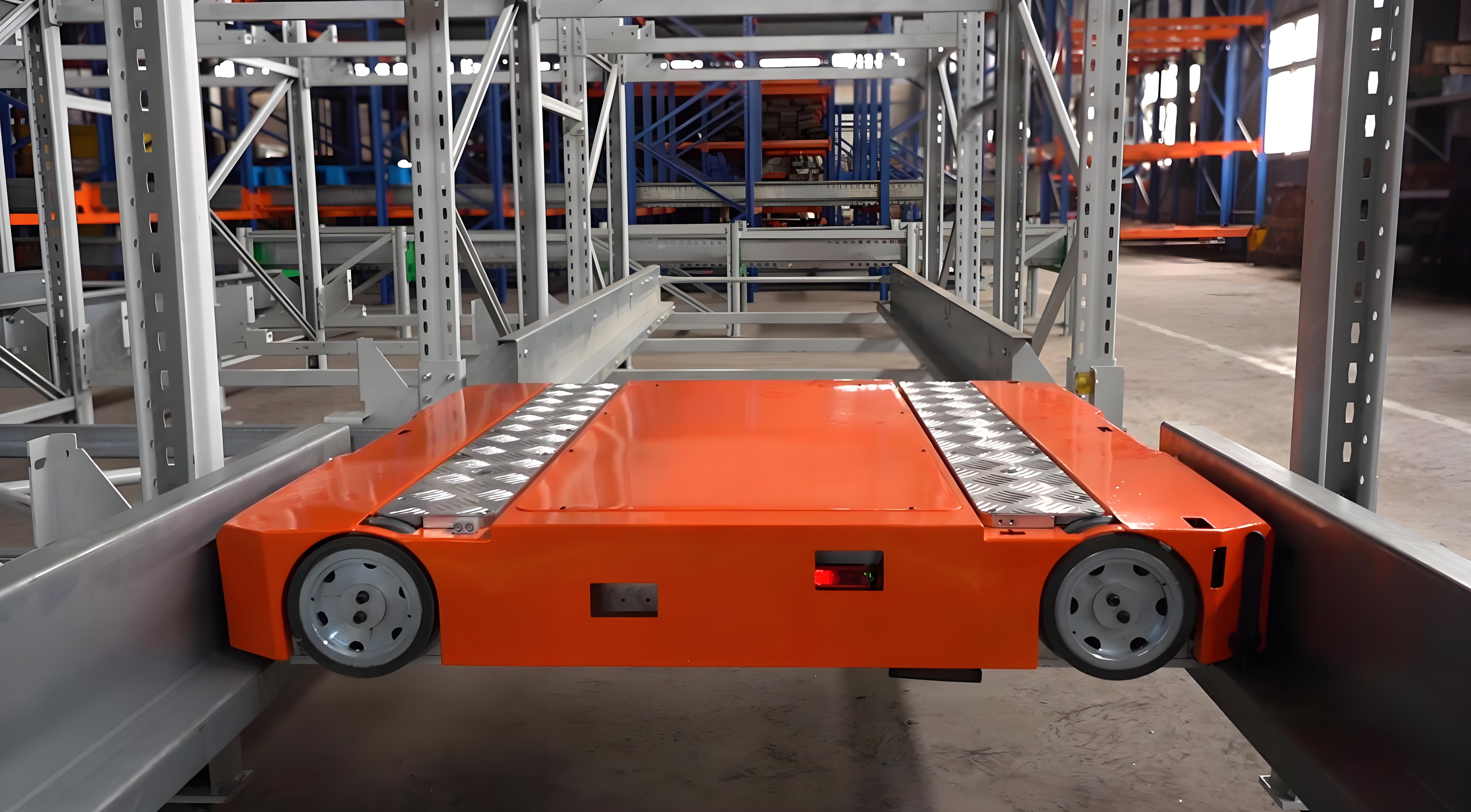

Integrated Warehouse Rack Project in Morocco | Rack Supported Warehouse
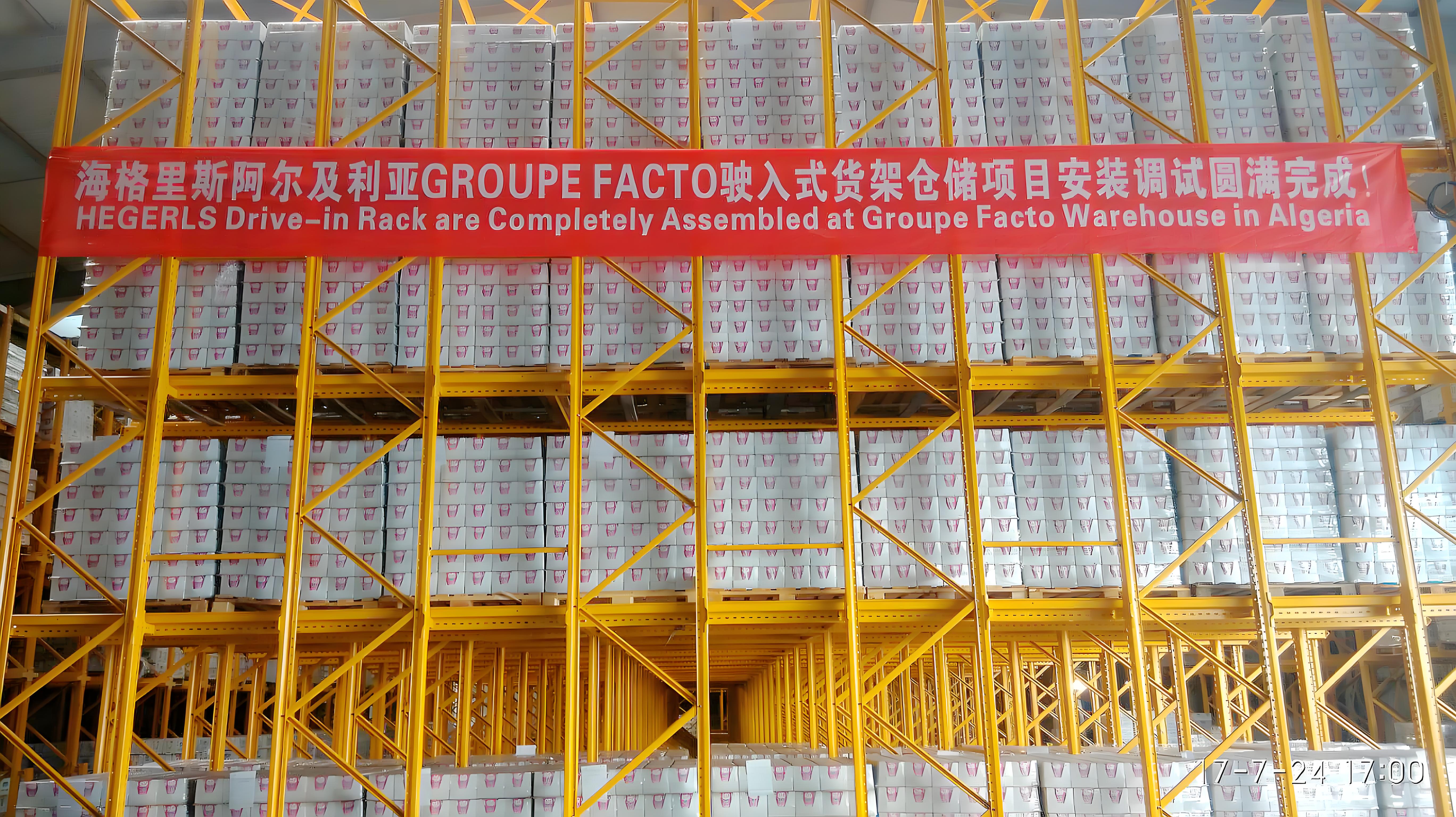
Algeria FACTO Group Storage Project
Related Products

MOBILE: +86 133 1595 3337
E-mails: hgls-wm@hbgysw.com
Office: Room 1118, Building No.6, Tatan Mall, Tatong Street, Shijiazhuang, China
Production base: 68 Shidai Road,Xinhe Industrial Park,Hebei Province
Website: https://www.woke-hercules.com



All rights reserved©2025 Hebei Woke Metal Products Co., ltd.