

-
SOLUTIONSIn recent years, “Hegerls" HD shuttle storage system have improved, upgraded, more intelligent, flexible, and more systematic, which can meet the different needs of customers in various industries.
 SERVICE
 -
-
R & DObtained more than ten national patents for automated logistics warehousing equipment such as shuttle cars, stackers, and mobile shelves, awarded SGS, BV, and TUV international product quality inspection agency certificates, as well as the "Quality, Environment, Health" ISO three major system certification certificates.
SERVICE
-
PROJECTSAfter Haigelis entered the international market in 2011, it exported supermarket equipment, warehousing equipment, and related supporting products to countries and regions such as North America, South America, Europe, Southeast Asia, and Africa. In recent years, the company has increased its efforts in the research and development of automated warehousing equipment.
SERVICE
-
BlogProfessional articles, guides, and insights on warehouse racking and automated storage systems.
SERVICE
-
HEGERLSIt's developed over 20 years, our company has become a one-stop integrated service provider of warehousing and logistics, integrating warehousing and logistics project design...
SERVICE

APPLICATION
Manufacturing Racking Systems: Complete Guide to Industrial Racking Solutions & Warehouse Storage
Classification:
Industry Info
Release time:
2026-04-28
In modern manufacturing environments, efficient storage is essential for maintaining production flow, reducing downtime, and optimizing material handling. Manufacturing racking systems are specifically designed to support high-load storage, organized inventory management, and seamless integration with production processes.
As industries move toward lean manufacturing and automation, businesses are increasingly adopting industrial racking solutions, material handling racks, and warehouse racking systems to improve efficiency and scalability.

What Are Manufacturing Racking Systems?
Manufacturing racking systems are industrial storage structures designed to store raw materials, work-in-progress items, and finished goods in manufacturing facilities while supporting efficient material handling and production flow.
Optimized racking systems in manufacturing environments can improve storage efficiency by 30–60% and reduce material handling time by 20–35%.
Types of Manufacturing Racking Systems
Selecting the right type of manufacturing racking systems is essential for optimizing storage efficiency, supporting production flow, and ensuring long-term scalability. Different industries and production environments require different storage configurations based on load type, SKU diversity, and handling methods.
A well-matched racking system can improve warehouse efficiency by 20–40% and increase storage capacity by up to 60%, depending on layout and system design.
1. Selective Pallet Racking Systems
Selective pallet racking is the most commonly used system in manufacturing warehouses.
Key Features:
- Direct access to every pallet
- Compatible with forklifts
- Flexible and scalable
Best Use Cases:
- Mixed SKU environments
- Medium storage density requirements
📊 Operational Insight:
Provides 100% selectivity but lower density compared to deep-lane systems.
In many manufacturing facilities, HEGERLS is involved in selective pallet racking design where layout planning is optimized to balance accessibility and storage efficiency.

2. Drive-In & Drive-Through Racking Systems
Drive-in or drive-through racking systems are designed for high-density storage with fewer SKUs.
Key Features:
- Deep lane storage
- High space utilization
- FIFO (drive-through) or LIFO (drive-in)
📊 Storage density can increase by 50–70% compared to selective racking.
Best Use Cases:
- Bulk storage
- Homogeneous products

3. Cantilever Racking Systems
Cantilever racking systems are ideal for long, oversized, or irregularly shaped items.
Key Features:
- Open front design
- Adjustable arms
- No vertical obstruction
Best Use Cases:
- Pipes, timber, steel bars
- Construction materials

4. Push-Back Racking Systems
A high-density storage system using gravity-fed carts.
Key Features:
- Multiple pallets stored per lane
- LIFO inventory system
- Faster loading and unloading
📊 Improves storage density by 30–50% compared to selective systems.
5. Mezzanine Racking Systems
Designed to maximize vertical space by adding additional levels.
Key Features:
- Multi-level storage
- Efficient use of vertical space
- Can integrate picking areas
📊 Space utilization can improve by 40–60%.

6. Automated Racking Systems (ASRS)
High-efficiency automated storage systems.
Key Features:
- Automated storage and retrieval
- High accuracy and speed
- Integration with WMS/WCS
📊 Accuracy up to 99.9% and labor reduction by 30–50%.
In advanced manufacturing environments, HEGERLS is often involved in ASRS system integration where racking structures and automation equipment are designed together to ensure high efficiency and system stability.

7. Mobile Racking Systems
Racking mounted on movable bases to reduce aisle space.
Key Features:
- Maximizes storage density
- Space-saving design
📊 Can increase storage capacity by 40–80% in limited spaces.

Manufacturing Racking Systems Comparison Table
| System Type | Storage Density | Accessibility | Best Use Case |
|---|---|---|---|
| Selective Racking | Medium | High | Mixed SKUs |
| Drive-In/Through | Very High | Low | Bulk storage |
| Cantilever | Medium | High | Long materials |
| Push-Back | High | Medium | Medium density |
| Mezzanine | High | Medium | Space expansion |
| ASRS | Very High | Very High | Automation |
| Mobile Racking | Very High | Medium | Limited space |
Key Components of Manufacturing Racking Systems
A high-performance manufacturing racking system depends on structural design, material quality, and system integration.
1. Uprights and Frames
Provide structural support and determine load capacity.
2. Beams and Load Supports
Distribute weight evenly across racks.
📊 Proper load distribution improves safety and durability by 20–30%.
3. Decking Systems
Includes steel panels, mesh, or wooden boards.
4. Safety Accessories
- Column guards
- Rack protectors
- Anti-collapse systems
5. Material Handling Integration
Racking systems must work with:
- Forklifts
- Conveyors
- Automated systems
In many manufacturing warehouse projects, HEGERLS is involved in integrating racking systems with material handling equipment, helping improve operational efficiency and workflow consistency.
Benefits of Manufacturing Racking Systems
1. Improved Storage Efficiency
📊 Storage capacity can increase by 30–60%.
2. Faster Material Handling
📊 Handling efficiency improves by 20–35%.
3. Better Inventory Organization
Improved visibility and tracking of materials.
4. Reduced Production Downtime
Efficient storage ensures smooth production flow.
5. Scalability for Growth
Modular racking systems allow easy expansion.
Benefits Comparison Table
| Metric | Traditional Storage | Racking Systems |
|---|---|---|
| Efficiency | Medium | High |
| Storage Capacity | Medium | High |
| Organization | Low | High |
| Scalability | Limited | Strong |
Applications of Manufacturing Racking Systems
Manufacturing Plants
- Raw material storage
- Work-in-progress storage
Automotive Industry
- Parts storage
- Assembly line supply
Metal & Steel Industry
- Heavy material storage
- Long product handling
Electronics Manufacturing
- Small component storage
- High-precision inventory
📊 Optimized racking systems can improve production efficiency by 15–30%.

Application Table
| Industry | Requirement | Benefit |
|---|---|---|
| Automotive | Heavy parts | High load capacity |
| Electronics | Precision | Organized storage |
| Metal Industry | Bulk materials | Durable systems |
| General Manufacturing | Workflow | Efficiency |
How to Choose the Right Manufacturing Racking System
Choosing the right manufacturing racking system requires a strategic evaluation of operational needs, warehouse structure, and long-term business goals. A well-planned system can significantly reduce operational costs while improving efficiency and scalability.
1. Analyze Load Characteristics
Understanding load type is the first step.
- Palletized goods → pallet racking
- Long materials → cantilever
- Small components → shelving or ASRS
📊 Proper load matching can improve storage efficiency by 20–30%.
2. Evaluate Storage Density Requirements
Different systems provide different density levels.
- Low density → selective racking
- Medium density → push-back
- High density → drive-in or ASRS
📊 High-density systems can increase capacity by 50–70%.
3. Consider Warehouse Layout & Space
Warehouse structure directly affects system selection.
- Low ceiling → mobile or selective systems
- High ceiling → ASRS or mezzanine
4. Assess Throughput Requirements
High-speed operations require advanced systems.
- High throughput → ASRS
- Medium throughput → pallet racking
- Low throughput → static shelving
📊 High-performance systems can handle 1000+ pallet movements per day.
5. Compatibility with Material Handling Equipment
Ensure integration with:
- Forklifts
- Conveyors
- Automated systems
In many manufacturing projects, HEGERLS is involved in aligning racking systems with material handling equipment to ensure smooth workflow and operational consistency.
6. Budget and ROI Considerations
Investment decisions must consider long-term returns.
📊 Typical ROI for racking systems: 1–3 years
📊 Automated systems: 2–5 years
7. Scalability and Future Expansion
A system should support business growth.
- Modular designs
- Expandable layouts
- Automation-ready structures
In real-world applications, HEGERLS solutions are often selected because they allow flexible expansion, enabling manufacturers to adapt to increased production demands without major redesign.
8. Safety and Compliance
Safety is critical in industrial environments.
- Load capacity compliance
- Structural stability
- Safety accessories

Selection Decision Table
| Requirement | Recommended System |
|---|---|
| High accessibility | Selective racking |
| Maximum density | Drive-in / ASRS |
| Long materials | Cantilever |
| Space optimization | Mezzanine |
| Limited space | Mobile racking |
| Automation | ASRS |
Future Trends in Manufacturing Racking Systems
As manufacturing environments continue to evolve toward automation, flexibility, and data-driven operations, manufacturing racking systems are no longer just static storage structures. They are becoming an integrated part of smart manufacturing ecosystems.
Future racking systems will focus on higher density, better integration, intelligent control, and long-term scalability, enabling manufacturers to improve both operational efficiency and production continuity.
📊 Industry insight: Advanced racking and storage systems can improve overall manufacturing efficiency by 25–45% when combined with optimized workflows and automation technologies.
1. Integration with Automation Systems
One of the most significant trends is the deep integration between racking systems and automation technologies.
Key Developments:
- Integration with ASRS (Automated Storage and Retrieval Systems)
- Compatibility with shuttle systems and robotic solutions
- Seamless coordination with conveyors and sorting systems
📊 Automated racking systems can reduce manual handling by 30–50%.
Why It Matters:
Manufacturers are increasingly adopting automation to reduce labor dependency and improve consistency. Racking systems must be designed to support these automated workflows from the beginning.
In many modern manufacturing projects, HEGERLS is involved in system-level planning where racking structures are designed alongside automation equipment, ensuring compatibility and long-term operational stability.
2. High-Density and Space-Optimized Storage
As warehouse space becomes more expensive, maximizing storage density is a key priority.
Key Trends:
- Multi-deep storage systems
- Narrow aisle and compact layouts
- Vertical expansion (high-bay racking)
📊 High-density systems can improve storage capacity by 50–80% compared to traditional layouts.
Strategic Impact:
Higher storage density reduces the need for warehouse expansion, lowering capital investment and operational costs.
3. Smart Racking Systems and Digital Integration
Digital transformation is reshaping manufacturing storage systems.
Key Technologies:
- IoT-enabled sensors
- Real-time inventory tracking
- Integration with WMS, WCS, and MES systems
📊 Smart systems can improve inventory accuracy to 99.5%+.
Operational Benefit:
Real-time visibility allows manufacturers to optimize material flow, reduce delays, and improve decision-making.
4. Modular and Scalable System Design
Flexibility is becoming a core requirement in manufacturing environments.
Key Features:
- Modular racking structures
- Expandable storage layouts
- Easy reconfiguration
📊 Modular systems can reduce future upgrade costs by 20–30%.
Why It Matters:
Manufacturing demand fluctuates, and storage systems must adapt without requiring complete redesign.
In many industrial applications, HEGERLS solutions are selected because they support modular expansion, allowing manufacturers to scale storage capacity in line with production growth.
5. Integration with Lean Manufacturing and Just-in-Time (JIT)
Modern manufacturing emphasizes efficiency and minimal inventory.
Key Developments:
- Racking systems designed for fast access
- Reduced storage buffer zones
- Improved material flow alignment
📊 Optimized racking systems can reduce material handling time by 20–35%.
Strategic Impact:
Racking systems are no longer passive storage—they actively support production efficiency and workflow continuity.
6. Sustainability and Energy-Efficient Design
Environmental considerations are becoming increasingly important.
Key Trends:
- Use of recyclable steel materials
- Energy-efficient warehouse layouts
- Reduced material waste through optimized storage
📊 Sustainable storage design can reduce operational energy consumption by 10–20%.
Long-Term Value:
Sustainable systems not only reduce environmental impact but also lower operating costs.
7. Human-Centric and Safety-Driven Design
Despite automation, human interaction remains essential.
Key Improvements:
- Ergonomic storage heights
- Improved safety systems
- Reduced manual handling risks
📊 Improved safety design can reduce workplace incidents by 15–25%.
8. Convergence of Racking and Smart Warehouse Systems
The future of manufacturing storage lies in full system integration.
Key Direction:
- Racking + automation + software integration
- Data-driven warehouse optimization
- End-to-end supply chain visibility
📊 Fully integrated systems can improve overall warehouse performance by 30–50%.
Future Trends Summary Table
| Trend | Impact | Benefit |
|---|---|---|
| Automation Integration | High | Reduced labor |
| High-Density Storage | Very High | More capacity |
| Smart Systems | High | Better accuracy |
| Modular Design | Medium | Flexibility |
| Lean Integration | High | Faster workflow |
| Sustainability | Medium | Lower costs |
| Safety Design | Medium | Risk reduction |
Why This Matters for Manufacturers
Manufacturing racking systems are transitioning from static infrastructure to dynamic operational systems that directly impact production efficiency, cost control, and scalability.
Organizations that adopt modern racking strategies can achieve:
- Higher storage efficiency
- Faster production cycles
- Lower operational costs
- Better adaptability to market changes
Why Choose HEGERLS
As manufacturing storage systems become more complex and integrated, the ability to design racking solutions that align with automation, workflow, and long-term scalability becomes increasingly important. In many industrial applications, HEGERLS is involved in system-level planning where racking systems are developed as part of a broader warehouse and production strategy.
This approach enables manufacturers to build storage environments that not only support current operations but also adapt to future technological and production changes—one of the key reasons such solutions are widely applied in modern manufacturing facilities.

Summary
- Manufacturing racking systems improve storage and workflow efficiency
- Different racking types support various industrial needs
- Storage capacity can increase by up to 60%
- Automation and modular design are future trends
FAQ
1. What are manufacturing racking systems?
Manufacturing racking systems are storage systems used in production environments. In many projects, HEGERLS is involved in designing these systems to improve storage efficiency and workflow organization.
2. What types of racking systems are used in manufacturing?
Common types include pallet racking, cantilever, and drive-in systems. HEGERLS solutions are often applied in these systems to ensure efficient material handling and storage performance.
3. How do racking systems improve manufacturing efficiency?
Racking systems organize materials and reduce handling time. HEGERLS participates in such projects where optimized storage design helps improve production efficiency.
4. How to choose the right racking system?
Choosing depends on load type, space, and workflow. HEGERLS provides scalable racking solutions that help manufacturers adapt to changing production needs.
5. What are the benefits of industrial racking systems?
They improve storage capacity, organization, and efficiency. HEGERLS solutions support long-term performance through optimized system design.
Looking to improve your manufacturing storage efficiency with reliable racking systems?
In real manufacturing environments, the right racking solution not only supports storage but also plays a key role in maintaining production flow and reducing downtime. A well-designed system can significantly improve material handling efficiency and overall operational performance.
In many industrial projects, HEGERLS is involved in providing manufacturing racking solutions where structural design, workflow efficiency, and scalability are considered together—helping businesses build storage systems that are both efficient today and adaptable for future growth.
👉 Get in touch to explore how your manufacturing storage system can be optimized with a practical and scalable racking solution.
Key words:
manufacturing racking systems,industrial racking solutions,warehouse storage racks,warehouse storage racks,storage rack manufacturers
Related Solutions
2020-11-25
2020-11-25
2020-11-25
2020-11-25
2020-11-25
2020-11-25
2020-11-25
2020-11-25
2020-11-25
2020-11-25
2020-11-25
2020-11-25
Related Cases
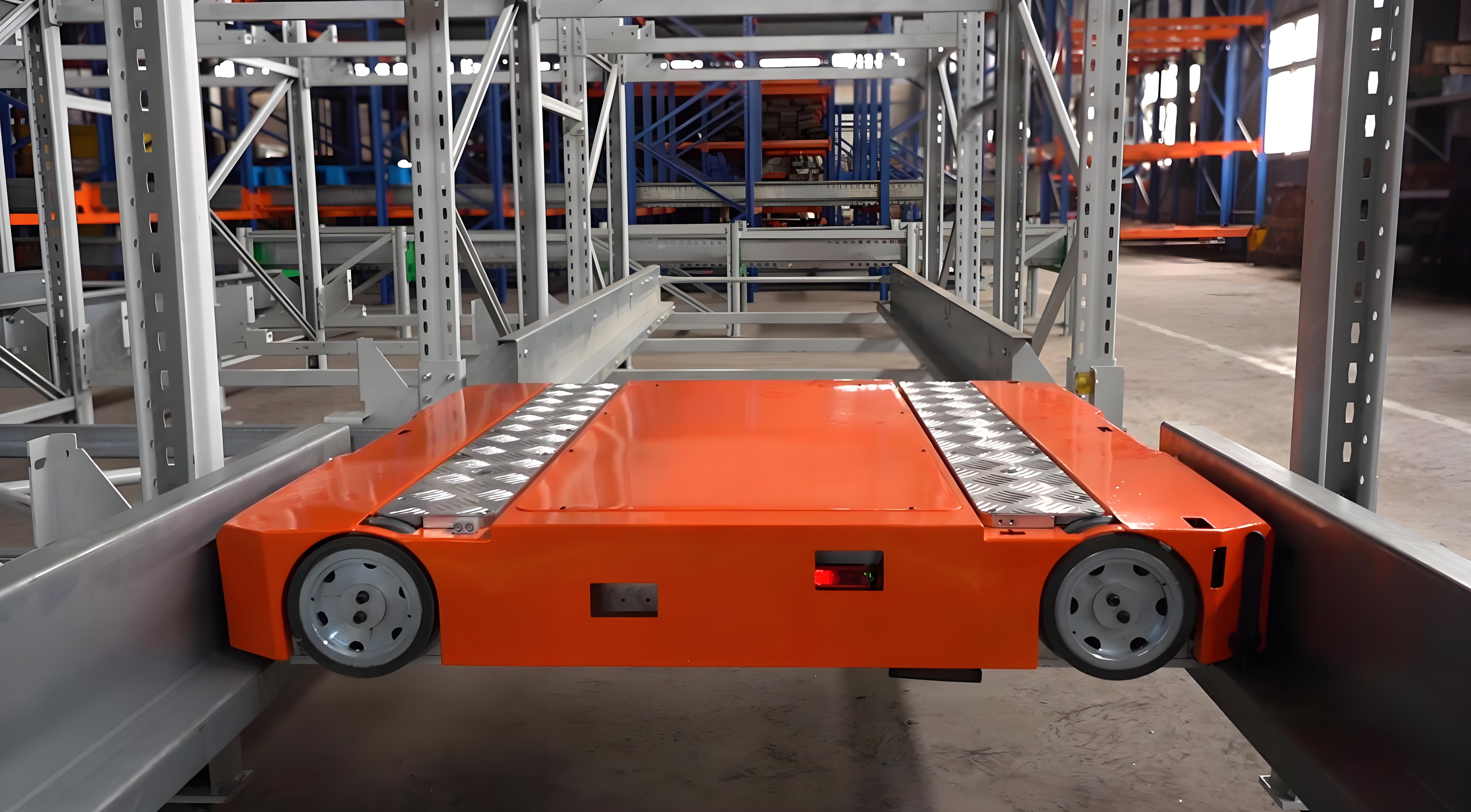

Integrated Warehouse Rack Project in Morocco | Rack Supported Warehouse
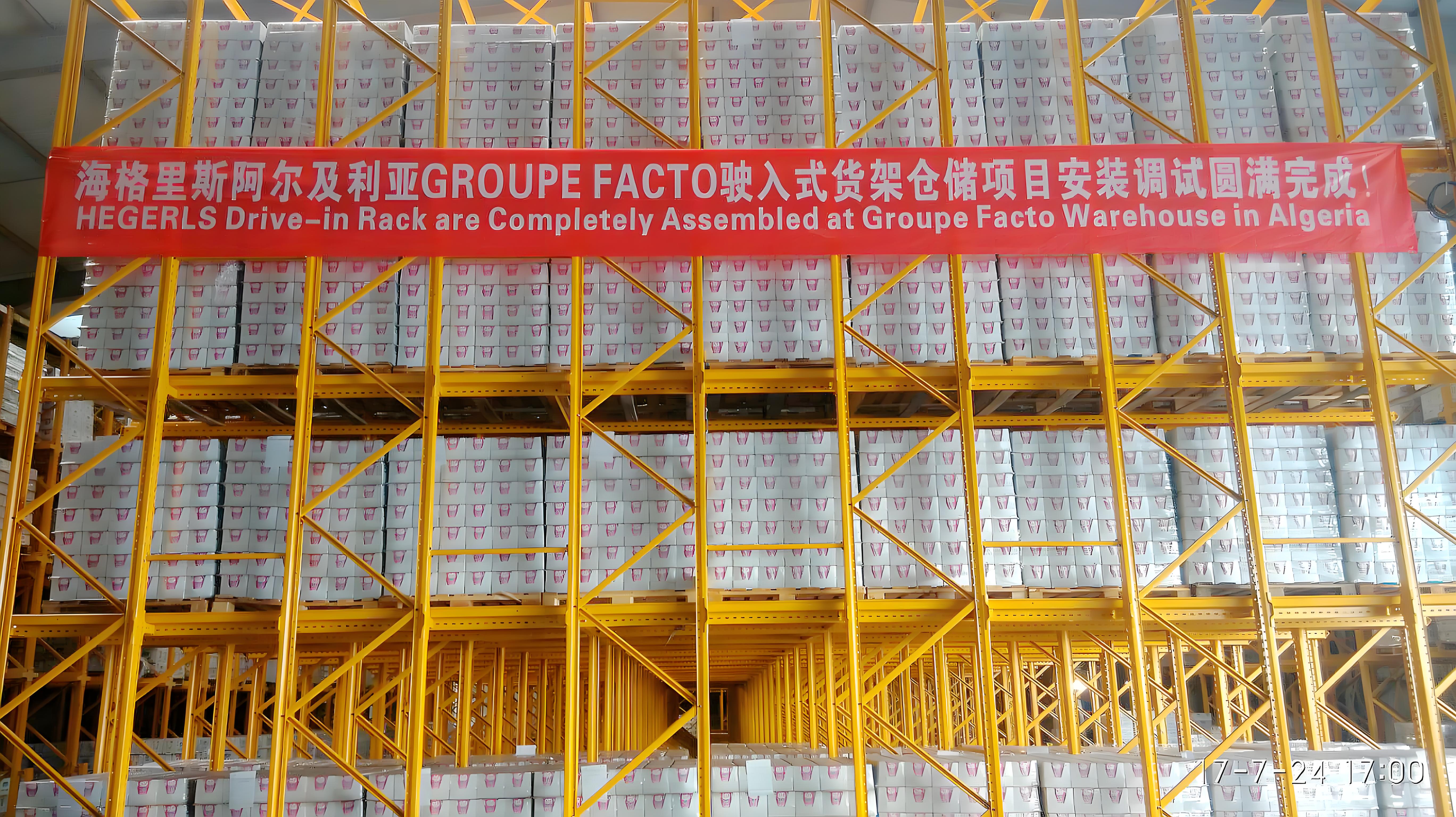
Algeria FACTO Group Storage Project
Related Products

MOBILE: +86 133 1595 3337
E-mails: hgls-wm@hbgysw.com
Office: Room 1118, Building No.6, Tatan Mall, Tatong Street, Shijiazhuang, China
Production base: 68 Shidai Road,Xinhe Industrial Park,Hebei Province
Website: https://www.woke-hercules.com



All rights reserved©2025 Hebei Woke Metal Products Co., ltd.