

-
SOLUTIONSIn recent years, “Hegerls" HD shuttle storage system have improved, upgraded, more intelligent, flexible, and more systematic, which can meet the different needs of customers in various industries.
 SERVICE
 -
-
R & DObtained more than ten national patents for automated logistics warehousing equipment such as shuttle cars, stackers, and mobile shelves, awarded SGS, BV, and TUV international product quality inspection agency certificates, as well as the "Quality, Environment, Health" ISO three major system certification certificates.
SERVICE
-
PROJECTSAfter Haigelis entered the international market in 2011, it exported supermarket equipment, warehousing equipment, and related supporting products to countries and regions such as North America, South America, Europe, Southeast Asia, and Africa. In recent years, the company has increased its efforts in the research and development of automated warehousing equipment.
SERVICE
-
BlogProfessional articles, guides, and insights on warehouse racking and automated storage systems.
SERVICE
-
HEGERLSIt's developed over 20 years, our company has become a one-stop integrated service provider of warehousing and logistics, integrating warehousing and logistics project design...
SERVICE

APPLICATION
Smart Warehouse Planning for Industrial Automation: From Logistics Flow to System Layout
Classification:
Industry Info
Release time:
2026-01-12
1. Why Smart Warehouse Planning Matters
In a modern smart factory, warehouse design plays a pivotal role — not just as a storage area, but as the nerve center connecting logistics flow, production scheduling, and digital systems integration.
Without strategic planning, companies can face:
- Inefficient material handling processes
- Misaligned automation investments
- Increased operational bottlenecks
- Limited scalability during peak demand
Conclusion: Warehouse layout must be finalized before selecting automation equipment to maximize ROI and workflow efficiency.
2. Core Objectives of Smart Warehouse Planning
To build a future-ready warehouse, planning must focus on four key goals:
🔹 Optimize Logistics Flow
Design seamless processes from receipt → storage → picking → dispatch with reduced cross-traffic and minimal interference between forklifts, AMRs, and conveyors.
🔹 Maximize Space Utilization
Leverage high-density storage solutions, including dense rack layouts and automated shelving, to fully utilize cubic space and reduce per-unit storage costs.
🔹 Ensure Automation Compatibility
Match physical warehouse design with automation systems:
- Automated Shuttle & Stacker Cranes
- AS/RS (Automated Storage and Retrieval Systems)
- AMR / AGV fleet movement
- Integrated WMS + WCS control layers
🔹 Enable Future Growth
Use modular, scalable layouts that allow seamless expansion and adaptation as SKU volumes and business needs evolve.

3. Step-by-Step Warehouse Planning Process
📌 1. Data Analysis
- SKU segmentation (weight, size, turnover rate)
- Order pattern forecasting (peak vs. normal flow)
- Assessment of existing layouts to identify bottlenecks
📌 2. Logistics Workflow Design
- Map inbound, storage, picking, and outbound flows
- Avoid intersecting routes of material handling equipment
- Design functional zones (fast-moving, slow-moving, reserve)
📌 3. Space & Layout Engineering
- Draft warehouse blueprint with optimized aisle and bay design
- Select rack types (pallet, carton, high-density AS/RS)
- Compute load capacities and clearances
📌 4. Automation Matching
- Select appropriate systems (e.g., four-way shuttles, stacker cranes, conveyors)
- Define WMS & WCS data pathways and integration logic
- Conduct simulation tests for throughput and travel optimization
📌 5. Validation & Tuning
- Run digital simulations to verify layout decisions
- Adjust rack positions, machine counts, and logistics paths
- Finalize placement for optimal travel distances

4. Engineering Considerations for Automated Warehouses
Aisle Precision & Traffic Flow
High-speed shuttles and stacker cranes require precise aisle dimensions to avoid delays and collisions.
Functional Area Segregation
High-turnover goods should be positioned closest to inbound/outbound docks to shorten handling times.
Load Capacity & Scalability
Plan for future capacity with options for additional shuttles, cranes, or expanded storage zones.
Safety & Maintainability
Incorporate fireproofing, anti-collision safeguards, corrosion protection, and dedicated maintenance aisles to keep systems running smoothly.
5. HEGERLS Engineering Experience
Case A: South African MDF Stack Automation
A compact automated warehouse solution using a stacker crane significantly improved storage accuracy and throughput. Real-time control software provided centralized visibility and streamlined operations.

Case B: Temperature-Controlled Shuttle Storage (30,000 m²)
By replacing standard racks with high-density shuttle systems, this cold storage facility achieved:
- Over 80% warehouse space utilization
- Faster, safer handling
- Support for both FIFO and LIFO inventory strategies
Shuttle units operated within confined aisles, while forklift access was limited to entry zones — minimizing operational interference and maximizing cubic utilization.

6. Key Takeaways
Smart warehouse planning is not just technical — it’s strategic:
✔ Logistics flow must be designed before equipment
✔ Space must be engineered around automation capabilities
✔ System integration (WMS/WCS + AS/RS) determines performance
✔ Flexibility and scalability are crucial for long-term success
In short, warehouse planning determines the efficiency and return on investment of your automation systems. For personalized smart warehouse layout and automation design, contact HEGERLS today.
Key words:
smart warehouse planning,high-density storage,logistics flow optimization,AS/RS systems,automated storage solutions
Related Solutions
Related Cases
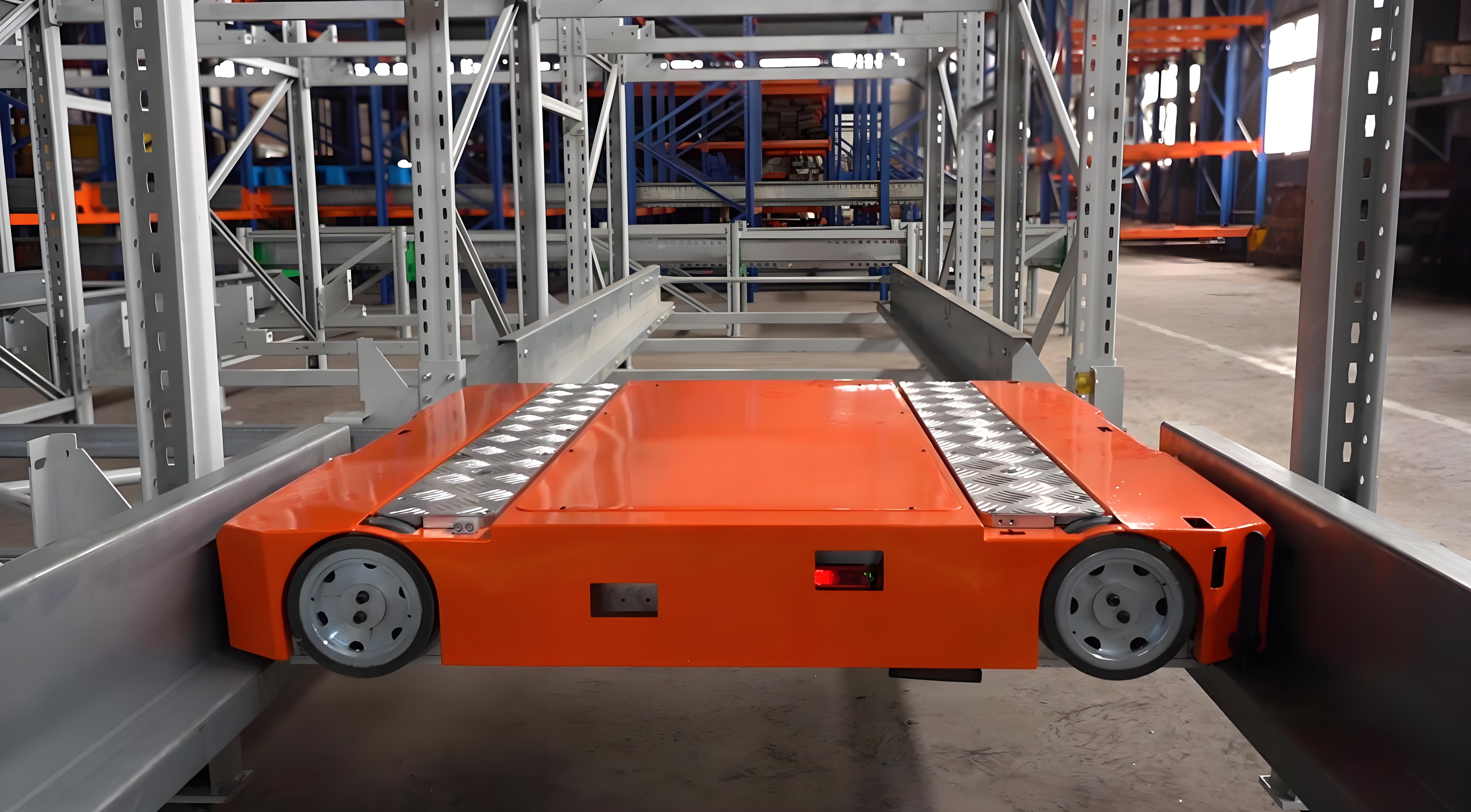

Integrated Warehouse Rack Project in Morocco | Rack Supported Warehouse
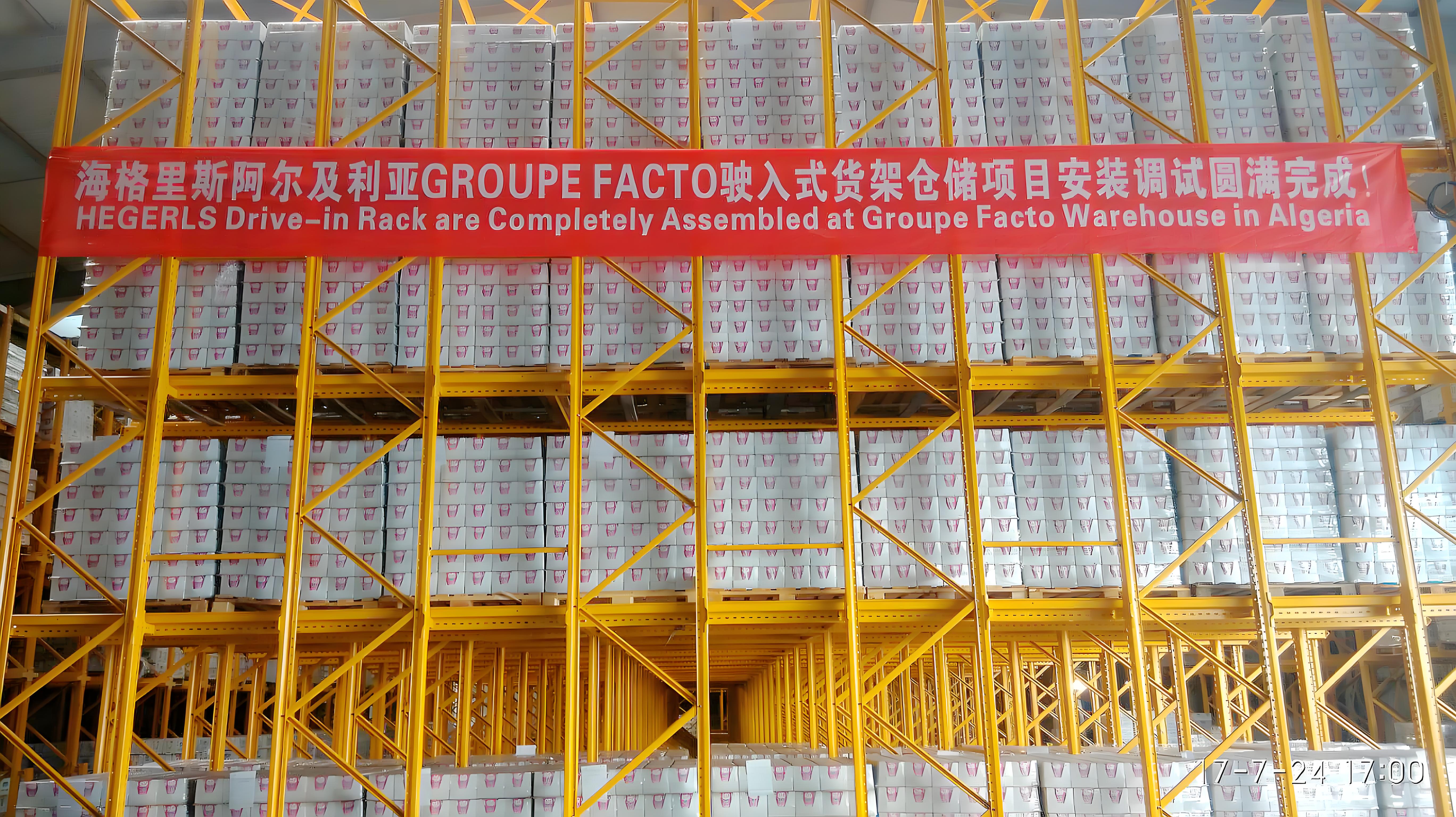
Algeria FACTO Group Storage Project
Related Products

MOBILE: +86 133 1595 3337
E-mails: hgls-wm@hbgysw.com
Office: Room 1118, Building No.6, Tatan Mall, Tatong Street, Shijiazhuang, China
Production base: 68 Shidai Road,Xinhe Industrial Park,Hebei Province
Website: https://www.woke-hercules.com



All rights reserved©2025 Hebei Woke Metal Products Co., ltd.