

-
SOLUTIONSIn recent years, “Hegerls" HD shuttle storage system have improved, upgraded, more intelligent, flexible, and more systematic, which can meet the different needs of customers in various industries.
 SERVICE
-
-
R & DObtained more than ten national patents for automated logistics warehousing equipment such as shuttle cars, stackers, and mobile shelves, awarded SGS, BV, and TUV international product quality inspection agency certificates, as well as the "Quality, Environment, Health" ISO three major system certification certificates.
SERVICE
-
PROJECTSAfter Haigelis entered the international market in 2011, it exported supermarket equipment, warehousing equipment, and related supporting products to countries and regions such as North America, South America, Europe, Southeast Asia, and Africa. In recent years, the company has increased its efforts in the research and development of automated warehousing equipment.
SERVICE
-
BlogProfessional articles, guides, and insights on warehouse racking and automated storage systems.
SERVICE
-
HEGERLSIt's developed over 20 years, our company has become a one-stop integrated service provider of warehousing and logistics, integrating warehousing and logistics project design...
SERVICE

APPLICATION
International Logistics: Driving Global Trade with Efficiency and Innovation
Classification:
Industry Info
Release time:
2025-09-24
Globalization has transformed the way businesses operate, pushing companies to source materials, manufacture, and distribute products across multiple continents. At the heart of this interconnected economy lies international logistics—a sophisticated system that ensures goods move seamlessly across borders to meet the demands of businesses and consumers.
Today, international logistics is more than just shipping goods. It’s about efficiency, compliance, cost control, and innovation. With the rise of e-commerce, global supply chain disruptions, and new technologies, logistics is undergoing rapid change. In this comprehensive guide, we’ll explore the fundamentals, challenges, solutions, trends, and the future of international logistics, and how companies like HEGERLS provide advanced warehouse storage and automation solutions to empower global supply chains.

What is International Logistics?
International logistics refers to the management of the flow of goods, services, and information from one country to another. It encompasses planning, implementing, and controlling all activities related to transportation, warehousing, customs clearance, and distribution.
Core Components of International Logistics:
- Transportation: Air freight, ocean shipping, rail, and trucking networks that move goods globally.
- Warehousing & Storage: Safe and efficient storage solutions such as heavy duty racking systems and automated warehouses.
- Customs & Trade Compliance: Ensuring legal, tax, and duty requirements are met.
- Supply Chain Visibility: Tracking and monitoring goods across borders.
- Technology & Automation: Warehouse Management Systems (WMS), IoT tracking, robotics, and AI-driven logistics.
International logistics is essential not only for global corporations but also for small and medium enterprises (SMEs) seeking to expand into new markets.
Importance of International Logistics in Global Trade
Efficient international logistics:
- Enables globalization: Facilitates sourcing materials internationally and selling globally.
- Supports e-commerce growth: Cross-border e-commerce is rapidly expanding.
- Optimizes costs: Streamlined logistics reduces operational expenses.
- Enhances supply chain resilience: Strong networks mitigate risks.
- Boosts customer satisfaction: Faster deliveries and reliable service strengthen trust.
For instance, a smartphone manufactured in Asia may involve raw materials from Africa, chips from Europe, and final assembly in China before being shipped worldwide. Efficient logistics ensures every link in the supply chain works seamlessly.
Modes of Transportation in International Logistics
1. Ocean Freight
Most common mode: 80%+ of global trade.
Best for: Bulk goods, raw materials, industrial equipment.
Pros: Cost-effective, high capacity.
Cons: Long transit times, port delays.
2. Air Freight
Best for: Time-sensitive, high-value goods.
Pros: Fast, reliable.
Cons: Expensive, limited cargo size.
3. Rail Freight
Best for: Intercontinental trade (e.g., China-Europe).
Pros: Cheaper than air, faster than sea for certain routes.
Cons: Limited coverage, border complexities.
4. Road Freight
Critical for: Last-mile delivery and regional transport.
Pros: Flexible, door-to-door service.
Cons: Traffic delays, fuel costs, regulatory differences.
Multimodel Transportation
Combining two or more modes (e.g., ocean + rail, air + trucking) optimizes cost, speed, and reliability.
Warehousing in International Logistics
Functions of International Warehouses
- Consolidation and deconsolidation of shipments
- Quality inspection and compliance checks
- Temporary storage before distribution
- Order picking and fulfillment
Heavy Duty Warehouse Racking Solutions
Modern warehouses rely on advanced storage systems to maximize space and efficiency:
- Selective Pallet Racking – Flexible, easy access to all pallets.
- Drive-In/Drive-Through Racking – High-density storage for bulk goods.
- Shuttle Racking Systems – Semi-automated storage with pallet shuttles.
- Cantilever Racking – For long or irregular goods like pipes, timber, and steel.
- Mezzanine Systems – Multi-level structures to maximize vertical space.
Integrating these systems with automation forms the foundation of modern international logistics hubs.
Automation and Technology in International Logistics
Key Technologies
- Warehouse Management Systems (WMS): Digital control over inventory and operations.
- Automated Storage & Retrieval Systems (AS/RS): Robotics for fast and accurate picking.
- Shuttle Racking Systems: High-density storage with minimal labor.
- Warehouse Control Systems (WCS): Synchronizing conveyors, lifts, and shuttles.
- IoT: Real-time shipment tracking and condition monitoring.
- AI & Predictive Analytics: Demand forecasting and route optimization.
- Blockchain: Secure, transparent documentation for global trade.

Benefits
- Faster throughput and fewer delays
- Higher inventory accuracy
- Reduced labor dependency
- Increased safety
- Scalability for peak demand
Key Challenges in International Logistics and Their Solutions
1. Complex Customs Regulations
Challenge:
Every country has its own import/export laws, tariffs, and documentation requirements. Missing paperwork or incorrect filings can cause costly delays at ports and borders.
Solution:
- Implement digital customs management platforms for automated documentation.
- Partner with experienced freight forwarders who understand country-specific regulations.
- Use blockchain-based documentation for transparency and security.
HEGERLS supports logistics operators with efficient warehouse systems that streamline cargo inspection, sorting, and customs processing.
2. High Transportation Costs
Challenge:
Fuel price volatility, container shortages, and rising labor costs significantly impact global shipping expenses.
Solution:
- Optimize routes with AI-powered logistics planning tools.
- Use multimodal transport strategies (sea + rail + road) to balance cost and speed.
- Invest in automated warehouses with heavy duty racking systems to minimize local distribution costs.
HEGERLS solutions help cut costs by maximizing storage density, reducing land usage, and improving handling efficiency.
3. Supply Chain Disruptions
Challenge:
Natural disasters, pandemics, strikes, and geopolitical tensions can paralyze global logistics networks.
Solution:
- Build resilient supply chains by diversifying suppliers (China + 1 strategy).
- Implement real-time tracking systems to monitor shipments.
- Create buffer storage capacity with flexible warehouse designs.
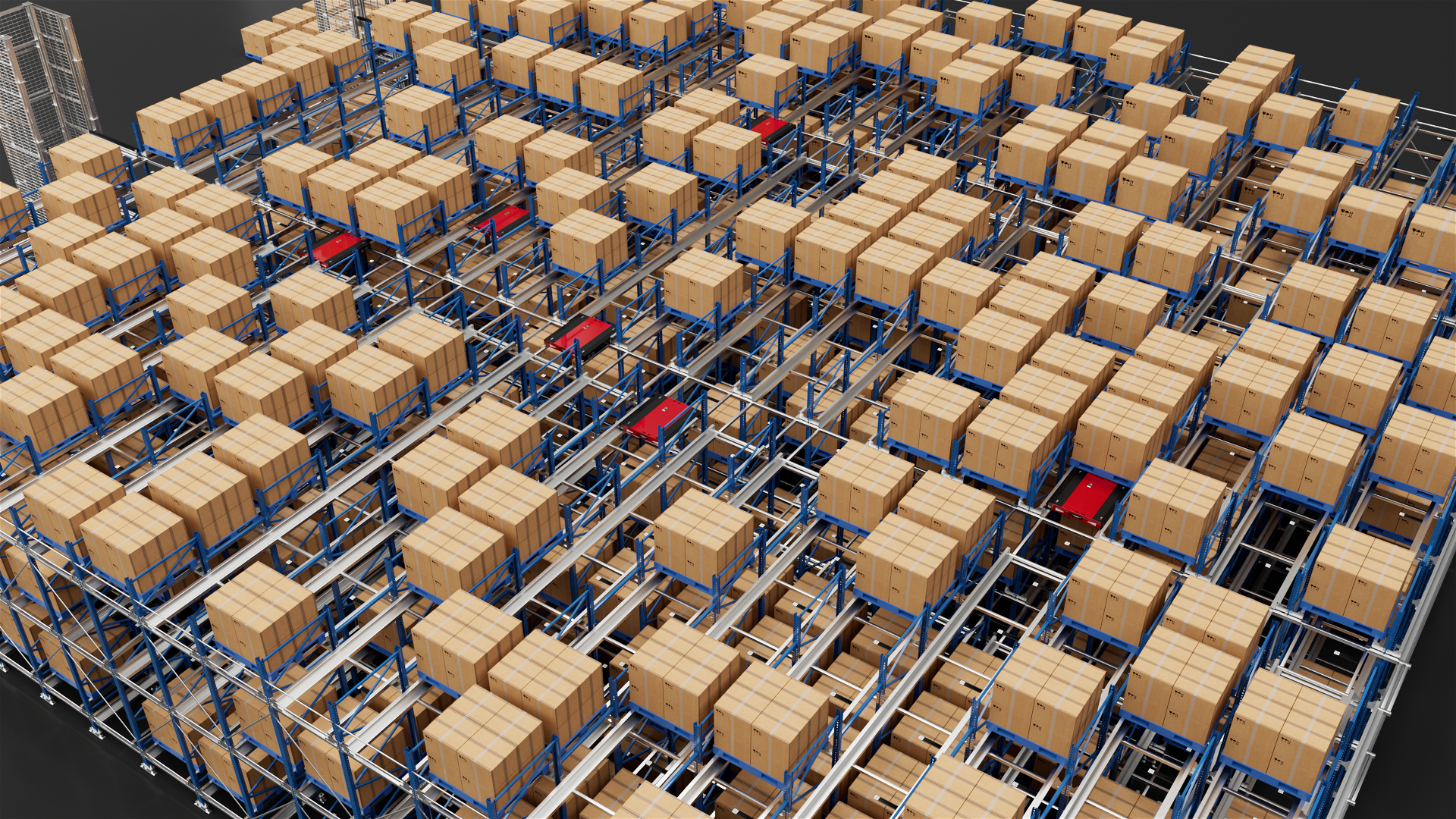
HEGERLS offers scalable racking and shuttle systems, allowing businesses to quickly adjust storage capacity during disruptions.
4. Last-Mile Delivery Challenges
Challenge:
The “last mile” is often the most expensive and complex stage, especially in urban areas with congestion, regulations, and customer demand for faster delivery.
Solution:
- Use urban micro-fulfillment centers powered by compact racking and automation.
- Integrate real-time route optimization software for delivery fleets.
- Employ smart lockers and pickup points to reduce delivery failures.
HEGERLS heavy duty mezzanine systems and automated racking enable compact urban warehouses that bring goods closer to consumers.
5. Sustainability Pressures
Challenge:
Governments and customers are demanding eco-friendly logistics solutions. Transportation accounts for a large share of global CO₂ emissions.
Solution:
- Invest in electric vehicles and alternative fuels.
- Design energy-efficient warehouses with natural lighting and automation.
- Reduce wasted space by implementing high-density storage systems.
HEGERLS racking systems support green logistics by maximizing warehouse capacity, lowering energy use, and reducing the need for new building space.
6. E-commerce Growth and Demand for Speed
Challenge:
Cross-border e-commerce is booming, but it requires fast fulfillment, high accuracy, and scalable logistics infrastructure.
Solution:
- Deploy automated storage and retrieval systems (AS/RS) for faster picking.
- Use shuttle racking systems to handle high order volumes.
- Integrate warehouse management systems (WMS) with online platforms for real-time inventory visibility.
HEGERLS shuttle systems help e-commerce companies cut fulfillment times by up to 30%, improving delivery speed and customer satisfaction.
7. Labor Shortages
Challenge:
Skilled workers are increasingly hard to find in the logistics industry, especially for repetitive and physically demanding warehouse tasks.
Solution:
- Automate repetitive tasks with robotics and shuttle systems.
- Use training programs and digital tools to improve workforce productivity.
- Optimize workflows with intelligent racking layouts.
HEGERLS automation solutions reduce reliance on manual labor, while still allowing workers to focus on higher-value tasks.
8. Risk Management and Security
Challenge:
Cargo theft, cyberattacks, and fraud in international logistics pose financial and reputational risks.
Solution:
- Enhance physical warehouse security with controlled access and CCTV.
- Adopt blockchain-based tracking for secure, transparent transactions.
- Use IoT-enabled monitoring for real-time cargo condition and location tracking.
HEGERLS racking systems provide safe, well-organized storage environments, reducing risks of cargo mishandling or loss.
Future Trends in International Logistics
Green Logistics: Electric vehicles, renewable-powered warehouses.
Digital Supply Chains: IoT, AI, blockchain for transparency and efficiency.
Global E-commerce Expansion: Faster fulfillment, automation integration.
Smart Warehousing: Robotics and intelligent racking.
Regional Diversification: Multi-country supply networks for resilience.

Case Study: HEGERLS in International Logistics
A global e-commerce company implemented HEGERLS shuttle racking systems in its international warehouses:
Result: 40% higher storage density
Result: 30% faster picking speed
Result: Reduced labor dependency with automated shuttles
Impact: Seamless cross-border inventory management and faster fulfillment
This shows how advanced storage and automation solutions directly impact international logistics efficiency.
Why Choose HEGERLS for International Logistics Warehousing Solutions?
HEGERLS is a global provider of warehouse storage and automation solutions with:
- 30+ years of industry experience
- 500+ professional R&D and manufacturing staff
- 1,000+ completed projects worldwide
- Customers in 75+ countries and regions
HEGERLS offers:
- AS/RS Systems
- Four-Way Shuttle Systems
- Pallet Racking Systems
- Vertical Lift Modules
- WMS Solutions
- WCS Solutions
By integrating intelligent warehousing with global logistics operations, HEGERLS helps businesses improve inventory visibility, accelerate order fulfillment, and optimize international supply chain performance.
Conclusion
International logistics is the backbone of global trade, connecting suppliers, manufacturers, and customers worldwide. While challenges such as costs, regulations, disruptions, and sustainability persist, integrating heavy duty warehouse racking, automation, and smart logistics solutions allows businesses to optimize efficiency, reduce risks, and stay competitive.
With HEGERLS warehouse and automation solutions, companies can ensure their international logistics networks are resilient, scalable, and ready for the future. Contact us now to get your customized warehouse storage solutions.
FAQ
1. What is international logistics?
International logistics is the process of planning, managing, and transporting goods across international borders while coordinating warehousing, customs clearance, and distribution.
2. What are international logistics services?
International logistics services include freight forwarding, customs brokerage, warehousing, inventory management, and distribution.
3. What factors affect international logistics costs?
Transportation mode, shipment size, customs duties, fuel prices, and warehousing requirements all influence logistics costs.
4. What is the difference between global logistics and international logistics?
International logistics focuses on cross-border transportation, while global logistics encompasses broader worldwide supply chain operations.
5. How does warehouse automation improve international logistics?
Automation improves inventory accuracy, storage density, and order processing speed, supporting more efficient global supply chains.
6. What are the main challenges in international logistics?
Common challenges include customs delays, supply chain disruptions, rising freight costs, and inventory visibility issues.
7. Which transportation mode is best for international logistics?
The best mode depends on shipment urgency, cost considerations, and cargo characteristics.
8. What is the future of international logistics?
Future logistics will be increasingly driven by AI, automation, IoT tracking, sustainability initiatives, and digital supply chain technologies.
Key words:
International Logistics,Global Logistics,International Supply Chain,Warehouse Automation,Logistics Automation
Related Solutions
Related Cases
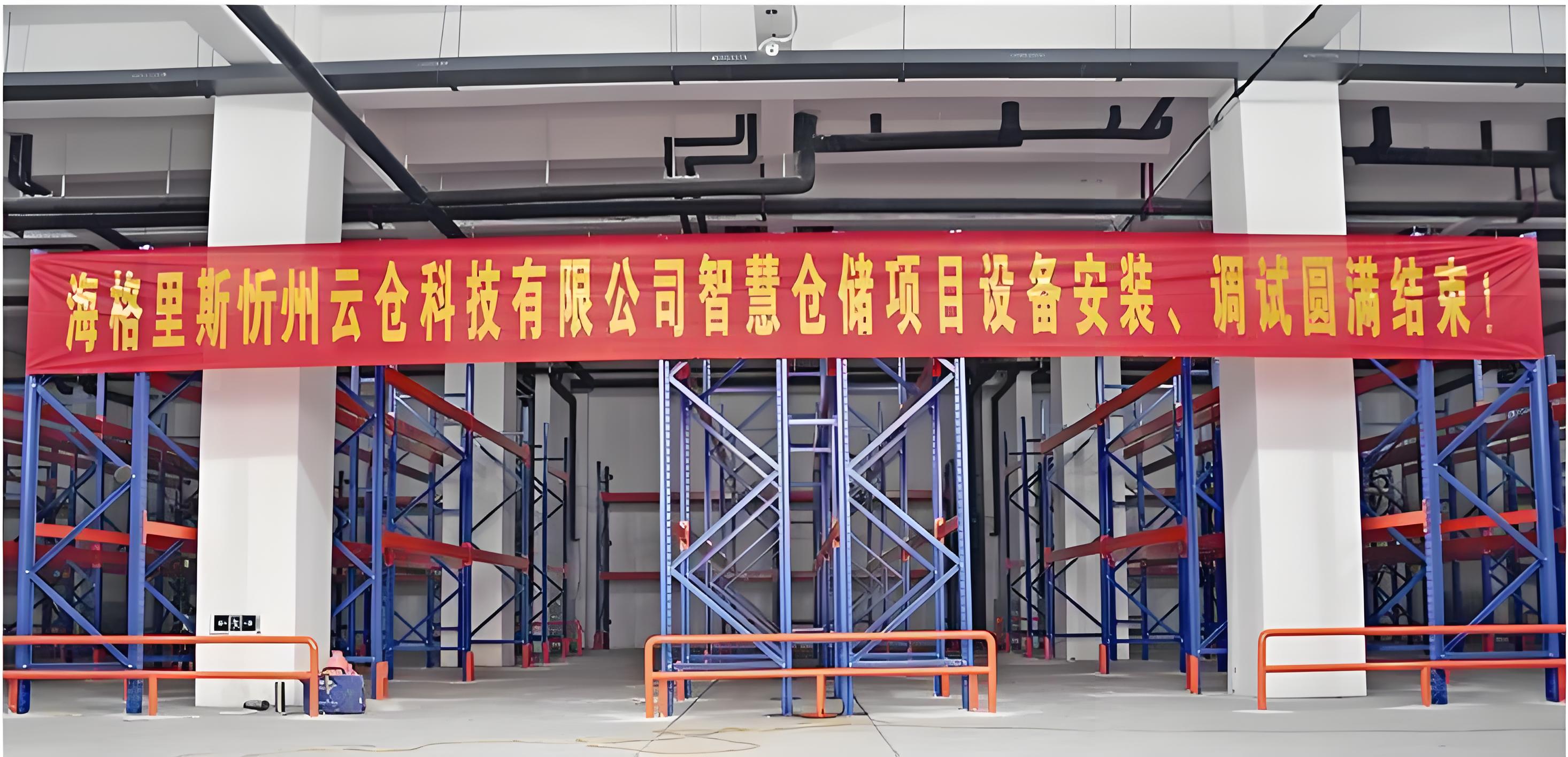
Xinzhou Yuncang Smart Warehouse Project

Integrated Warehouse Rack Project in Morocco | Rack Supported Warehouse
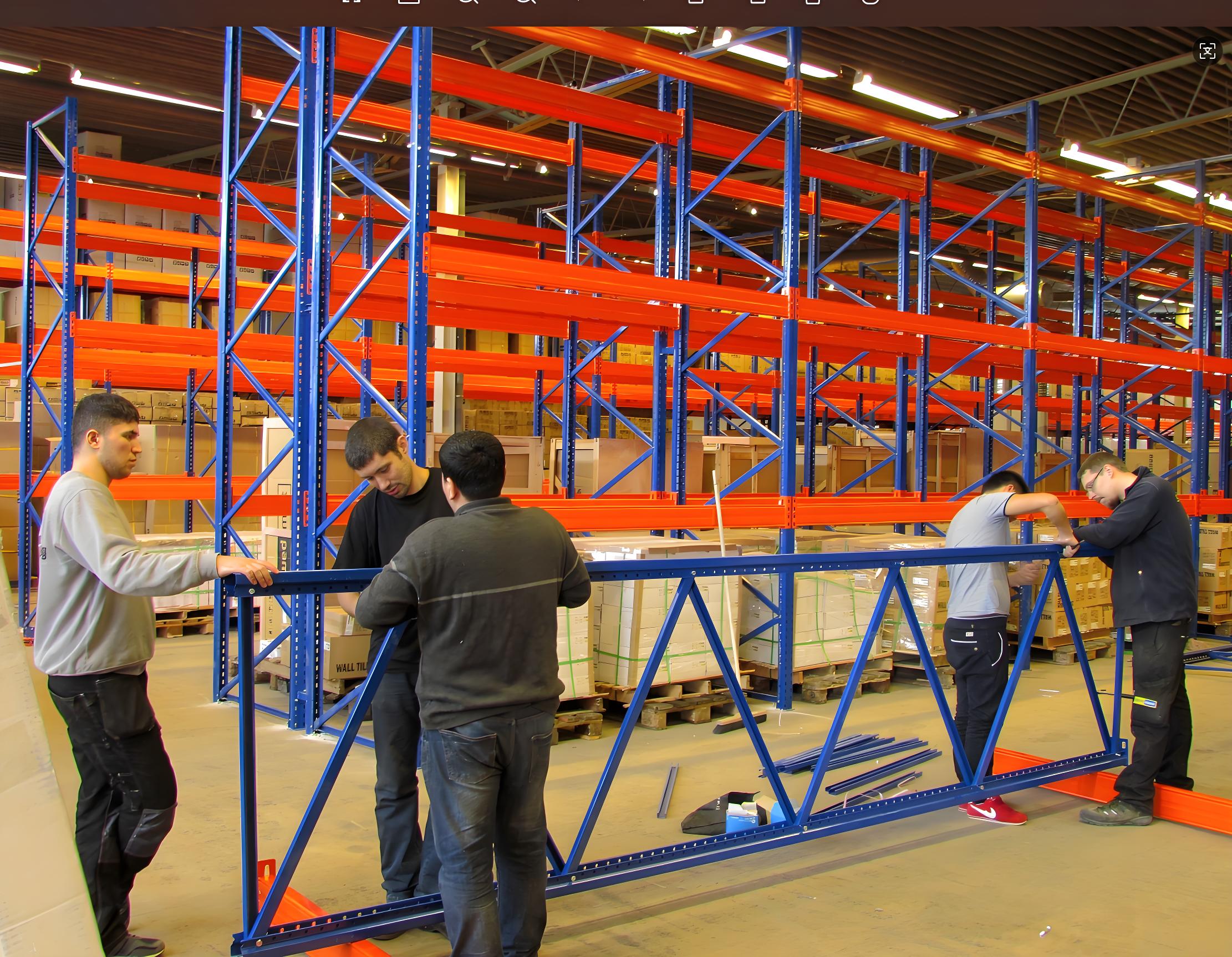
Sweden's SWEDMART company's crossbeam warehouse project
Related Products

MOBILE: +86 133 1595 3337
E-mails: hgls-wm@hbgysw.com
Office: Room 1118, Building No.6, Tatan Mall, Tatong Street, Shijiazhuang, China
Production base: 68 Shidai Road,Xinhe Industrial Park,Hebei Province
Website: https://www.woke-hercules.com



All rights reserved©2025 Hebei Woke Metal Products Co., ltd.