

-
SOLUTIONSIn recent years, “Hegerls" HD shuttle storage system have improved, upgraded, more intelligent, flexible, and more systematic, which can meet the different needs of customers in various industries.
 SERVICE
-
-
R & DObtained more than ten national patents for automated logistics warehousing equipment such as shuttle cars, stackers, and mobile shelves, awarded SGS, BV, and TUV international product quality inspection agency certificates, as well as the "Quality, Environment, Health" ISO three major system certification certificates.
SERVICE
-
PROJECTSAfter Haigelis entered the international market in 2011, it exported supermarket equipment, warehousing equipment, and related supporting products to countries and regions such as North America, South America, Europe, Southeast Asia, and Africa. In recent years, the company has increased its efforts in the research and development of automated warehousing equipment.
SERVICE
-
BlogProfessional articles, guides, and insights on warehouse racking and automated storage systems.
SERVICE
-
HEGERLSIt's developed over 20 years, our company has become a one-stop integrated service provider of warehousing and logistics, integrating warehousing and logistics project design...
SERVICE

APPLICATION
Stock Turnover Guide: Formula, Ratio, Calculation & How to Improve Inventory Turnover
Classification:
Industry Info
Release time:
2025-09-18
In today’s fast-paced business world, one of the most critical metrics that connects finance, supply chain management, and warehouse operations is stock turnover. Sometimes referred to as inventory turnover, this measure tells you how often your inventory is sold and replaced within a given period.
A business with a high stock turnover ratio is usually more efficient, agile, and profitable, while a low ratio may signal inefficiencies, excess stock, or weak sales performance. For manufacturers, wholesalers, distributors, and retailers alike, understanding stock turnover is not optional—it’s essential.
In this comprehensive guide, we’ll cover what stock turnover is, why it matters, how to calculate it, industry benchmarks, the challenges businesses face, and—most importantly—practical strategies to improve it. Along the way, we’ll also explore how smart warehouse solutions from HEGERLS can accelerate your stock movement and boost overall efficiency.
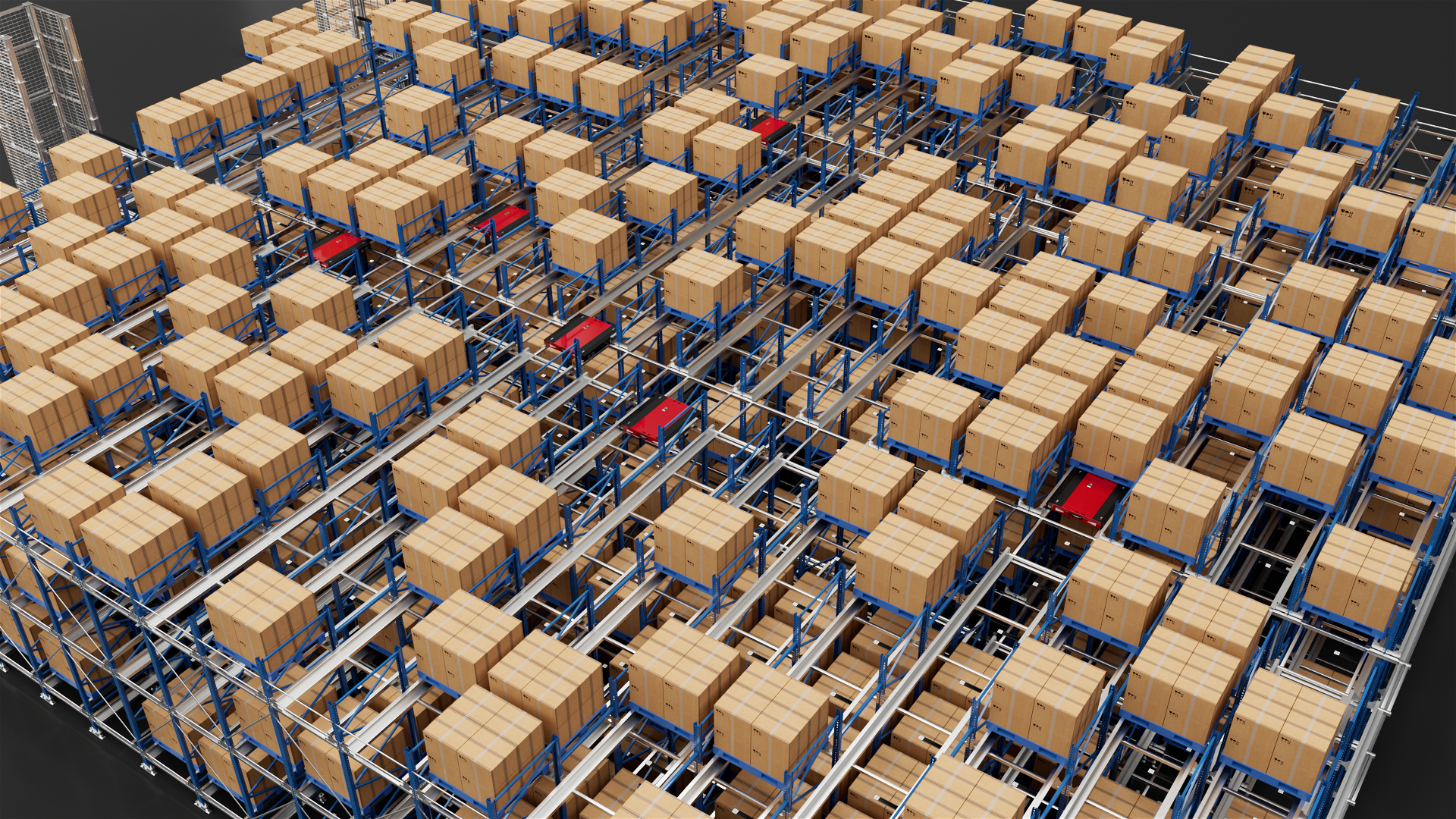
What Is Stock Turnover?
At its simplest, stock turnover measures how many times your inventory is sold and replaced during a specific time frame (often a year, but it can also be calculated quarterly or monthly).
The standard stock turnover formula is:
Stock Turnover Ratio = Cost of Goods Sold (COGS) ÷ Average Inventory
Where:
COGS = Total cost of goods sold during the period.
Average Inventory = (Beginning Inventory + Ending Inventory) ÷ 2.
Stock Turnover vs. Inventory Turnover
Although the terms are often used interchangeably, “stock turnover” is more common in Europe and Asia, while “inventory turnover” is widely used in the U.S. Both refer to the same concept.
Example in Practice
A grocery store might have a turnover of 12–15 times per year, as products move quickly.
A furniture retailer might only have a turnover of 2–3 times per year due to longer sales cycles.
The key takeaway: Stock turnover reflects the balance between sales and stock levels.
Why Stock Turnover Matters
Stock turnover is not just a number—it’s a lens through which you can evaluate your company’s financial health, supply chain resilience, and customer satisfaction.
1. Cash Flow Optimization
Inventory represents tied-up capital. A high stock turnover ratio indicates that your money is moving quickly through the business cycle—from purchase to sale to reinvestment. This frees up working capital for other areas like marketing, technology, or new product development.
2. Lower Storage and Holding Costs
Excess stock leads to higher storage fees, more warehouse space requirements, and increased costs for insurance, security, and handling. Improving stock turnover reduces the average amount of stock sitting idle, lowering total carrying costs.
3. Reduced Risk of Obsolescence and Waste
In industries like electronics, fashion, or food, products have a limited shelf life—whether due to expiry dates or market trends. Faster stock turnover ensures products move before they become outdated or unsellable.
4. Improved Customer Satisfaction
Customers expect fast delivery and consistent product availability. If stock sits too long, companies risk shortages of trending items while being stuck with outdated goods. A healthy stock turnover ratio aligns supply with customer demand.
5. Performance Benchmarking
Stock turnover is also a key metric for investors, lenders, and managers to evaluate how effectively a company is managing its resources.
What Is a Good Stock Turnover Ratio? Stock Turnover Benchmarks by Industry
Different industries operate with vastly different turnover ratios. Comparing your stock turnover to industry standards provides valuable context.
| Industry | Good Stock Turnover Ratio | Reason |
|---|---|---|
| Grocery & Food Retail | 12–15 | Perishables require rapid turnover |
| Apparel & Fashion | 4–6 | Seasonal trends drive demand |
| Consumer Electronics | 5–8 | Rapid innovation cycles |
| Automotive Parts | 2–4 | Long product lifecycles |
| Industrial Equipment | 1–2 | High cost, low demand frequency |
A good stock turnover ratio depends on industry characteristics, demand stability, and product lifecycle. Comparing your turnover ratio against industry benchmarks provides a more accurate performance assessment than using a universal target.
How to Calculate Stock Turnover
Calculating stock turnover is straightforward, but accuracy depends on using consistent methods.
Method 1: Using COGS
Stock Turnover = COGS ÷ Average Inventory
This is the most accurate because it reflects the cost basis of goods sold, not just revenue.
Method 2: Using Sales
Stock Turnover = Net Sales ÷ Average Inventory
This method is sometimes used but can be misleading since sales include profit margins, not just cost.
Example Calculation
Beginning Inventory: $150,000
Ending Inventory: $250,000
Average Inventory = ($150,000 + $250,000) ÷ 2 = $200,000
COGS = $1,000,000
Stock Turnover = $1,000,000 ÷ $200,000 = 5.
This means the company replaces its inventory five times per year.
How to Calculate Inventory Turnover Days
Formula
Example
If inventory turnover equals 7:
Inventory Turnover Days = 365 ÷ 7 = 52 days
This means products remain in inventory for approximately 52 days before being sold.
Lower inventory turnover days generally indicate faster inventory movement and better cash flow management.
Stock Turnover Analysis: What Does a High or Low Ratio Mean?
High Stock Turnover
Advantages:
- Better cash flow
- Lower storage costs
- Reduced inventory obsolescence
- Faster inventory cycles
Potential Risks:
- Frequent stockouts
- Emergency purchasing
- Lost sales opportunities
Low Stock Turnover
Advantages:
- Greater inventory availability
Potential Risks:
- Excess inventory
- High carrying costs
- Slow-moving stock
- Reduced profitability
Regular stock turnover analysis helps businesses maintain an optimal balance between inventory availability and operational efficiency.
Challenges in Managing Stock Turnover
While the concept is simple, maintaining an optimal stock turnover ratio can be challenging.
1. Overstocking
Companies often over-purchase due to inaccurate forecasting or supplier discounts. This leads to high storage costs and risk of obsolescence.
2. Understocking
On the flip side, too little inventory can result in stockouts, lost sales, and dissatisfied customers.
3. Seasonality
Industries like fashion, sports, and food experience seasonal demand peaks and troughs, making consistent turnover difficult.
4. Supply Chain Disruptions
Events like pandemics, geopolitical issues, or transportation delays can throw off carefully planned stock strategies.
5. SKU Proliferation
Businesses offering a wide variety of SKUs may struggle to balance turnover across different product categories.
Strategies to Improve Stock Turnover
Improving stock turnover requires a blend of better forecasting, efficient warehouse practices, and strong supply chain partnerships.
1. Accurate Demand Forecasting
Leverage historical sales data, market trends, and AI-driven predictive analytics to better anticipate demand and avoid overstocking.
2. Smarter Warehouse Layout
Organize products to minimize picking times and improve flow. For example:
- Place fast-moving SKUs near dispatch areas.
- Use pallet racking systems for bulk storage.
- Adopt flow racks for FIFO operations.
3. Implement a Warehouse Management System (WMS)
A modern WMS provides real-time visibility into stock levels, automates reordering, and integrates with ERP systems. This leads to more accurate inventory control.
4. Automation and Robotics
- Shuttle systems accelerate pallet movement.
- Vertical Lift Modules (VLMs) reduce space and speed up picking.
- AS/RS (Automated Storage and Retrieval Systems) ensure rapid, error-free stock handling.

5. Adopt FIFO or LIFO Strategies
Depending on the industry, using “First-In-First-Out” (FIFO) ensures older stock moves first, while “Last-In-First-Out” (LIFO) may work in stable industries with non-perishable goods.
6. Supplier Relationship Management
Building strong supplier partnerships can shorten lead times and allow businesses to order smaller, more frequent batches—improving turnover without risking stockouts.
7. SKU Rationalization
Reduce slow-moving items that drain warehouse space and focus on profitable, high-demand products.
8. Continuous Improvement
Regularly review performance metrics and use KPIs to refine processes.
Stock Turnover and Warehouse Solutions
Warehouse efficiency plays a central role in improving stock turnover. Even the best forecasting and purchasing strategies won’t work if products get stuck in a poorly designed storage system.
Role of Racking Systems
- Pallet racking enables high-density storage and easy access.
- Drive-in racking allows efficient storage of homogeneous products.
- Cantilever racks are ideal for long and bulky goods.
Role of Automation
- Four-way shuttle systems move pallets quickly and adapt to different warehouse layouts.
- Vertical Lift Modules (VLMs) optimize vertical space and increase picking speed.
- AS/RS systems deliver goods directly to operators, minimizing manual handling.

Why Choose HEGERLS for Inventory Optimization Solutions?
HEGERLS is a global provider of warehouse storage and automation solutions with:
- 30+ years of industry experience
- 60+ R&D and manufacturing professionals
- 1000+ successful projects delivered worldwide
- Service coverage in 75+ countries and regions
HEGERLS provides integrated solutions including:
- Pallet racking systems
- Shuttle racking systems
- AS/RS warehouses
- Vertical Lift Modules (VLM)
- Warehouse Management Systems (WMS)
- Warehouse Control Systems (WCS)
By combining intelligent software with automated storage equipment, HEGERLS helps businesses improve inventory turnover, reduce operational costs, and maximize warehouse efficiency.
Conclusion
Stock turnover is one of the most important metrics for measuring inventory efficiency, financial performance, and warehouse productivity. A high turnover ratio typically indicates good demand alignment and efficient operations, while a low ratio signals possible overstocking, poor forecasting, or inefficiencies.
By understanding stock turnover, comparing against industry benchmarks, and implementing proven strategies—from demand forecasting to warehouse automation—companies can unlock new levels of profitability and customer satisfaction.
At HEGERLS, we help businesses around the world achieve smarter inventory management and better stock turnover through our advanced racking systems and automated warehouse solutions.
Contact HEGERLS today to learn how our tailored storage solutions can help you improve your stock turnover, reduce costs, and boost efficiency.
FAQ
What is a good stock turnover ratio?
A good stock turnover ratio varies by industry. Fast-moving consumer goods often exceed 10 turns per year, while industrial manufacturing businesses may operate efficiently with 1–3 turns annually.
How do you calculate stock turnover?
Stock turnover is calculated by dividing the Cost of Goods Sold (COGS) by Average Inventory. This metric shows how many times inventory is sold and replenished during a specific period.
What is the difference between stock turnover and inventory turnover?
Stock turnover and inventory turnover refer to the same KPI. The term "stock turnover" is more commonly used in Europe and Asia, while "inventory turnover" is frequently used in North America.
What causes low inventory turnover?
Common causes include inaccurate forecasting, excess inventory purchases, slow-moving products, poor warehouse organization, and inefficient replenishment processes.
How can warehouse automation improve stock turnover?
Automation improves inventory visibility, accelerates order processing, reduces picking errors, and shortens inventory cycle times, helping products move through the warehouse more efficiently.
What is inventory turnover days?
Inventory turnover days measure how long inventory remains in storage before being sold. It is calculated as 365 divided by the inventory turnover ratio.
How does inventory turnover affect cash flow?
Higher inventory turnover generally improves cash flow because capital is recovered more quickly through sales rather than being tied up in excess stock.
Can high stock turnover be a problem?
Yes. Extremely high stock turnover may indicate insufficient inventory levels, leading to stockouts and lost sales opportunities.
Key words:
Stock Turnover,Inventory Turnover,Stock Turnover Ratio,Inventory Turnover Ratio,Warehouse Inventory Management
Related Solutions
2020-11-25
2020-11-25
2020-11-25
2020-11-25
2020-11-25
2020-11-25
2020-11-25
2020-11-25
2020-11-25
2020-11-25
Related Cases

Integrated Warehouse Rack Project in Morocco | Rack Supported Warehouse
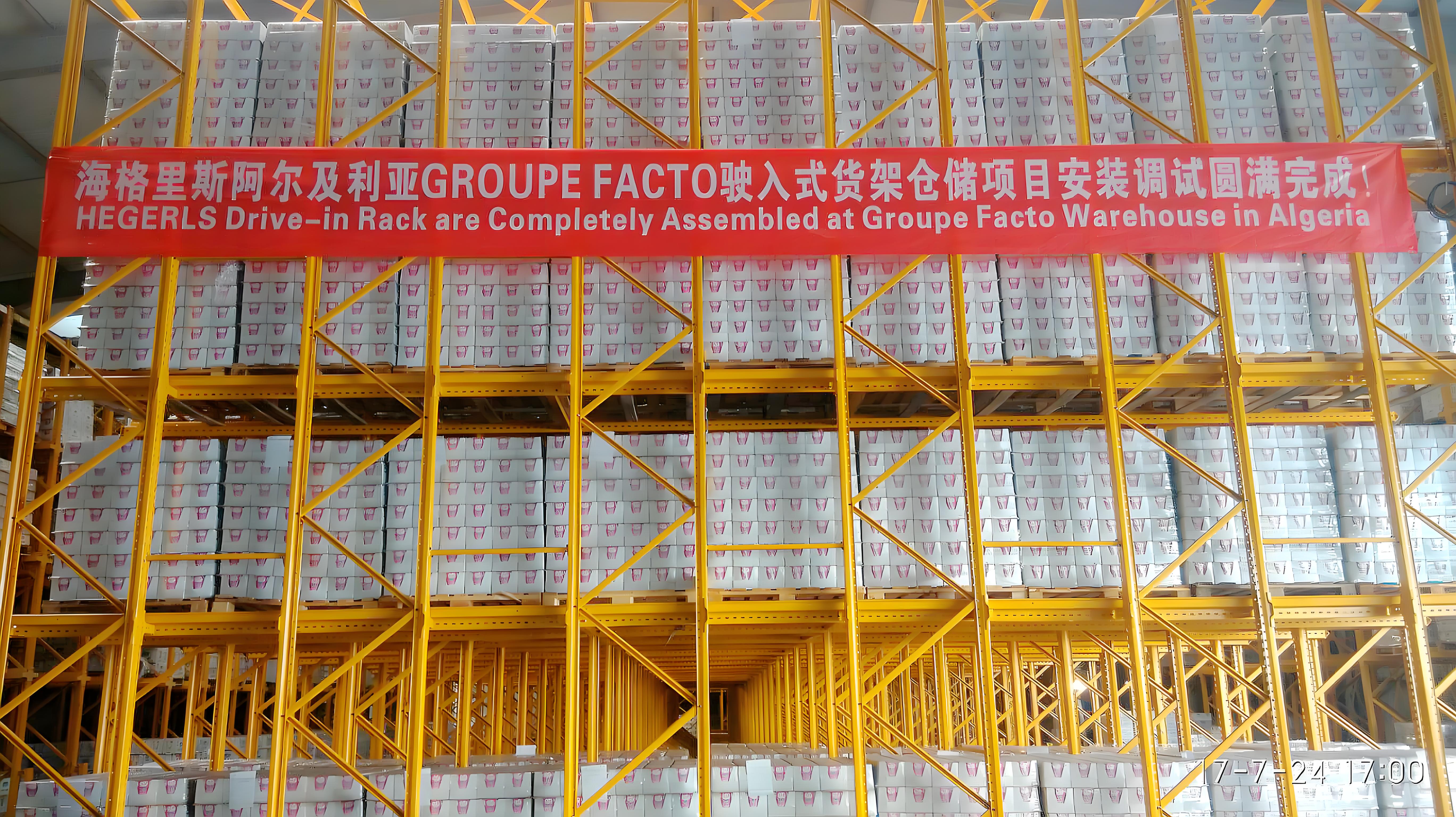
Algeria FACTO Group Storage Project
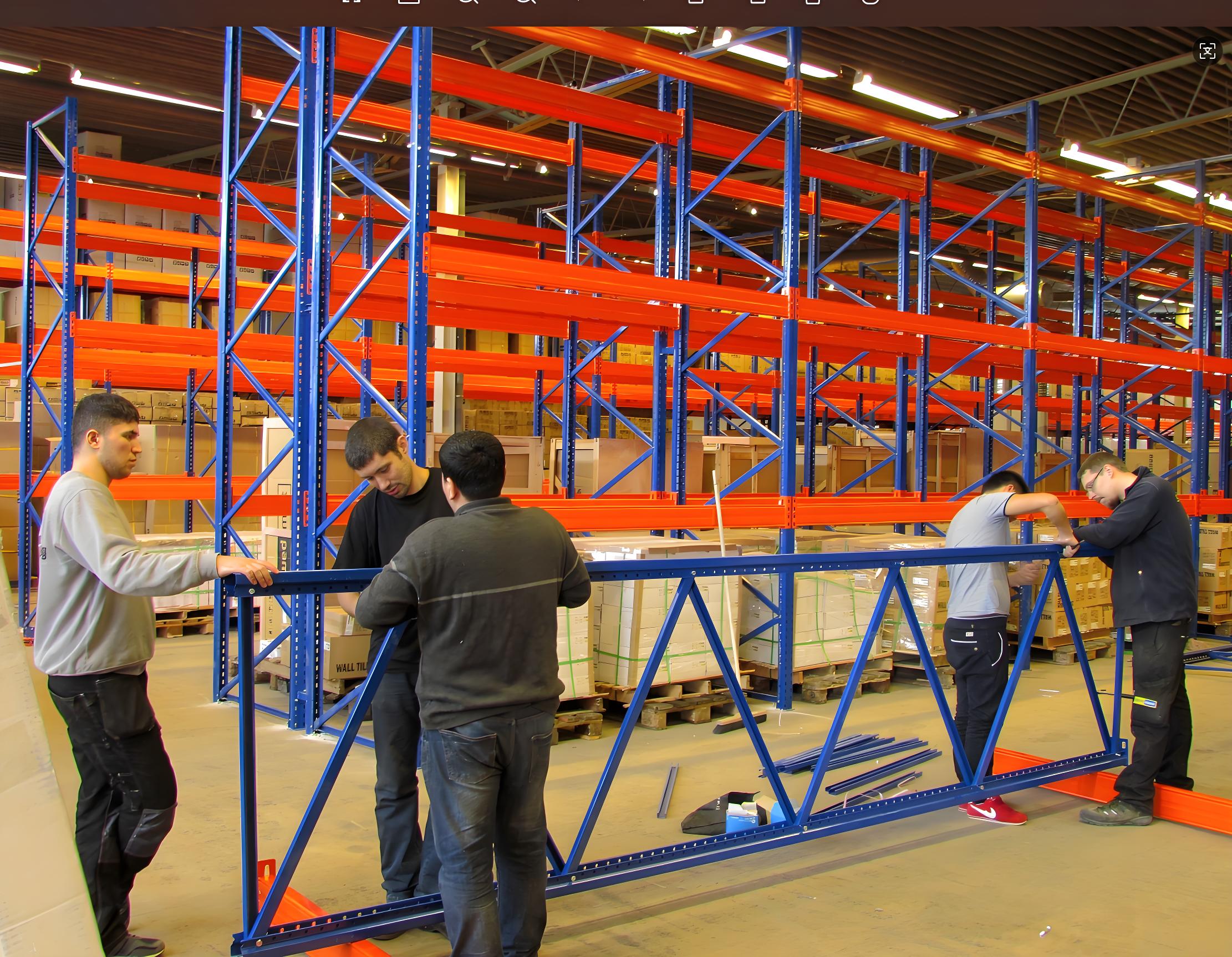
Sweden's SWEDMART company's crossbeam warehouse project
Related Products

MOBILE: +86 133 1595 3337
E-mails: hgls-wm@hbgysw.com
Office: Room 1118, Building No.6, Tatan Mall, Tatong Street, Shijiazhuang, China
Production base: 68 Shidai Road,Xinhe Industrial Park,Hebei Province
Website: https://www.woke-hercules.com



All rights reserved©2025 Hebei Woke Metal Products Co., ltd.