

-
SOLUTIONSIn recent years, “Hegerls" HD shuttle storage system have improved, upgraded, more intelligent, flexible, and more systematic, which can meet the different needs of customers in various industries.
 SERVICE
 -
-
R & DObtained more than ten national patents for automated logistics warehousing equipment such as shuttle cars, stackers, and mobile shelves, awarded SGS, BV, and TUV international product quality inspection agency certificates, as well as the "Quality, Environment, Health" ISO three major system certification certificates.
SERVICE
-
PROJECTSAfter Haigelis entered the international market in 2011, it exported supermarket equipment, warehousing equipment, and related supporting products to countries and regions such as North America, South America, Europe, Southeast Asia, and Africa. In recent years, the company has increased its efforts in the research and development of automated warehousing equipment.
SERVICE
-
BlogProfessional articles, guides, and insights on warehouse racking and automated storage systems.
SERVICE
-
HEGERLSIt's developed over 20 years, our company has become a one-stop integrated service provider of warehousing and logistics, integrating warehousing and logistics project design...
SERVICE

APPLICATION
Automated Picking Systems: Revolutionizing Warehouse Operations
Classification:
Industry Info
Release time:
2026-05-25
Why Automated Picking Systems are Critical
Automated picking systems are transforming modern warehouses, enabling businesses to process higher order volumes, faster, while maintaining greater accuracy and lower labor dependency. According to LogisticsIQ, warehouses using automation see 50–70% improvements in throughput and up to 90% reduction in picking errors.
The surge in e-commerce, diversified SKUs, and labor shortages has made automated picking essential for scalable, low-carbon warehouse operations.
HEGERLS Advantage: HEGERLS automated picking solutions integrate four-way shuttles, ASRS, and CC-WMS, providing high-density storage and fast, accurate order fulfillment.

Overview of Warehouse Picking Challenges
Traditional warehouse picking faces several challenges:
- Labor-Intensive Operations: Workers walk long distances, increasing fatigue and errors.
- High Error Rates: Manual picking can lead to 2–5% order inaccuracies.
- Inefficient Space Use: Aisle widths and layout constraints limit storage density.
- Energy Waste: Manual and conveyor systems often operate inefficiently.
- Peak Season Bottlenecks: Seasonal demand can overwhelm manual systems.
HEGERLS Advantage: With modular four-way shuttles, integrated racking, and automated picking, warehouses can maximize storage density while reducing energy and labor.
Types of Automated Picking Systems
Automated picking systems are designed to increase warehouse efficiency, reduce errors, and optimize labor. Different types of systems are suited for varying warehouse sizes, SKU complexity, and order volumes. Here are the main categories:
1. Robotic Picking Systems
Robotic picking systems use robots equipped with grippers, suction cups, or advanced vision systems to retrieve items directly from shelves or bins. These systems are ideal for high-SKU warehouses and operations that require high throughput and minimal human intervention.
- Throughput: Typically 600–800 picks/hour per unit
- Advantages: High accuracy (>99%), reduces labor dependency, can operate 24/7
2. Goods-to-Person (G2P) Systems
G2P systems bring products to stationary operators using conveyors, automated shuttles, or ASRS (Automated Storage and Retrieval Systems).
- Throughput: 2–3× faster than traditional pick-to-person methods
- Advantages: Minimizes operator travel, increases efficiency, suitable for dense storage warehouses
3. Person-to-Goods (P2G) Systems
In P2G systems, warehouse operators travel to item locations to pick products. These systems are often assisted with wearable devices, mobile scanners, or tablets for guidance.
- Use Case: Medium-density warehouses, bulky or heavy items
- Advantages: Flexible layout adaptation, easier for variable item sizes, lower upfront automation cost
4. Pick-to-Light Systems
Pick-to-Light systems use LED indicators to guide operators to the correct SKU location and quantity.
- Throughput: 500–700 picks/hour
- Accuracy: 98–99%
- Advantages: Reduces errors, shortens training time, improves productivity in high-volume but medium-complexity order environments
5. Voice-Directed Picking Systems
Voice-directed picking uses audio instructions to guide warehouse staff to the right items and locations.
- Advantages: Hands-free operation, reduces errors, allows workers to move freely without handheld devices
- Use Case: Medium-volume warehouses where pick-to-light or full automation is impractical
6. Vision Picking Systems
Vision picking combines cameras, augmented reality (AR), and AI to guide operators or robots for item retrieval.
- Advantages: Improves accuracy, reduces training requirements, ideal for complex SKU identification and multi-item orders
7. Automated Pick-and-Pack Systems
These systems integrate picking and packing in one station, often with conveyors and robotics.
- Advantages: Reduces handling time, increases throughput, energy-efficient, suitable for e-commerce fulfillment
8. Shuttle & Cart-Based Systems
Automated shuttles or carts transport products from storage areas to picking stations.
- Advantages: Minimizes walking distance, reduces labor cost, improves storage density utilization
Summary Table: Types of Automated Warehouse Picking Systems
| System Type | Throughput (picks/hour) | Accuracy | Best Use Case |
|---|---|---|---|
| Robotic Picking | 600–800 | >99% | High-SKU warehouses, e-commerce |
| G2P | 700–900 | >99% | Dense ASRS environments |
| P2G | 400–600 | 97–99% | Medium-density warehouses, heavy/bulky items |
| Pick-to-Light | 500–700 | 98–99% | Retail, moderate volume orders |
| Voice-Directed | 300–400 | 95–97% | Medium-volume warehouses, hands-free picking |
| Vision Picking | 500–750 | 98–99% | Complex SKUs, multi-item orders |
| Pick-and-Pack | 500–700 | 98–99% | E-commerce fulfillment, multi-order batching |
| Shuttle & Cart | 400–600 | 97–99% | Palletized or bin transport, high-density storage |
Selecting the right type of automated picking system depends on warehouse size, SKU complexity, order volume, and budget. Many modern facilities use hybrid solutions combining several technologies to maximize efficiency and flexibility.

Key Features of Auto Picking Systems
- High Throughput and Accuracy: Continuous operations reduce human error.
- Energy Efficiency: Optimized travel paths, low-power drives, and LEDs reduce electricity per pick.
- Integration: Connects seamlessly with WMS, ERP, MES, and HEGERLS CC-WMS.
- Scalability: Modular systems can expand without major layout changes.
- Low-Carbon Operations: Automated systems reduce walking, conveyor idle time, and energy usage.
Benefits of Automated Picking Systems
- Operational Efficiency: Faster order fulfillment, flexible peak-season handling.
- Space Utilization: Vertical and high-density storage reduce floor space requirements.
- Labor Optimization: Reduces repetitive strain and frees labor for value-added tasks.
- Energy & Carbon Reduction: Less movement, predictive scheduling, and low-power devices.
- Cost Savings and ROI: Energy, labor, and error reduction can lead to ROI in 3–5 years.
HEGERLS Advantage: HEGERLS automated picking solutions achieve >99% order accuracy, reduce labor by up to 70%, and integrate with CC-WMS for real-time efficiency tracking.
How to Plan Automated Picking Systems
Planning an automated picking system requires careful consideration of warehouse layout, SKU characteristics, order patterns, and integration with existing software. A well-executed plan ensures maximum throughput, accuracy, and efficiency while reducing labor and energy costs.
1. Assess Warehouse Layout and Storage Needs
Before implementing automation, evaluate your warehouse space:
- Storage Density: Consider vertical storage options such as ASRS or integrated racking to maximize floor space.
- Aisle Widths and Accessibility: Automated shuttles and robotic pickers require precise aisle dimensions.
- SKU Characteristics: Size, weight, and fragility impact which type of picking system is suitable.
📊 Warehouse Layout Planning Table
| Parameter | Recommendation | Notes |
|---|---|---|
| Ceiling Height | >6m | Supports vertical ASRS & shuttle systems |
| Aisle Width | 1.2–1.5m for automated shuttles | Balances space and accessibility |
| SKU Variety | 1,000–50,000 SKUs | Use P2G for bulky, G2P or robotic for small, dense SKUs |
| Peak Volume | Seasonal or daily surges | Multi-cart operation recommended |
2. Define Order Profiles and Picking Requirements
Understand the types of orders your warehouse processes:
- Batch Size: Large orders may benefit from G2P or automated pick-and-pack.
- Item Frequency: Frequently ordered SKUs should be stored in high-access locations.
- Order Complexity: Multi-SKU orders may need hybrid systems (robotic + pick-to-light).
3. Select Appropriate Picking Technology
Match your warehouse needs with the right automated picking systems:
- Robotic Picking: High-SKU warehouses requiring 24/7 operation.
- G2P / Shuttle Systems: Dense storage with high throughput demands.
- P2G / Vision Picking: Medium-density or bulky items.
- Pick-to-Light / Voice-Directed: Medium-volume, accuracy-focused environments.
HEGERLS Advantage: By combining four-way shuttles, ASRS, and CC-WMS, HEGERLS offers a flexible platform to deploy multiple picking technologies within one warehouse, ensuring peak efficiency across different SKU profiles.
4. Integrate Warehouse Management Software (WMS)
Automated picking systems rely on software integration to track inventory, schedule tasks, and optimize routes:
- Real-Time Inventory Tracking: Ensures accurate order fulfillment.
- Task Scheduling: Prioritizes urgent orders and reduces bottlenecks.
- Energy Optimization: Predictive WMS scheduling reduces equipment idle time.
HEGERLS Advantage: CC-WMS provides seamless integration with ERP, MES, and other WMS platforms, enabling real-time monitoring and predictive route optimization, cutting energy and labor costs significantly.

5. Design for Scalability and Flexibility
Automation should not constrain future growth:
- Modular Systems: Add more shuttles, robots, or pick stations as order volume grows.
- Hybrid Picking: Combine multiple technologies for different SKU types.
- Peak Season Flexibility: Multi-cart and multi-shuttle systems can handle seasonal surges without major redesign.
📊 Automation Planning Checklist
| Planning Step | Key Considerations | HEGERLS Integration |
|---|---|---|
| Layout Analysis | Aisle width, ceiling height, storage density | Supports integrated racking and four-way shuttles |
| SKU Assessment | Size, weight, frequency | Optimizes robotic, G2P, and P2G deployment |
| Order Profile | Batch size, multi-SKU | CC-WMS schedules multi-order batching |
| Technology Selection | Hybrid options | Modular system supports shuttles + robotics + pick-to-light |
| Software Integration | ERP/WMS/MES compatibility | CC-WMS real-time monitoring & predictive routing |
| Energy & Sustainability | Power usage per order | Smart routing reduces idle energy by up to 40% |
6. Pilot Testing and Continuous Improvement
Before full deployment, pilot testing ensures smooth operation:
- Select a High-Frequency SKU Zone: Test order throughput and accuracy.
- Monitor Energy Consumption: Validate efficiency gains.
- Adjust Task Allocation: Optimize shuttle routes and robotic cycles.
HEGERLS Advantage: HEGERLS systems provide analytics dashboards to monitor pilot tests, track KPIs, and implement continuous process improvements across the warehouse.
Effective planning of automated picking systems requires a holistic approach, balancing warehouse layout, SKU characteristics, order patterns, and technology integration. By following a structured plan and leveraging HEGERLS four-way shuttles, ASRS, and CC-WMS, warehouses can achieve:
- Higher throughput (up to 3× faster than manual picking)
- Greater accuracy (>99%)
- Energy savings (20–40% per order)
- Flexible scalability for seasonal or long-term growth
Compare Throughput Rates of Different Automated Picking Systems
| System | Average Picks/Hour | Accuracy | Ideal Use Case |
|---|---|---|---|
| Robotic Picking | 600–800 | >99% | High-SKU e-commerce |
| G2P | 700–900 | >99% | Dense ASRS warehouses |
| P2G | 400–600 | 97–99% | Medium-density warehouses |
| Pick-to-Light | 500–700 | 98–99% | Retail & small orders |
| Vision Picking | 500–750 | 98–99% | Complex SKU identification |
| Shuttle & Cart | 400–600 | 97–99% | Pallet & bin transport |
Integration with HEGERLS Automated Warehousing Solutions
- Four-Way Shuttles: Multi-cart delivery, high-density storage
- ASRS: Vertical storage, precise retrieval
- CC-WMS: Real-time task scheduling, energy optimization
- Library of Modular Options: Expandable without extra footprint
HEGERLS Advantage: Seamless combination of hardware + software ensures high throughput, low energy usage, and accurate order fulfillment.

Case Studies: Real Deployments of Automated Picking Systems
1. Four-way Shuttle Chemical Industry Warehouse
- Warehouse Size: 7455 m2 ( 16595 pallet positions)
- Solution: HEGERLS integrated four-way shuttle + lift
- Results:
- Storage density increased by 150%
- Picking and replenishment efficiency improved by 120%
- Inventory counting efficiency increased by 80%.
- Seamless integration with WMS, ERP, and MES systems.
2. Automotive Parts Industry Warehouse
- Challenge: Heavy and bulky items
- Solution: HEGERLS clad rack + stacker crane + shuttles + lift
- Results:
- Inbound and outbound efficiency increased by over 200%
- Construction period shortened by 40%
Energy and Low-Carbon Benefits
Automated picking systems contribute to green logistics by reducing energy consumption and carbon footprint.
Key Measures:
- Optimized Routing: Minimizes travel distance for operators and shuttles
- Smart Lighting: LED and motion-controlled lighting reduce power usage
- IoT & Predictive Energy Management: Monitors equipment usage, reduces idle energy
- Battery-Powered Autonomous Vehicles: Reduce emissions from forklifts and carts
- Integrated Low-Carbon Planning: HEGERLS CC-WMS schedules tasks to minimize peak load
Energy Savings Comparison Table
| System | Energy Saved per Order | CO₂ Reduction | Notes |
|---|---|---|---|
| Robotic Picking | 20–25% | Moderate | High efficiency in dense SKU areas |
| G2P | 25–35% | High | Reduces operator travel and conveyor use |
| Pick-to-Light | 15–20% | Low | Assists manual operators, moderate savings |
| HEGERLS Full Integration | 40–60% | High | Four-way shuttles + CC-WMS predictive scheduling |
Future Trends in Automated Picking Systems
AI Scheduling and Predictive Analytics
- Orders assigned to fastest picking routes
- Real-time adjustment based on warehouse congestion
Collaborative Mobile Robots (AMRs) for Last-Meter Picking
- Flexible robots pick smaller SKUs
- Work alongside humans for hybrid operations
IoT Sensor Networks
- Track items, monitor machine health, optimize energy use
- Reduces downtime and maintenance cost
Battery-Powered Autonomous Vehicles
- Minimize fossil fuel usage in intra-warehouse transport
- Compatible with low-carbon warehouse initiatives
Hybrid Systems
- Combination of robotic, G2P, P2G, and pick-to-light for maximum throughput
- Adaptive to seasonal peaks and SKU changes
HEGERLS Advantage: By implementing these trends, HEGERLS warehouses achieve resilient, energy-efficient, and high-throughput operations, fully supporting low-carbon and smart logistics initiatives.
Why Choose HEGERLS
HEGERLS provides fully integrated automated picking solutions with:
- Four-way shuttles: Dense storage, rapid retrieval
- ASRS & Integrated Racking: Save space, improve inventory turnover
- Robotic & Vision Picking: Flexible for SKU variety
- CC-WMS Integration: Predictive scheduling, energy optimization, and real-time monitoring
- Scalable Modular Options: Expand operations without major structural changes
Advantages:
- High throughput: 700–900 picks/hour per line
- Order accuracy >99%
- Energy savings up to 60%
- Seamless multi-technology integration

FAQ
1. What are automated picking systems?
Automated picking systems are technologies that handle product retrieval in warehouses without relying solely on manual labor. They can include robotic picking, goods-to-person (G2P) shuttles, pick-to-light, and automated pick-and-pack systems. HEGERLS combines four-way shuttles, ASRS, and other warehouse picking equipment for high-throughput and low-error order picking, improving efficiency by up to 3×.
2. How do automated picking systems work?
These systems either bring products to the operator (G2P) or use robots and guided systems to pick items directly from shelves. Integration with warehouse management software ensures real-time tracking and optimized picking paths. With HEGERLS CC-WMS, warehouses achieve predictive routing, reducing travel distance and energy consumption.
3. Can automated picking integrate with existing WMS?
Yes, most modern automated picking solutions can integrate with WMS, ERP, or MES. This ensures accurate inventory tracking and seamless order management. HEGERLS CC-WMS integrates seamlessly with existing systems, allowing real-time monitoring, inventory optimization, and task scheduling.
4. Are automated picking systems energy-efficient?
Yes. Features like optimized routing, idle-time management, battery-powered AMRs, smart conveyors, and other automated picking tools, can reduce energy consumption per order by 20–60%. HEGERLS integrates energy-efficient shuttles and predictive CC-WMS scheduling to maximize green operations.
5. Which warehouses benefit most from automation?
E-commerce, retail, cold storage, and manufacturing warehouses benefit due to speed, density, and accuracy requirements. Modular design allows flexible adaptation without increasing energy usage.
6. What is the difference between automated picking and traditional picking?
Manual picking relies on operators moving to each SKU location, while fully automated picking uses technology to retrieve items, reducing errors and improving speed. HEGERLS automated solutions offer fully automated pick-and-pack, ensuring >99% order accuracy with reduced human intervention.
7. Can automated picking systems reduce labor costs?
Absolutely. Automation reduces manual travel, picking errors, and repetitive tasks, allowing staff to focus on supervision and exception handling. HEGERLS automated systems can reduce labor needs by 50–70%, while maintaining high throughput and accuracy.
8. Can automated picking systems handle seasonal peaks?
Yes, advanced systems can scale throughput dynamically during high-demand periods, handling multi-order batching efficiently. HEGERLS systems support multi-cart and multi-shuttle operations, allowing warehouses to flexibly manage peak seasons without increasing labor costs.
Upgrade Your Warehouse with HEGERLS Automated Warehouse Picking Solutions
Benefits:
- Increase order picking speed up to 3×
- Reduce labor by up to 70%
- Achieve >99% order accuracy
- Save up to 60% in energy
Contact HEGERLS for a free assessment and a customized automated picking solution.
Key words:
automated picking systems,automated picking,automated warehouse picking system,warehouse picking systems,automated picking tools
Related Cases
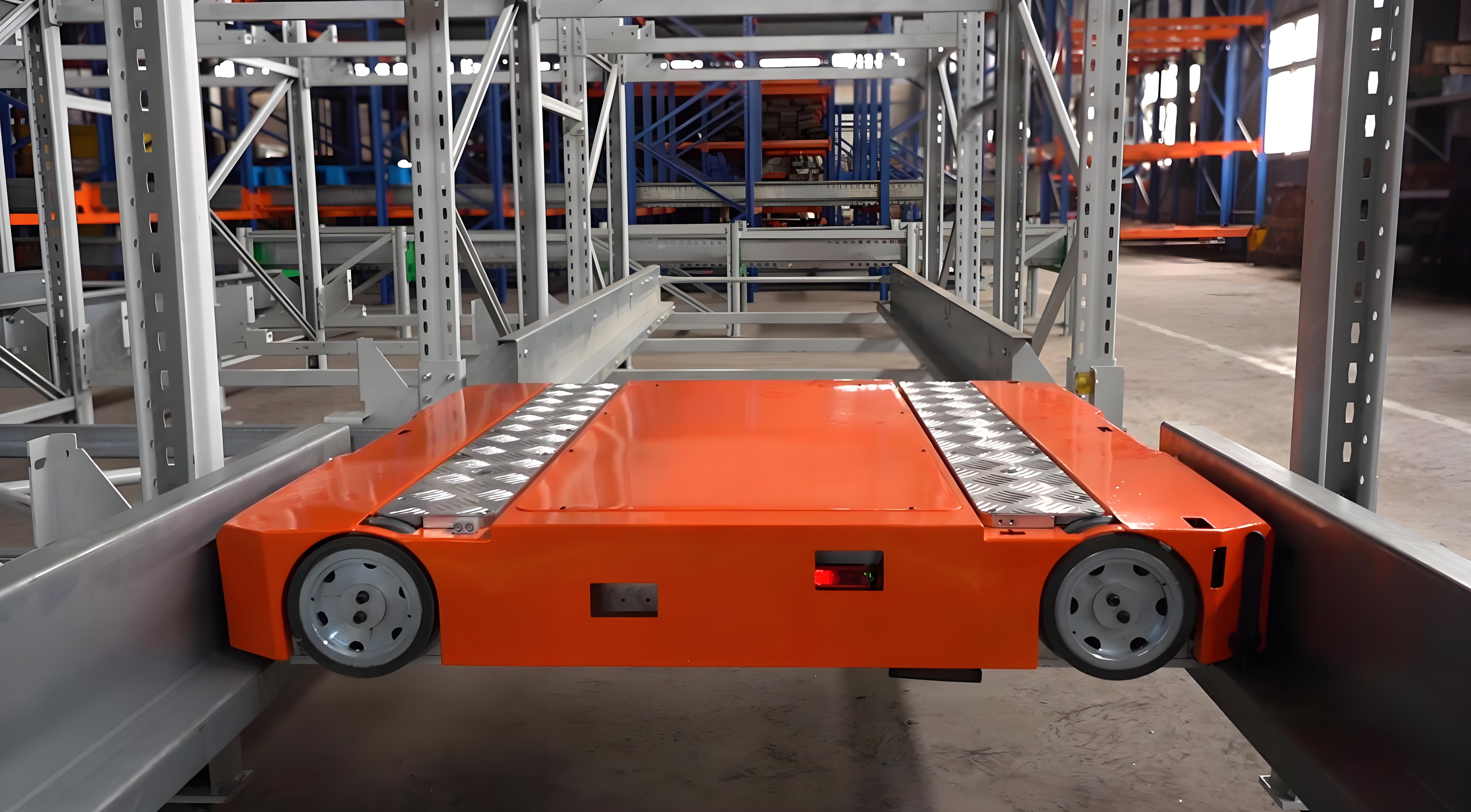

Integrated Warehouse Rack Project in Morocco | Rack Supported Warehouse
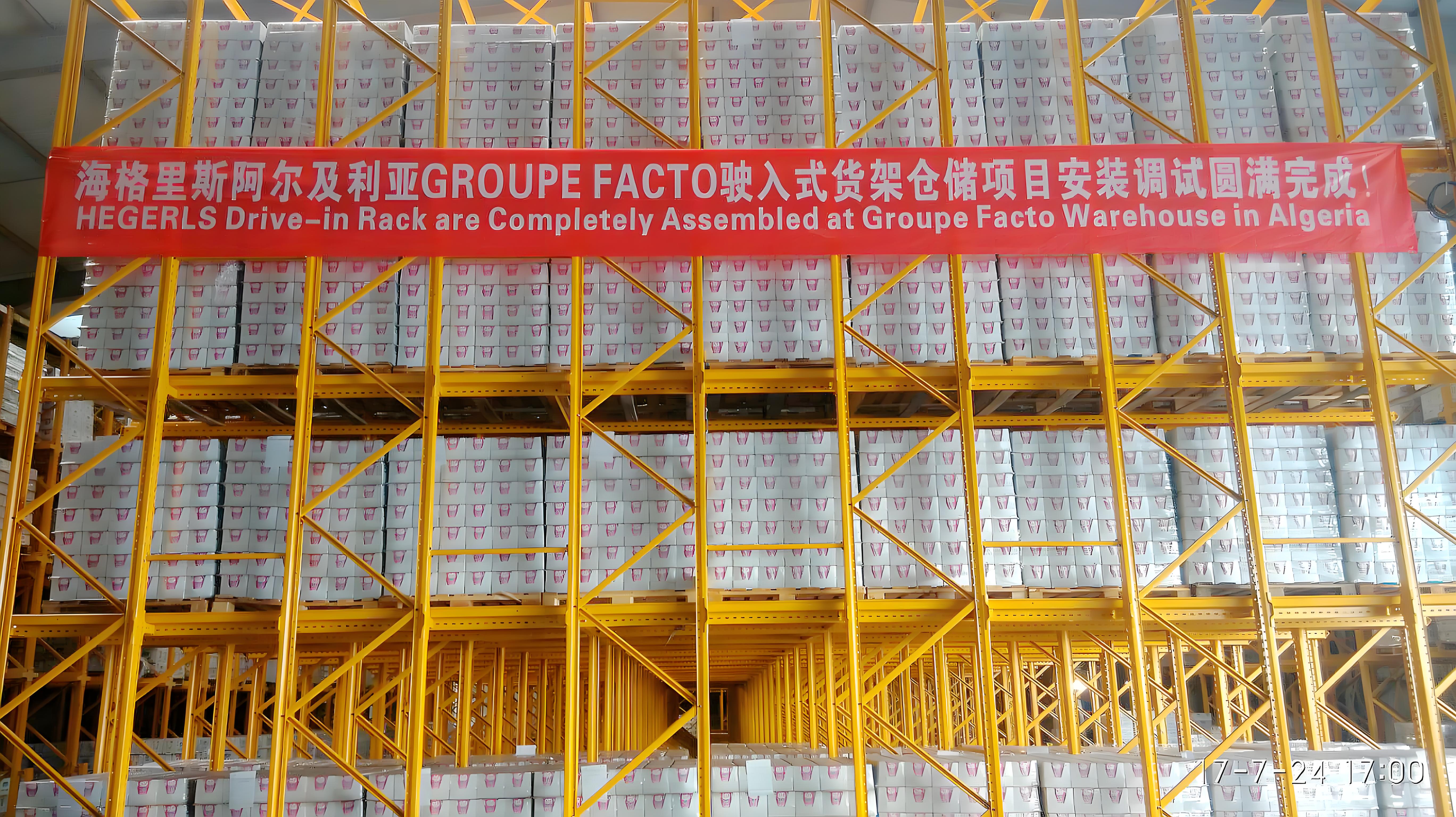
Algeria FACTO Group Storage Project
Related Products

MOBILE: +86 133 1595 3337
E-mails: hgls-wm@hbgysw.com
Office: Room 1118, Building No.6, Tatan Mall, Tatong Street, Shijiazhuang, China
Production base: 68 Shidai Road,Xinhe Industrial Park,Hebei Province
Website: https://www.woke-hercules.com



All rights reserved©2025 Hebei Woke Metal Products Co., ltd.