

-
SOLUTIONSIn recent years, “Hegerls" HD shuttle storage system have improved, upgraded, more intelligent, flexible, and more systematic, which can meet the different needs of customers in various industries.
 SERVICE
 -
-
R & DObtained more than ten national patents for automated logistics warehousing equipment such as shuttle cars, stackers, and mobile shelves, awarded SGS, BV, and TUV international product quality inspection agency certificates, as well as the "Quality, Environment, Health" ISO three major system certification certificates.
SERVICE
-
PROJECTSAfter Haigelis entered the international market in 2011, it exported supermarket equipment, warehousing equipment, and related supporting products to countries and regions such as North America, South America, Europe, Southeast Asia, and Africa. In recent years, the company has increased its efforts in the research and development of automated warehousing equipment.
SERVICE
-
BlogProfessional articles, guides, and insights on warehouse racking and automated storage systems.
SERVICE
-
HEGERLSIt's developed over 20 years, our company has become a one-stop integrated service provider of warehousing and logistics, integrating warehousing and logistics project design...
SERVICE

APPLICATION
Green Logistics and Low-Carbon Strategies in Automated Warehousing
Classification:
Industry Info
Release time:
2026-05-22
The Importance of Green Logistics in Modern Warehousing
Global supply chains are increasingly focused on sustainability. According to the International Energy Agency (IEA), logistics contributes roughly 8–10% of global CO₂ emissions, with warehousing representing about 20% of this share.
Green logistics in warehouses is not just environmentally responsible—it also reduces operational costs, improves space utilization, and enhances supply chain resilience.
Key strategies include:
- Energy-efficient warehouse layouts
- High-density automated storage
- Smart material handling systems
- Integration with renewable energy
HEGERLS Advantage: Four-way shuttles, integrated racking, and ASRS reduce unnecessary movements and optimize energy usage, enabling low-carbon operations without sacrificing throughput.
Key Automated Technologies Enhancing Low-Carbon Warehousing
Automated warehousing technologies not only improve operational efficiency but also play a crucial role in reducing energy consumption and carbon footprint. Below is a detailed breakdown of technologies that contribute to low-carbon, energy-saving warehouse operations.
1. Four-Way Shuttle Systems
- Description: Compact shuttles that move horizontally and vertically within racking aisles, supporting dense storage and rapid picking.
- Energy Efficiency: By optimizing aisle space and reducing travel distances, energy usage per pallet can be reduced by 40–50% compared to manual handling.
- Operational Benefit: Supports simultaneous multi-vehicle operation, with speeds up to 2 m/s, handling peak-season demand without additional labor.
Case Example: A HEGERLS four-way shuttle system deployed in a cold storage warehouse reduced energy consumption by 50% while maintaining 99% inventory accuracy.

2. Integrated Racking
- Description: Combines storage racks and buildings into one system, maximizing space utilization and minimizing unused areas.
- Energy Efficiency: Reduces lighting and HVAC energy per pallet due to smaller aisle space and higher density.
- Operational Benefit: Compatible with shuttles and ASRS for seamless automated operations.
Data Reference: In a 2024 survey of automated warehouses, integrated racking reduced energy use for lighting and climate control by 20–35%.

3. Automated Storage and Retrieval Systems (ASRS)
- Description: Vertical storage systems with automated cranes or lifts, capable of storing and retrieving pallets with high speed and accuracy.
- Energy Efficiency: By concentrating storage vertically, ASRS reduces floor space and associated heating/cooling energy by 35–50%.
- Operational Benefit: Inventory accuracy can exceed 99%, reducing energy waste caused by mispicks and unnecessary handling.
HEGERLS Advantage: CC-WMS integration allows predictive scheduling of ASRS operations, minimizing idle energy consumption.
4. Automated Guided Vehicles (AGVs) & Autonomous Mobile Robots (AMRs)
- Description: Battery-powered vehicles for transporting goods across the warehouse without human intervention.
- Energy Efficiency: Use brushless motors and energy recovery braking to reduce electricity usage by up to 30% compared to conventional forklifts.
- Operational Benefit: Reduces manual labor, improves safety, and allows flexible routing to reduce congestion.
Real Example: Amazon Robotics uses AMRs in fulfillment centers, reportedly reducing energy per pick by ~25% compared to conventional forklifts. HEGERLS AMR-compatible solutions achieve similar efficiency in high-density warehouses.
5. Smart Conveyor Systems
- Description: Automated conveyors that move pallets or cartons with sensors and dynamic speed control.
- Energy Efficiency: Variable frequency drives and sensor-based activation reduce idle energy consumption. Energy reduction of 15–25% compared to traditional continuous conveyors is typical.
- Operational Benefit: Smooth integration with WMS or CC-WMS enables scheduling conveyors only when needed, lowering energy consumption further.
6. LED and Smart Lighting Systems
- Description: Motion-sensor LEDs, dimmable lights, and zone-specific illumination reduce unnecessary electricity consumption.
- Energy Efficiency: Lighting can be reduced by 50–70% in warehouses using motion-sensor LED zones.
- Operational Benefit: Reduces heat output, indirectly lowering HVAC load, further saving energy.
HEGERLS Example: Integrated smart lighting in a HEGERLS automated warehouse reduced overall energy for lighting by 63% while maintaining optimal visibility for maintenance and safety.
7. Smart HVAC and Climate Control Systems
- Description: Automated heating, ventilation, and cooling systems that adjust temperature and airflow based on real-time sensor data.
- Energy Efficiency: Zone-specific climate control reduces energy consumption by 30–40%, especially in cold storage warehouses.
- Operational Benefit: Maintains consistent temperature for perishable goods without overcooling or overheating areas of low activity.
8. Warehouse Energy Management Software & IoT Integration
- Description: Systems that monitor energy usage across automated devices (shuttles, ASRS, conveyors) and facility utilities (lighting, HVAC).
- Energy Efficiency: Predictive analytics can reduce idle energy by 15–20% through optimized scheduling.
- Operational Benefit: Integrates with WMS/CC-WMS to synchronize warehouse operations and energy consumption.
HEGERLS Advantage: CC-WMS provides a real-time dashboard, giving warehouse managers visibility into energy hotspots and enabling dynamic energy-saving strategies.

Summary Table: Energy Saving Potential of Key Technologies
| Technology | Typical Energy Reduction | Operational Advantage | HEGERLS Implementation |
|---|---|---|---|
| Four-way Shuttle | 40–50% | Faster picking, flexible peak handling | Yes |
| Integrated Racking | 20–35% | Higher density, reduced lighting/HVAC | Yes |
| ASRS | 35–50% | >99% inventory accuracy | Yes |
| AMRs / AGVs | 25–30% | Labor reduction, flexible routing | Compatible |
| Smart Conveyor | 15–25% | Reduced idle energy | Yes |
| LED & Smart Lighting | 50–70% | Lower HVAC load | Yes |
| Smart HVAC | 30–40% | Zone-specific climate control | Compatible |
| Energy Management Software | 15–20% | Predictive energy optimization | CC-WMS |
Takeaway:
Implementing a combination of four-way shuttles, integrated racking, ASRS, AMRs, smart conveyors, and IoT-based energy management creates a warehouse that is not only highly efficient but also low-carbon and energy-saving. HEGERLS solutions integrate all these technologies to provide scalable, sustainable, and resilient warehouse operations.
HEGERLS Automated Warehousing: Mitigating Global Disruptions
HEGERLS systems not only reduce carbon footprint but also improve supply chain resilience, critical during events like pandemics, transport delays, or geopolitical disruptions.
Real-World Examples:
- Cold Storage Facility: Energy consumption cut 50%, CO₂ down 45%, labor reduced 65%.
- E-commerce Distribution Center: Peak throughput increased 3×, energy usage reduced 40%.
- Manufacturing Spare Parts Warehouse: Storage efficiency improved 150%, electricity use down 35–50%.
HEGERLS Advantage: Scalable, modular systems allow warehouses to adapt to fluctuating demand while maintaining low energy consumption.
Benefits of Low-Carbon Automated Warehousing
Low-carbon automated warehousing delivers environmental, operational, and financial benefits. By integrating four-way shuttles, ASRS, integrated racking, and CC-WMS, warehouses can achieve measurable reductions in energy consumption, CO₂ emissions, and operational costs.
1. Energy and Carbon Savings
- Automated systems reduce unnecessary movement of goods, leading to 40–60% lower energy consumption compared to conventional warehouses.
- High-density storage and vertical ASRS reduce floor space requirements, lowering heating, ventilation, and air-conditioning (HVAC) loads by up to 35%.
- LED and motion-sensor lighting further cuts electricity usage, sometimes by 50–70%.
Energy & CO₂ Reduction Table
| Technology | Energy Reduction | CO₂ Reduction | Notes |
|---|---|---|---|
| Four-way Shuttle | 40–50% | 35–40% | Optimizes travel paths |
| Integrated Racking | 20–35% | 20–25% | Denser storage reduces lighting/HVAC |
| ASRS | 35–50% | 30–40% | Vertical storage reduces footprint |
| Smart Lighting | 50–70% | 40–50% | Motion-sensor LEDs |
| Smart HVAC | 30–40% | 25–35% | Zone-specific control |
HEGERLS Advantage: Deploying HEGERLS four-way shuttles and integrated racking can reduce energy consumption per pallet by up to 50%, supporting ESG and low-carbon goals.

2. Operational Efficiency
- Automated retrieval reduces manual labor by up to 70%, lowering operational costs and increasing throughput.
- High-density layouts enable 150–200% better space utilization.
- WMS integration ensures accurate inventory management, minimizing unnecessary handling.
3. Cost Reduction and ROI
- Reduced energy bills and labor costs shorten ROI periods to 3–5 years.
- Maintenance costs drop due to fewer human errors and standardized automated operations.
Real Example: A HEGERLS high-density automated warehouse for e-commerce reduced electricity by 40%, labor by 65%, and achieved inventory accuracy >99% within six months of deployment.
How to Plan Automated Warehousing for Low-Carbon Operations
Designing a low-carbon automated warehouse requires careful planning of layout, technology selection, and energy management systems.
Step 1: Conduct an Energy Audit
- Measure electricity consumption across lighting, HVAC, conveyors, and manual handling.
- Identify high-energy areas for automation.
Step 2: Select Energy-Efficient Automation
- Four-way shuttles for dense aisle storage and fast picking.
- Integrated racking for optimized space and reduced lighting needs.
- ASRS for vertical storage and efficient retrieval.
- Optional AMRs or AGVs for flexible intra-warehouse transport.
Step 3: Implement Smart Energy Management
- Use HEGERLS CC-WMS or similar systems to monitor real-time energy usage and optimize device scheduling.
- Predictive alerts prevent idle energy waste.
Step 4: Incorporate Renewable Energy Sources
- Solar panels on warehouse rooftops
- Battery storage for peak load management
- Integration with local smart grids
Step 5: Continuous Improvement
- Monitor KPIs: energy consumption per pallet, CO₂ per unit, space utilization.
- Adjust pick paths, scheduling, and storage density dynamically.
Planning ROI Table
| Investment | Energy Savings | Payback Period | Added Benefit |
|---|---|---|---|
| Four-way Shuttle | 40–50% | 3–4 years | Faster picking & flexible peak handling |
| Integrated Racking | 20–35% | 2–3 years | Space utilization +150% |
| ASRS Vertical Storage | 35–50% | 4–5 years | Inventory accuracy >99% |
| Solar Panels + Batteries | 25–40% | 5–6 years | CO₂ reduction & ESG compliance |
HEGERLS Advantage: Modular design allows warehouses to expand without increasing energy consumption, maintaining low-carbon operations as demand grows.
Future Trends in Green Automated Warehousing
The landscape of automated warehousing is evolving rapidly, with low-carbon strategies being a key driver.
1. AI-Driven Energy Optimization
- Predictive algorithms schedule shuttles, conveyors, and ASRS lifts to minimize idle time.
- Anticipates peak workloads to balance energy demand and warehouse throughput.
2. IoT-Enabled Sensors and Monitoring
- Sensors track temperature, humidity, energy consumption, and machine performance.
- Real-time alerts prevent energy waste, optimize lighting/HVAC, and maintain product safety.
3. Collaborative Robots (AMRs)
- Low-power mobile robots reduce dependence on forklifts.
- Flexible routing adapts to seasonal fluctuations and reduces congestion.
4. Battery-Powered and Regenerative Vehicles
- Vehicles with regenerative braking capture energy during operations.
- Reduces total warehouse electricity consumption by up to 30%.
5. Circular Economy and Recyclable Infrastructure
- Use of recyclable steel for racking and sustainable construction materials.
- Optimized warehouse layouts minimize energy-intensive expansion.
6. Integration with Smart Grid and Renewable Energy
- Dynamic energy management synchronizes operations with off-peak solar and wind energy availability.
- HEGERLS systems can integrate solar and battery storage to further reduce carbon footprint.
Future Technology Impact Table
| Technology | Expected Energy Reduction | Operational Benefit | HEGERLS Integration |
|---|---|---|---|
| AI Energy Optimization | 15–25% | Dynamic scheduling & lower idle energy | Yes |
| IoT Sensor Networks | 10–20% | Real-time monitoring & predictive alerts | Yes |
| AMRs | 20–30% | Flexible routing & labor reduction | Compatible |
| Regenerative Vehicles | 25–30% | Energy recovery & peak reduction | Compatible |
| Renewable Energy Integration | 25–40% | CO₂ reduction & sustainability compliance | Yes |
HEGERLS Advantage: Combining these emerging technologies with CC-WMS allows warehouses to adapt in real-time, reduce emissions, and maintain high throughput, creating the next generation of green automated warehouses.
Why Choose HEGERLS
HEGERLS provides energy-efficient, low-carbon automated warehouse solutions, including:
- Four-way shuttles for high-density storage and rapid picking
- Integrated racking to optimize space and energy
- ASRS for vertical storage and reduced operational energy
- CC-WMS for intelligent energy management
- Renewable energy compatibility
Advantage: HEGERLS ensures high throughput, lower energy costs, and sustainable warehouse operations, helping companies achieve ESG goals and regulatory compliance.

FAQ: Green Logistics & Low-Carbon Automated Warehousing
1. What is a low-carbon warehouse?
A low-carbon warehouse is designed to minimize energy consumption and carbon emissions through automated systems, high-density storage, and intelligent energy management. By integrating four-way shuttles, ASRS, and CC-WMS, HEGERLS warehouses reduce energy consumption per pallet by up to 50%, achieving measurable carbon footprint reduction.
2. How does HEGERLS reduce energy usage?
Automated warehousing reduces manual handling, optimizes pick paths, and minimizes idle equipment use. This results in lower electricity consumption and decreased emissions. HEGERLS integrated racking and vertical storage optimize warehouse layouts, leading to up to 60% reduction in energy per pallet.
3. What are the benefits of green logistics?
Reduced labor dependency, higher throughput, improved space utilization, enhanced inventory accuracy, lower operating costs. HEGERLS four-way shuttles and CC-WMS optimize picking and storage operations, reducing manual labor by up to 70% while maintaining >99% inventory accuracy.
4. Is low-carbon automation cost-effective?
Yes. Although the initial investment may be higher than conventional warehouses, reduced energy, labor, and maintenance costs lead to ROI within 3–5 years. HEGERLS modular systems allow scalable automation, ensuring that expanding warehouses maintain energy efficiency and reduce long-term operational costs.
5. Can low-carbon warehouses handle high-density storage?
Absolutely. Automated systems like four-way shuttles, ASRS, and integrated racking maximize storage density while minimizing energy consumption. HEGERLS warehouse layouts improve space utilization by 150–200%, allowing high-density storage without increasing energy use.
6. How do warehouse management systems (WMS) contribute to green logistics?
A WMS or CC-WMS monitors inventory, workflow, and energy usage. Predictive analytics and real-time dashboards optimize equipment operation, reduce idle energy, and improve throughput. HEGERLS CC-WMS integrates with automated systems to dynamically schedule tasks, reducing energy waste by up to 50%.
Implement a Low-Carbon HEGERLS Warehouse Today
- Reduce energy consumption by up to 60%
- Increase storage density by up to 150%
- Achieve inventory accuracy >99%
- Seamlessly integrate with WMS, ERP, MES
Contact HEGERLS now for a free sustainability assessment and customized automated warehouse plan.
Key words:
Green Logistics,Low-Carbon Warehouse,Energy Saving,automated warehouse,warehouse automation
Related Cases
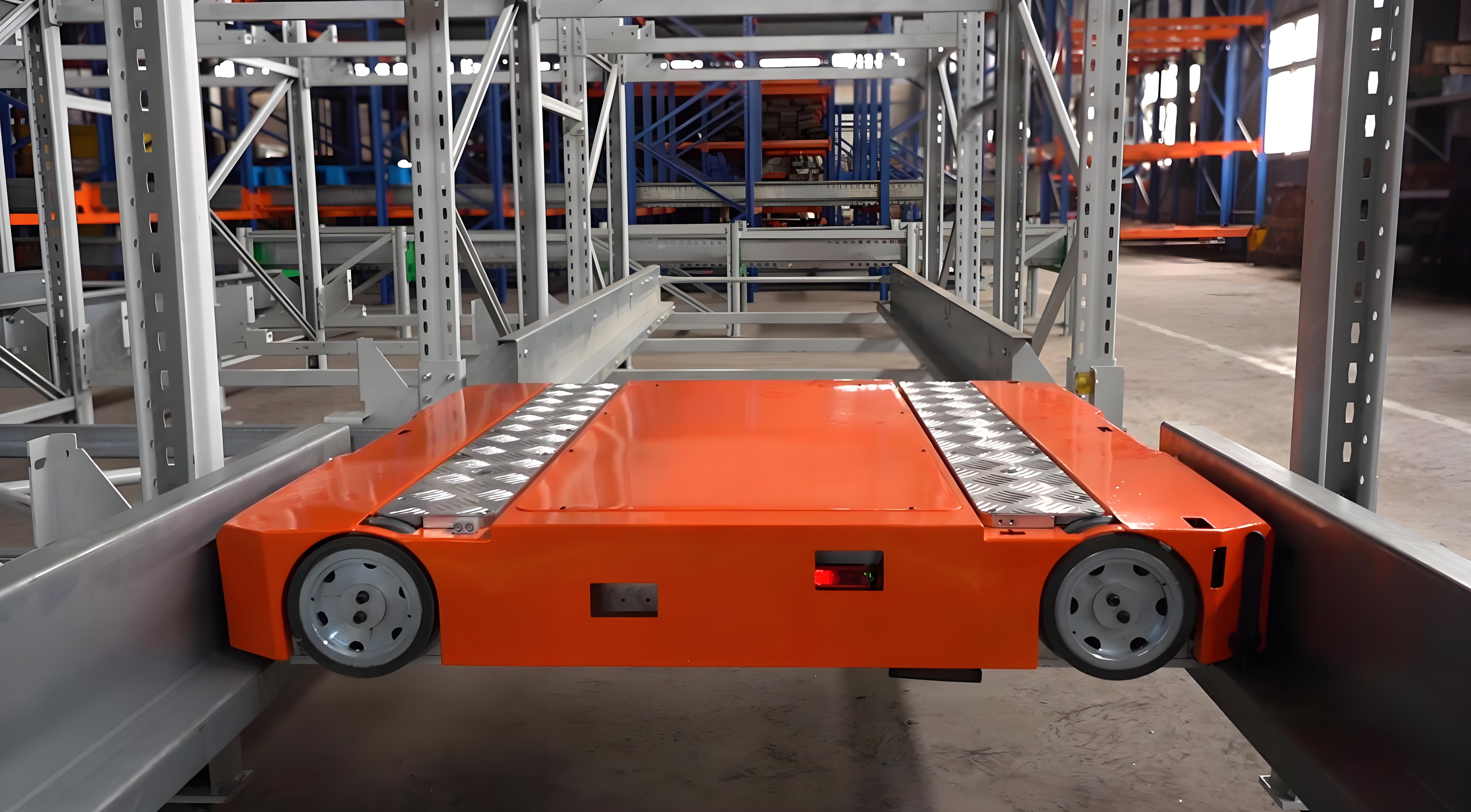

Integrated Warehouse Rack Project in Morocco | Rack Supported Warehouse
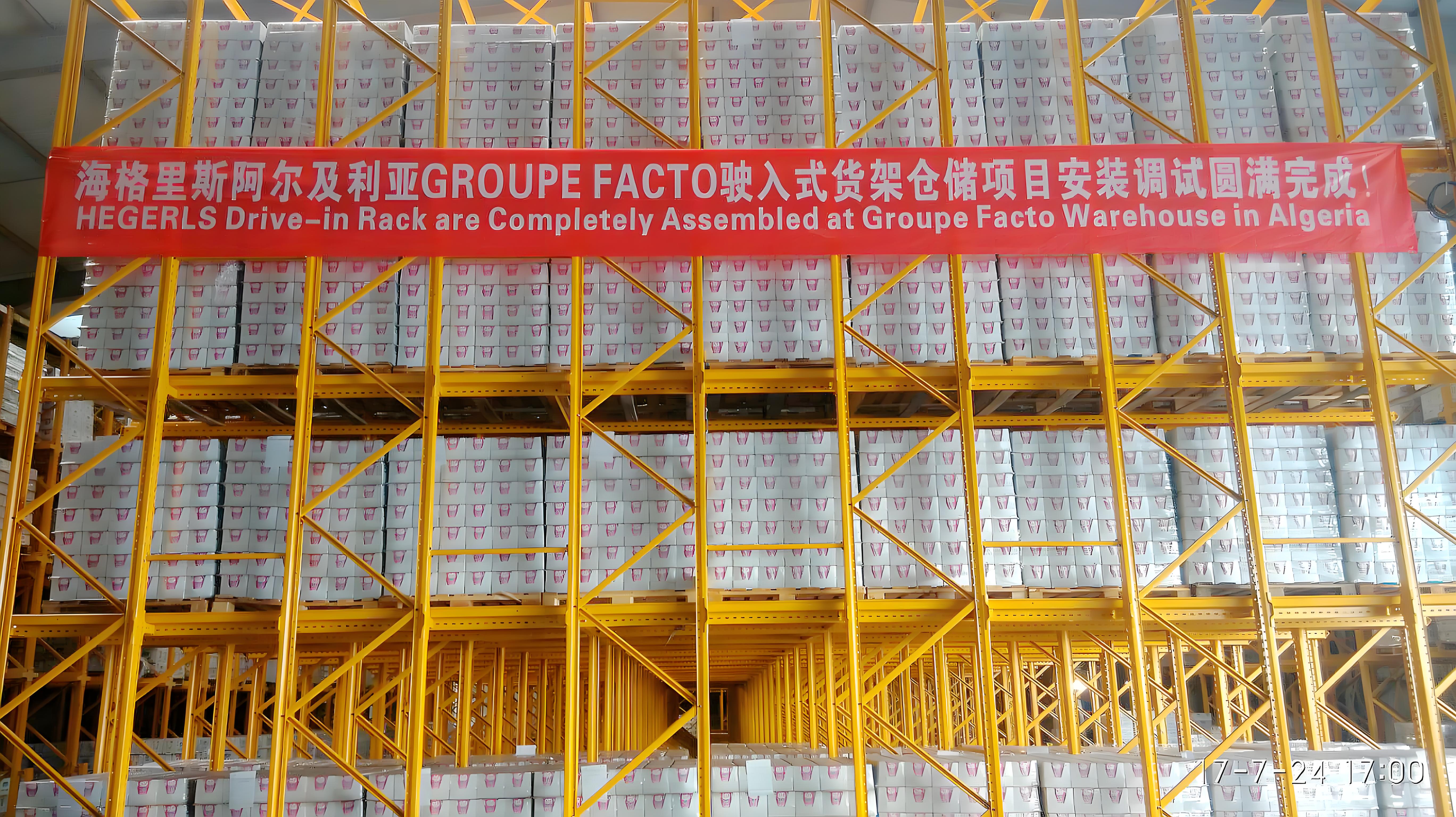
Algeria FACTO Group Storage Project
Related Products

MOBILE: +86 133 1595 3337
E-mails: hgls-wm@hbgysw.com
Office: Room 1118, Building No.6, Tatan Mall, Tatong Street, Shijiazhuang, China
Production base: 68 Shidai Road,Xinhe Industrial Park,Hebei Province
Website: https://www.woke-hercules.com



All rights reserved©2025 Hebei Woke Metal Products Co., ltd.